Overview
Bhutan measures success in ways that make economists uncomfortable and travellers curious. Tourism is deliberately capped by price rather than by quota: every visitor pays a Sustainable Development Fee for each night in the country, and that money funds free healthcare, free education and a constitutional requirement to keep at least sixty per cent of the land under forest.
The practical result is a country of about 800,000 people where the valleys are still farmed, the dzongs are still administrative centres rather than museums, and the trails are genuinely empty.
Trekking in Bhutan
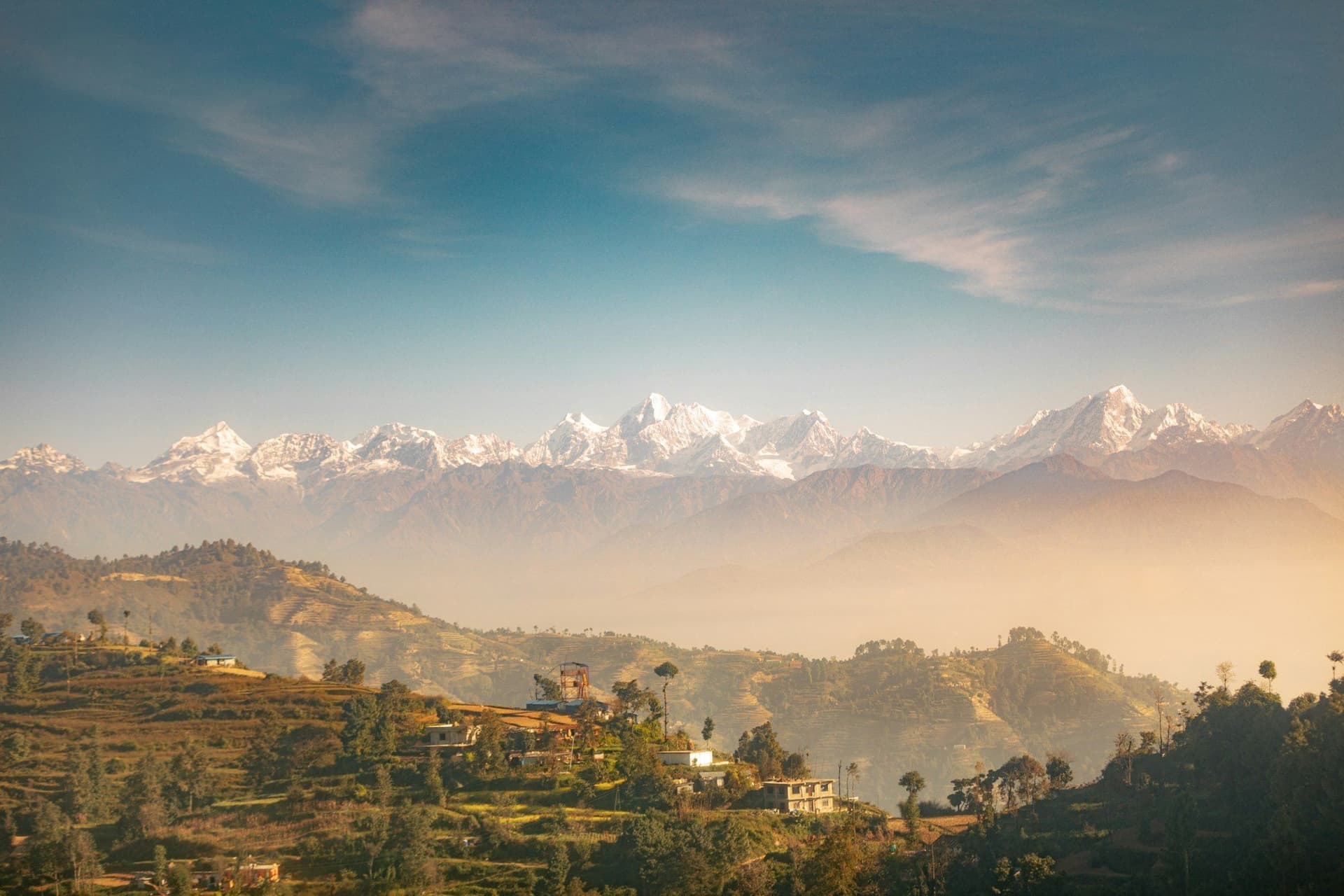
Bhutanese trekking is camping-based — there is no teahouse network — which makes it more expensive and more logistically involved than Nepal. The classic routes are the Druk Path (five days, Paro to Thimphu, moderate, reachable), the Jomolhari Trek (seven to nine days, high and cold, with the finest base-camp views in the country) and the Snowman Trek, one of the hardest commercial treks anywhere: twenty-five days, eleven passes above 4,500 m, and a completion rate that hovers around half.
When to go
March to May brings rhododendron, warm valleys and the spring festival season. September to November is drier and clearer, and holds the biggest tsechu festivals. Avoid the June–August monsoon in the south, and expect closed passes above 4,000 m from December to February.
Highlights
Things to do in Bhutan
- 01
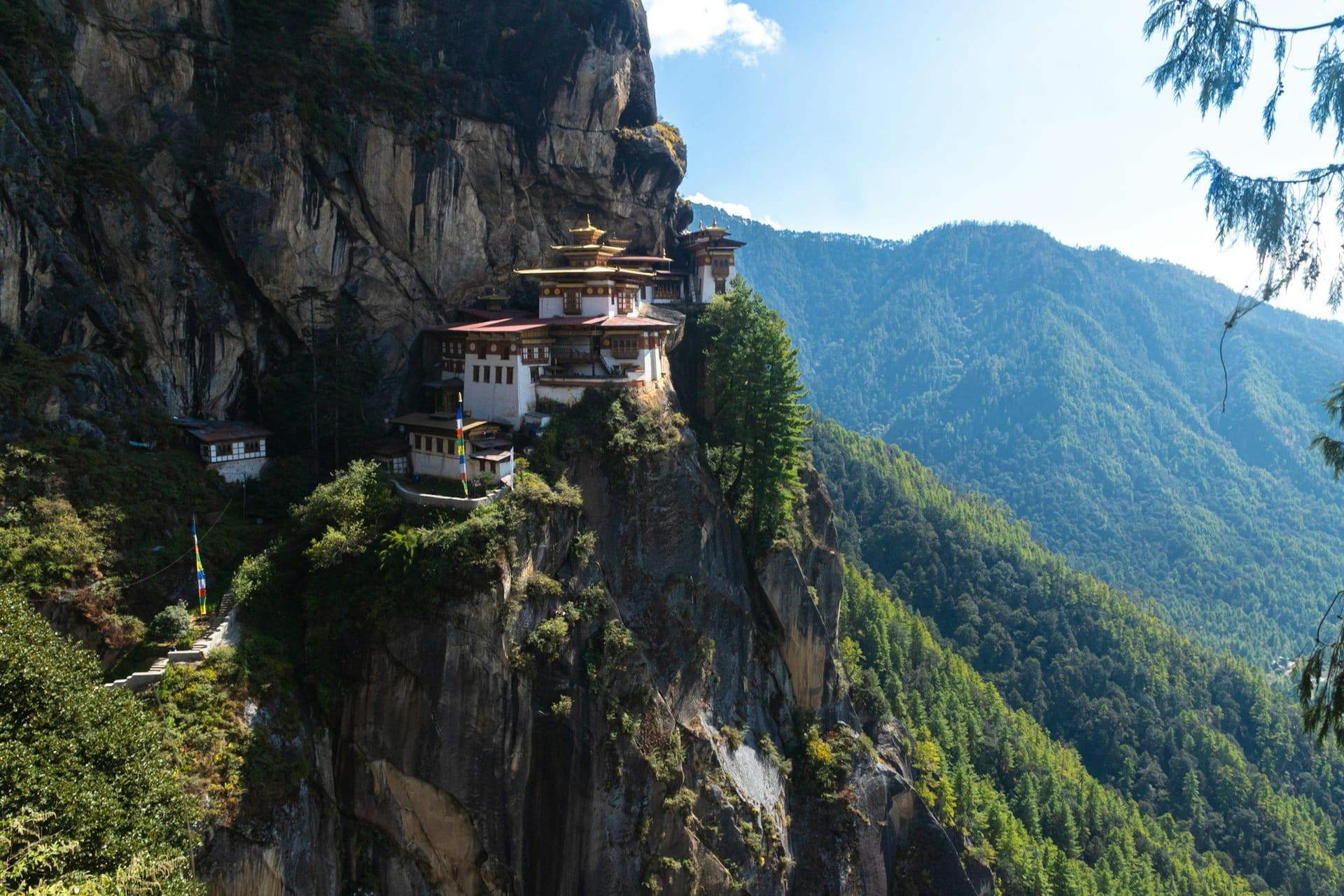
Taktsang (Tiger's Nest)
A monastery welded to a cliff 900 metres above the Paro valley. The walk up takes two to three hours and is the single most photographed thing in the country for good reason.
Paro
- 02
Punakha Dzong
The most beautiful fortress-monastery in Bhutan, set at the confluence of two rivers and best seen when the jacaranda is out in April.
Punakha
- 03
Walk part of the Trans Bhutan Trail
A restored 403 km pilgrimage and trade route reopened in 2022, walkable in day sections or as a multi-week thru-hike.
Practical information
Getting it right on the ground
Transportation
Drukair and Bhutan Airlines fly into Paro — a famously technical approach flown only in daylight. Internally, everything is by road with a licensed driver, included in your tour price.
Accommodation
Three-star hotels are the baseline and are included in package pricing. Amankora, Six Senses and Como operate at the luxury end. Farmhouse stays are the most interesting option in the valleys.
Costs
Budget the Sustainable Development Fee of US$100 per adult per night on top of ground costs; most trips work out at US$250–400 per person per day all-in.
Safety
Exceptionally safe. The main hazards are mountain roads and altitude on the high treks.
Weather
Spring and autumn are the reliable windows. The monsoon soaks the south from June to August; winter closes the high passes but leaves the western valleys clear and cold.
Map
Important locations
Frequently asked questions
Can you visit Bhutan independently?
Is Bhutan worth the cost?
About the author
The Atlas Editorial Team
Research & fact-checking
The Atlas editorial team maintains the structured route, permit and cost data behind every page on this site. Figures are checked against government permit offices, national park authorities and operators on the ground, and each page carries the date it was last reviewed.
Writes about: Route data · Permits and regulations · Trip costs