Overview
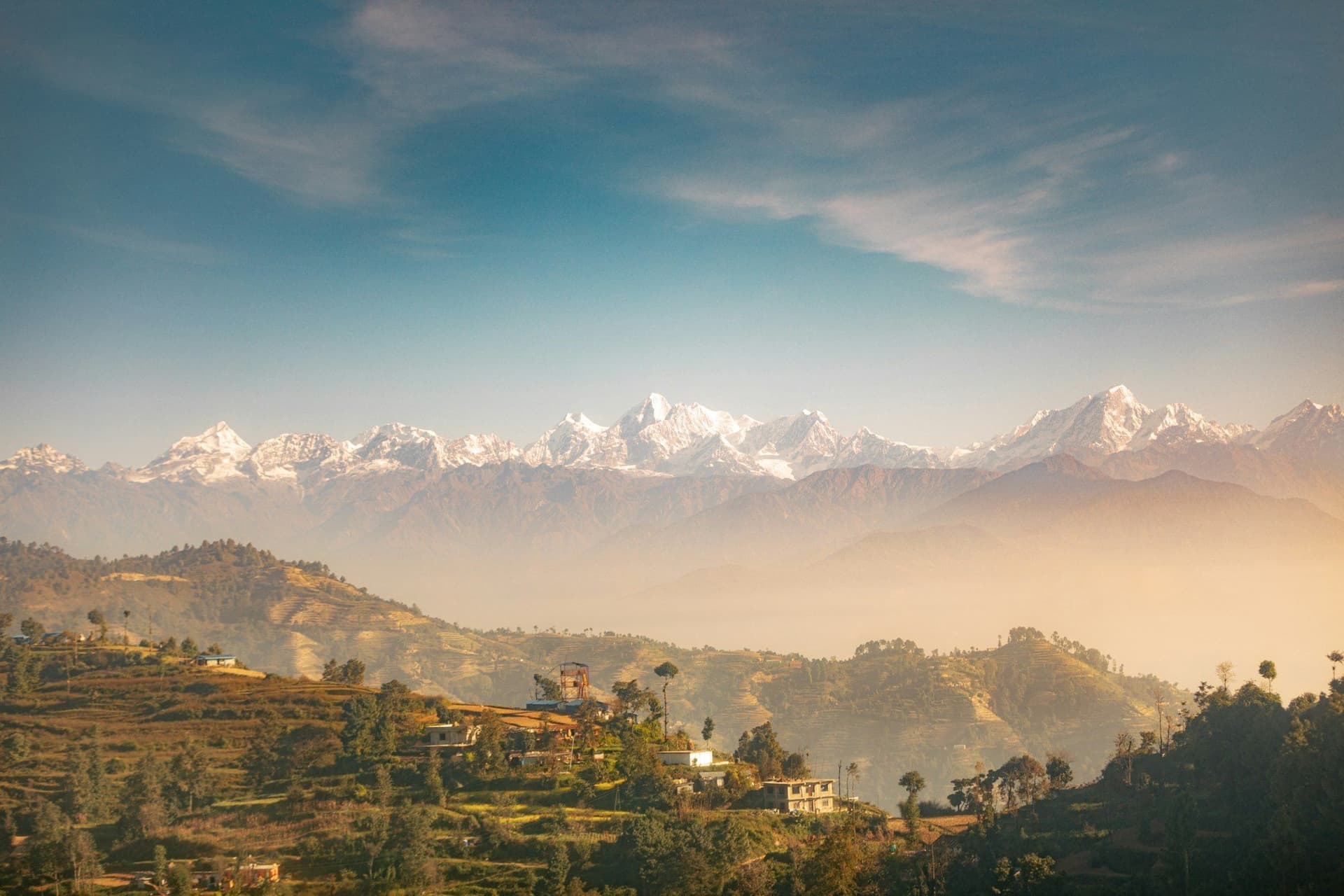
Nepal is 800 kilometres long and rarely more than 200 wide, and in that strip the land rises from 60 metres above sea level in the Terai to 8,849 metres at the summit of Everest. No other country compresses so much vertical range into so little horizontal distance, which is why a two-week walk here can take you from banana trees to permanent ice.
What makes Nepal exceptional for travellers is not only the mountains. It is the infrastructure that grew up around them. On the main routes you can walk for three weeks carrying nothing but clothes, a sleeping bag liner and a water filter, sleeping in family-run lodges and eating cooked meals every night. That system — the teahouse network — does not exist at this scale anywhere else on earth.
Where to go
Most first trips split between three places: Kathmandu for the temples and the logistics, Pokhara as the gateway to the Annapurnas, and one trekking region. Which region you choose shapes the whole trip.
The Everest region is the most dramatic and the most committing: you fly into a mountain airstrip, and the altitude profile is unforgiving. The Annapurna region is more varied and far easier to reach by road, with routes from four days to three weeks. Langtang is the closest big-mountain trekking to Kathmandu and still the quietest of the three. Manaslu is the serious walker's circuit — restricted, permitted, and much less trafficked.
When to go
Two windows dominate. October and November deliver the clearest skies of the year and the most stable weather; the trails are busy and the lodges full. March and April are warmer, hazier and greener, with rhododendron forests in flower below 3,500 m and a peak-climbing season in full swing.
December and January are perfectly viable below 4,000 m — cold at night, empty by day, and the mountain views are excellent. The monsoon from June to September closes most high routes with cloud, leeches and landslides, but opens the rain-shadow country north of the Himalaya: Upper Mustang and Dolpo are at their best precisely when everywhere else is unwalkable.
Getting in and around
Almost all visitors arrive at Tribhuvan International Airport in Kathmandu. Visas on arrival are straightforward: bring a passport photo, cash in a major currency, and expect a queue.
Internally, plan around two facts. Roads are slow — the 200 kilometres from Kathmandu to Pokhara take seven hours on a good day — and domestic flights are weather-dependent, especially into Lukla, where a day or two of delay is normal rather than exceptional. Build slack into any itinerary that ends with an international flight.
Highlights
Things to do in Nepal
- 01
Walk to Everest Base Camp
The classic two-week approach through the Khumbu, from the airstrip at Lukla to the moraine below the Khumbu Icefall.
Everest Region
- 02
Circle the Annapurna massif
A route that climbs from paddy fields and banana palms to the frozen scree of Thorong La at 5,416 m, crossing four climate zones on the way.
Annapurna Region
- 03
Kathmandu's durbar squares
Three royal squares within an hour of each other, each a dense working collection of Newar temple architecture.
Kathmandu
- 04
Sunrise over the Annapurnas from Sarangkot
A thirty-minute drive above Pokhara for the most accessible big-mountain dawn in the country.
Pokhara
- 05
Chitwan's grasslands
Greater one-horned rhino, gharial and — with real luck and real patience — tiger, in the lowland Terai.
Chitwan
Regions
Where to go in Nepal
Annapurna Region
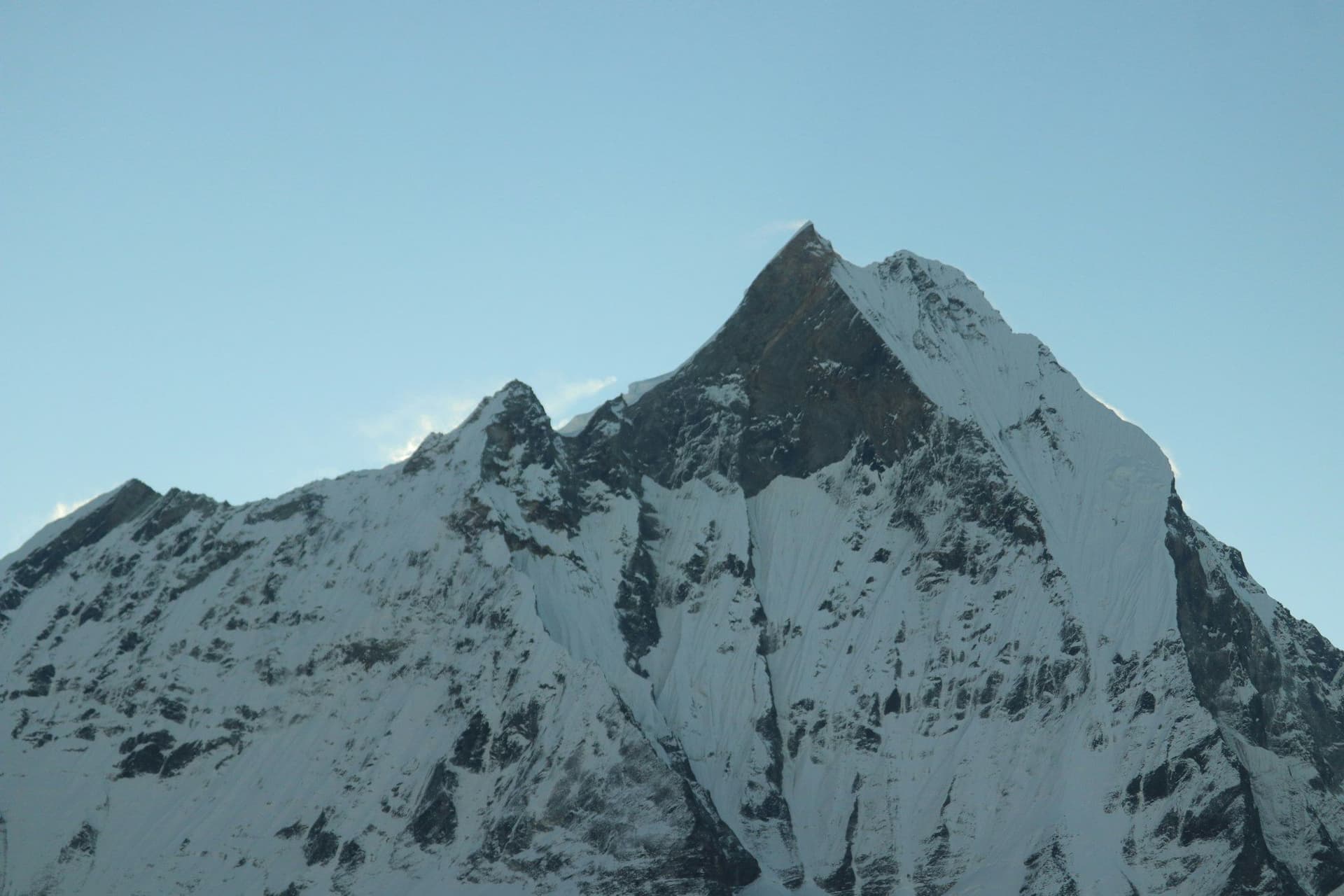
The Annapurnas offer everything from a four-day walk through rhododendron forest to a three-week circuit over a 5,416 metre pass — all reachable by road from Pokhara, with no mountain flight required.
Everest Region
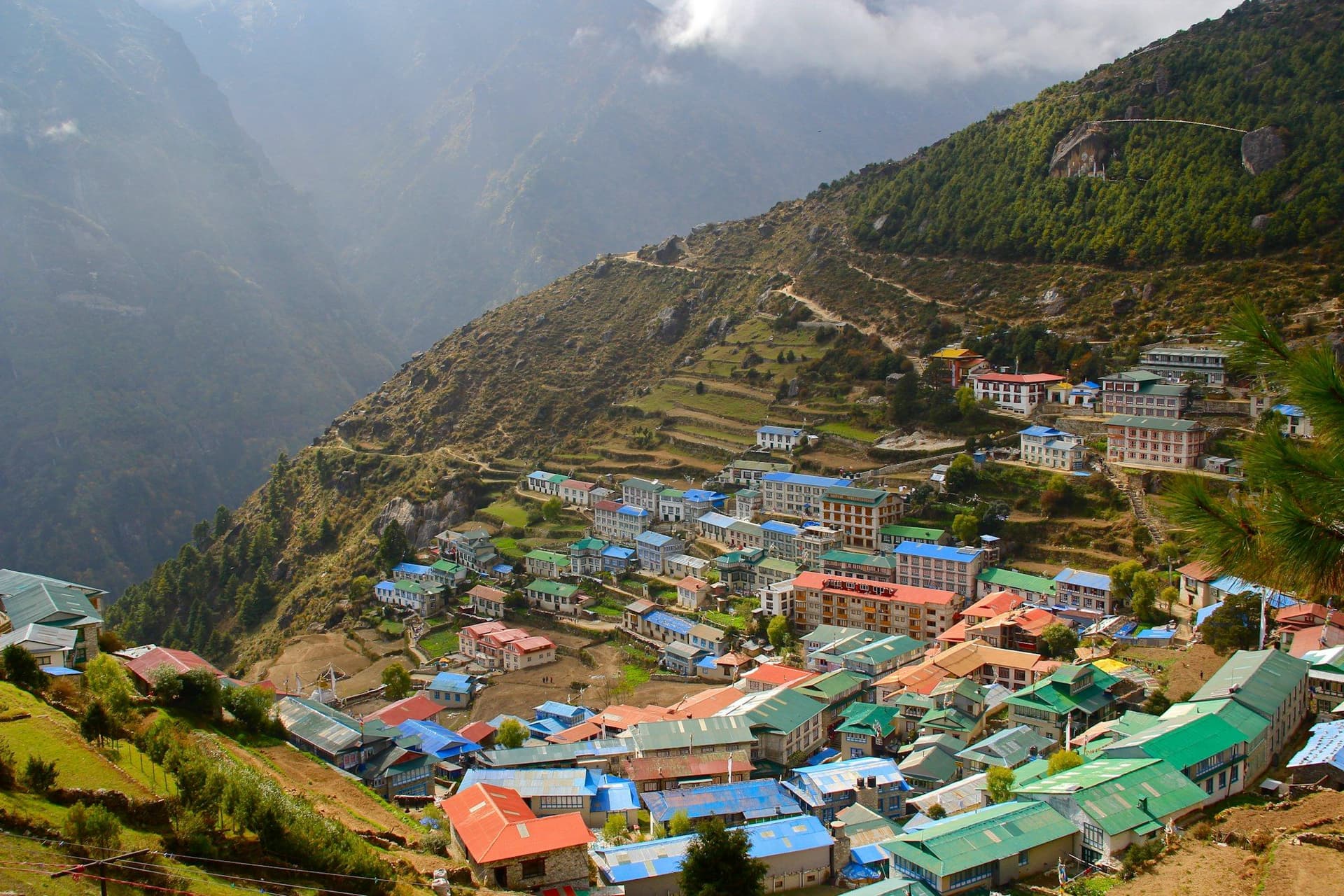
Everything in the Khumbu starts with the flight into Lukla and ends with the altitude. It holds the best-supported trekking infrastructure in Nepal and the least forgiving acclimatisation profile.
Kathmandu Valley
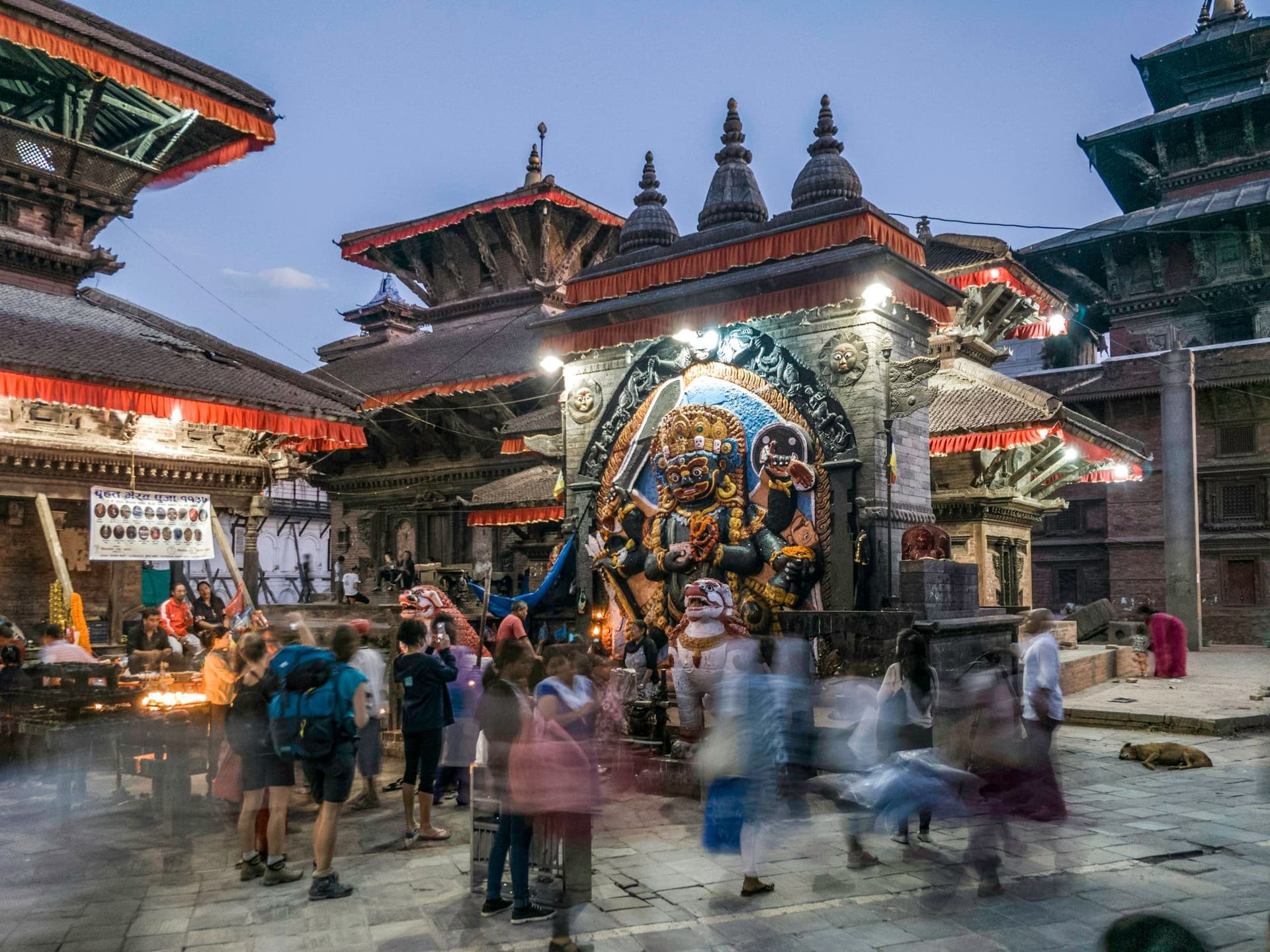
Almost every trip to Nepal starts and ends in the Kathmandu Valley. Give it more than the two nights most itineraries allow — Patan and Bhaktapur repay slow walking.
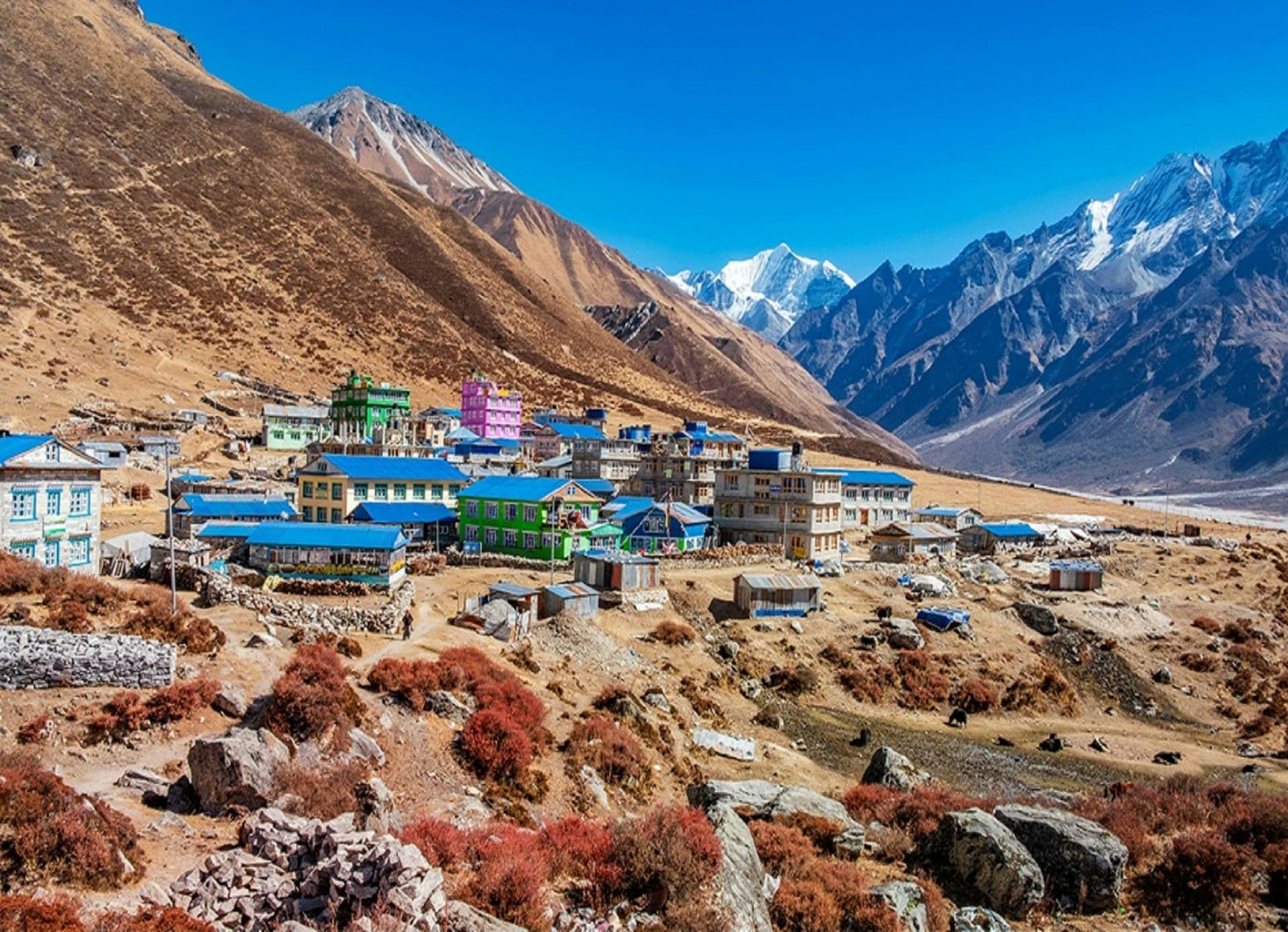
Langtang Region
Seven hours by road from Kathmandu, no mountain flight, and a valley that rebuilt itself after the 2015 earthquake. Langtang gives you glaciers and 4,900 metre viewpoints in a week.
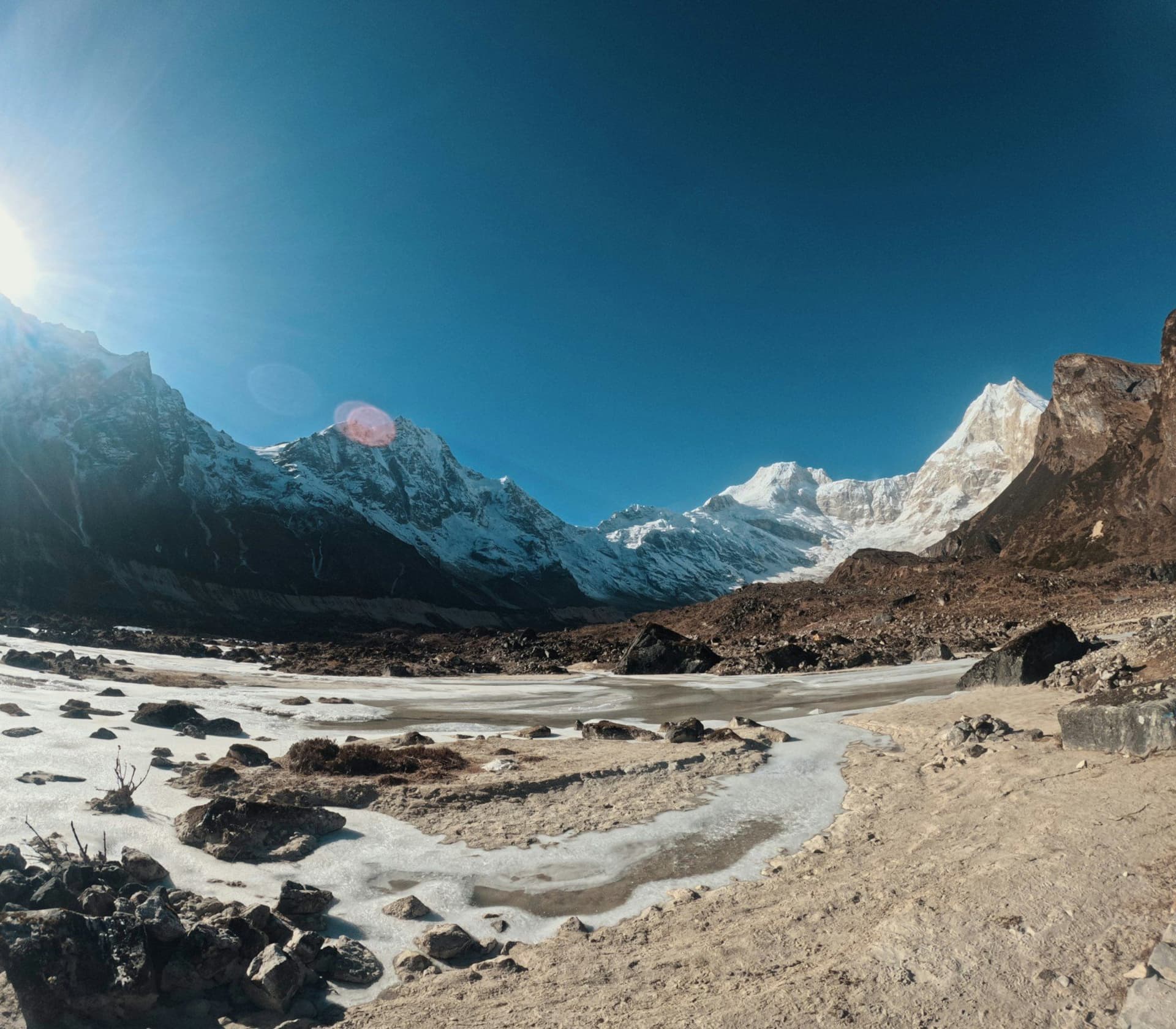
Manaslu Region
Manaslu is what the Annapurna Circuit was thirty years ago: a full circumnav igation, a 5,106 metre pass, Tibetan Buddhist villages, and a permit system that keeps the numbers down.
Trekking
Every trek in Nepal
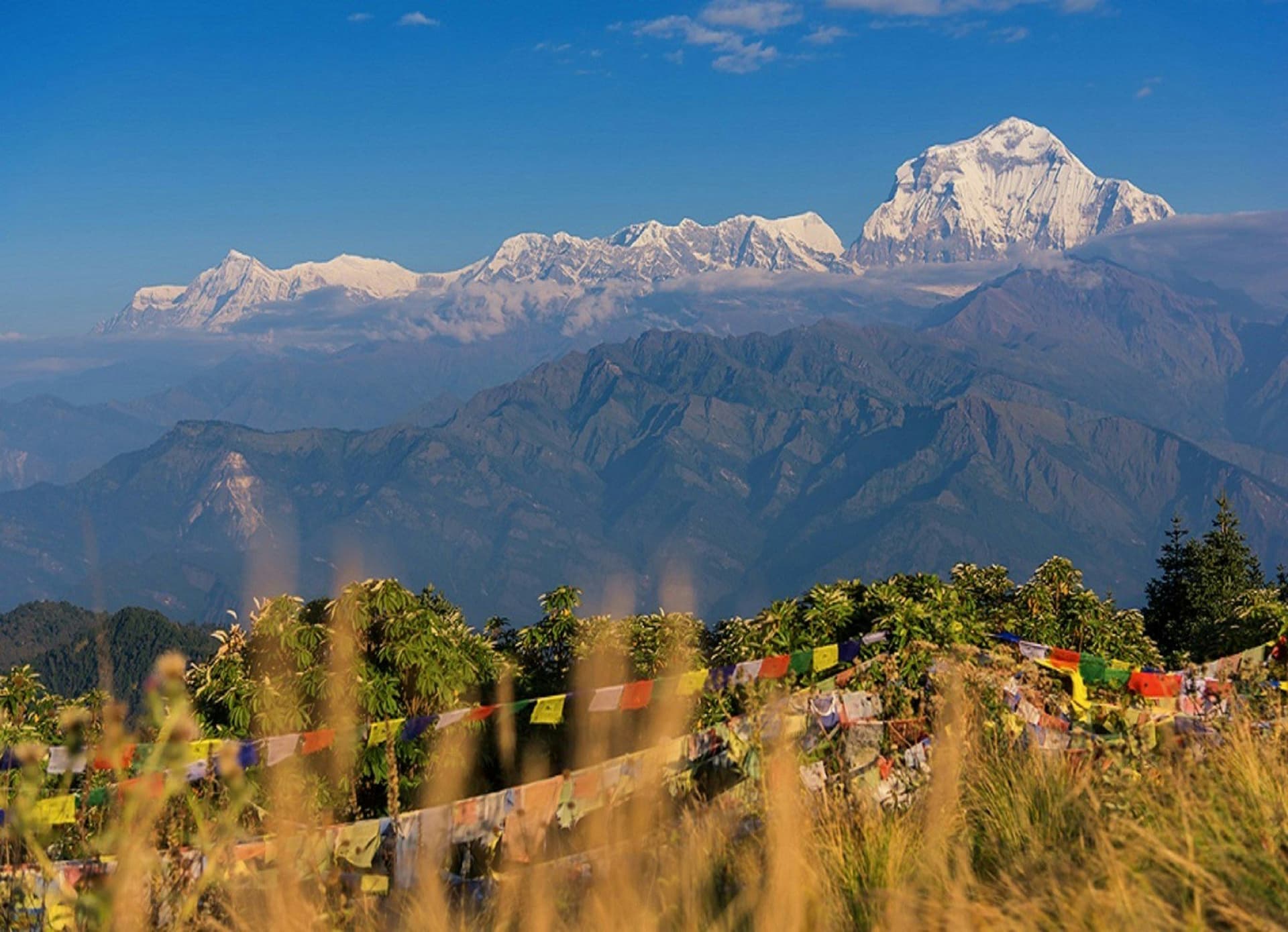
Annapurna Region
Poon Hill Trek
- Duration
- 4 days
- Difficulty
- Easy
- Max altitude
- 3,210 m
- Best season
- Feb–May · Oct–Dec
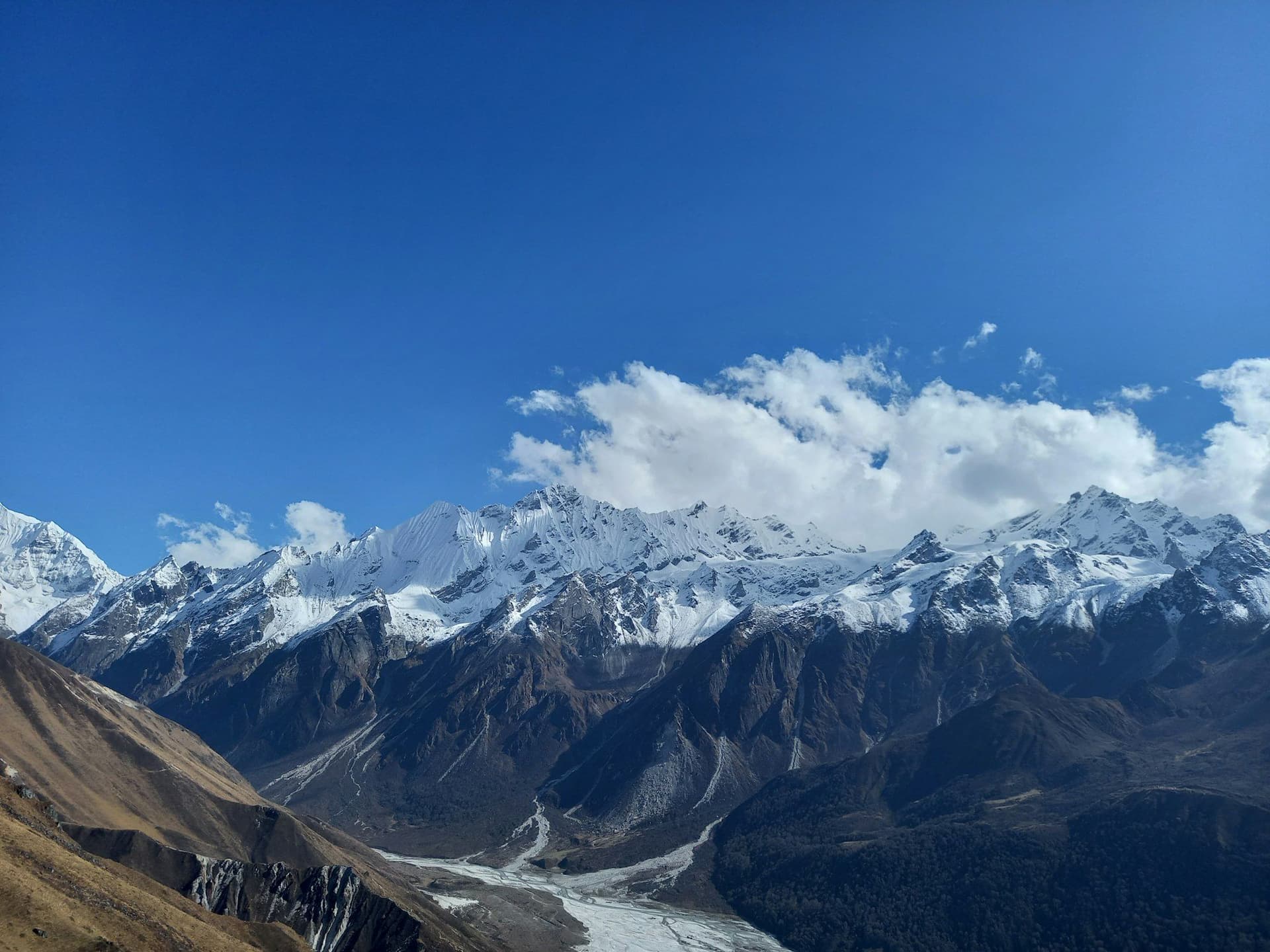
Langtang Region
Langtang Valley Trek
- Duration
- 7 days
- Difficulty
- Moderate
- Max altitude
- 4,984 m
- Best season
- Mar–May · Oct–Dec
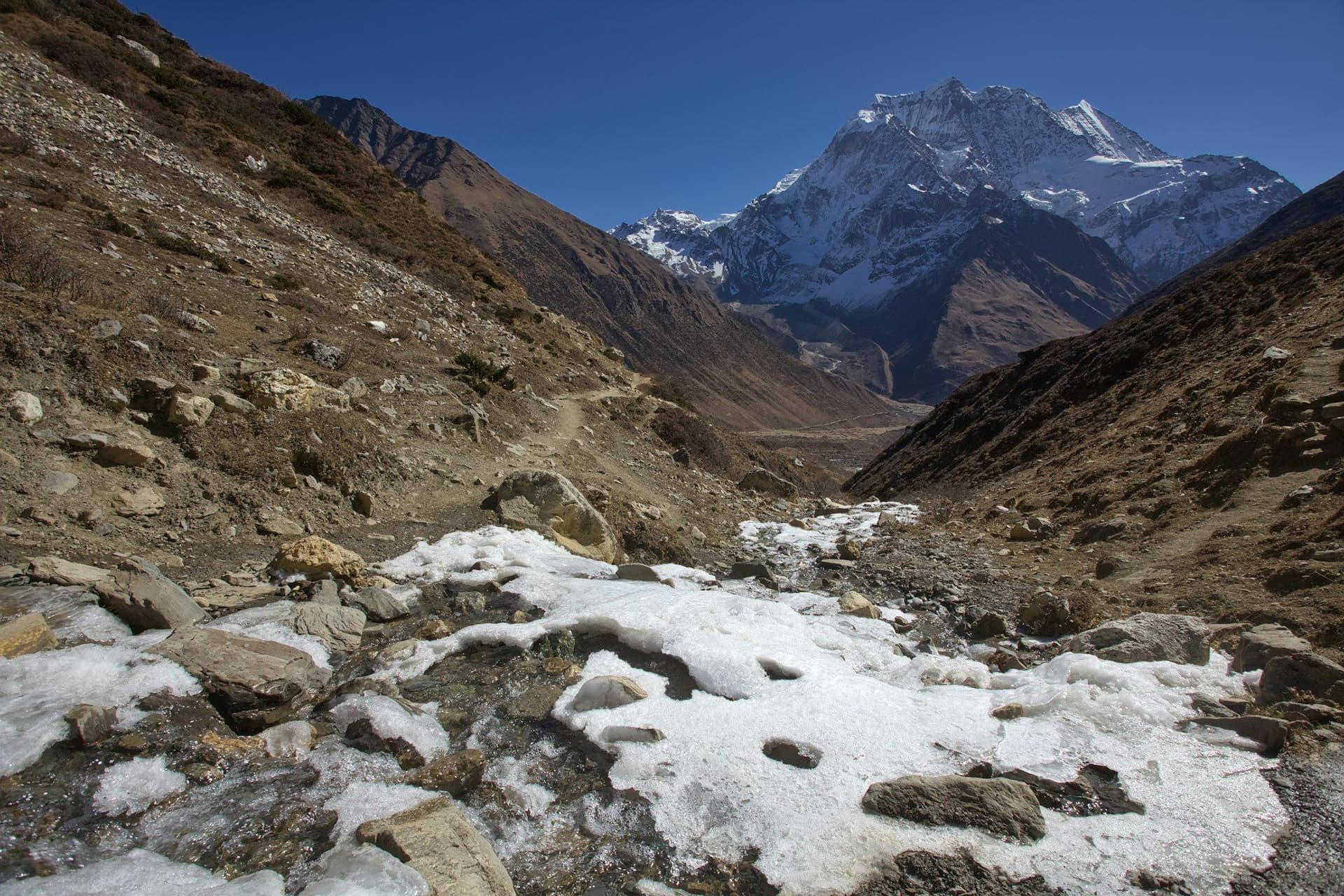
Manaslu Region
Manaslu Circuit Trek
- Duration
- 14 days
- Difficulty
- Challenging
- Max altitude
- 5,106 m
- Best season
- Mar–Apr · Oct–Nov
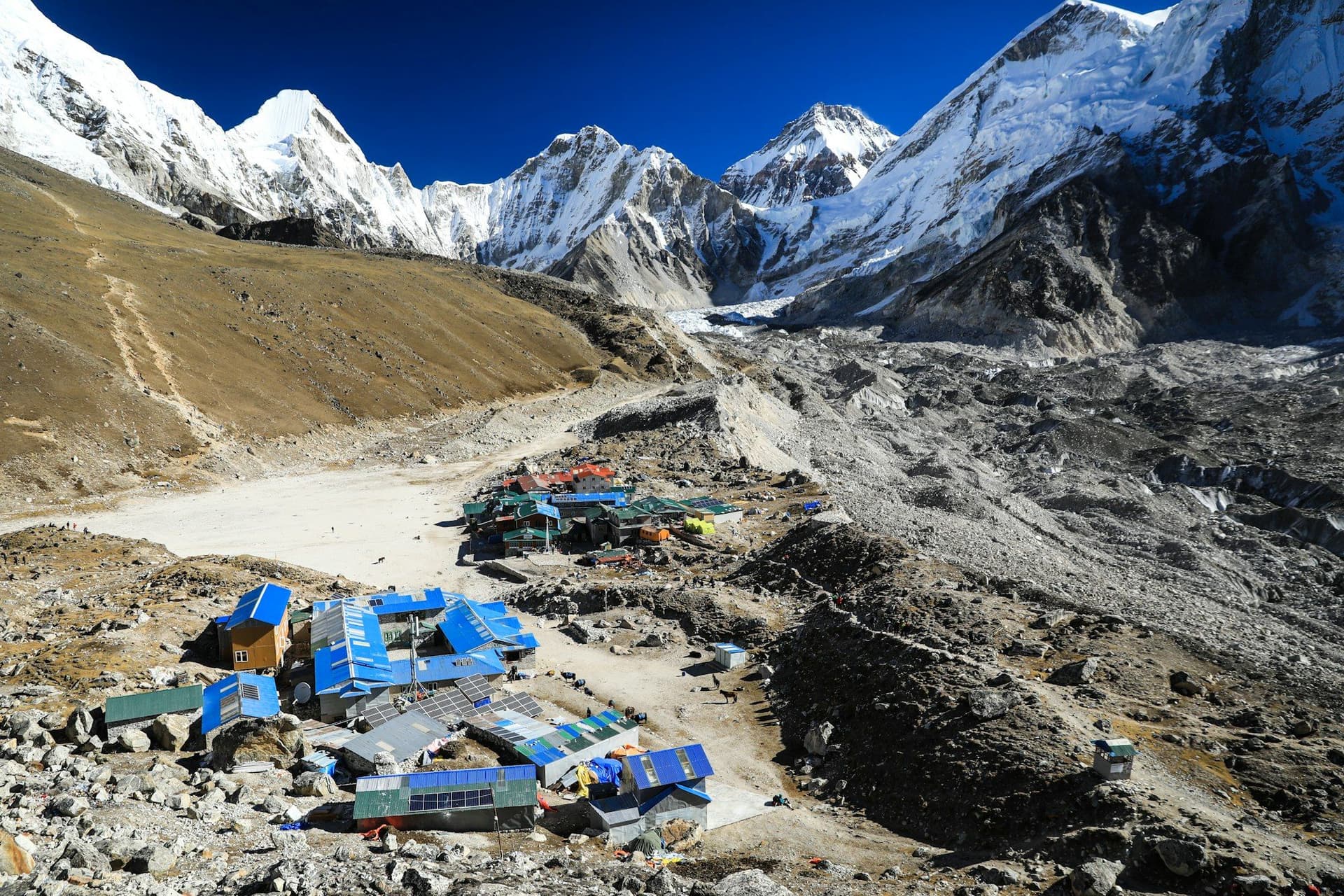
Everest Region
Everest Base Camp Trek
- Duration
- 14 days
- Difficulty
- Moderate
- Max altitude
- 5,545 m
- Best season
- Mar–May · Oct–Nov
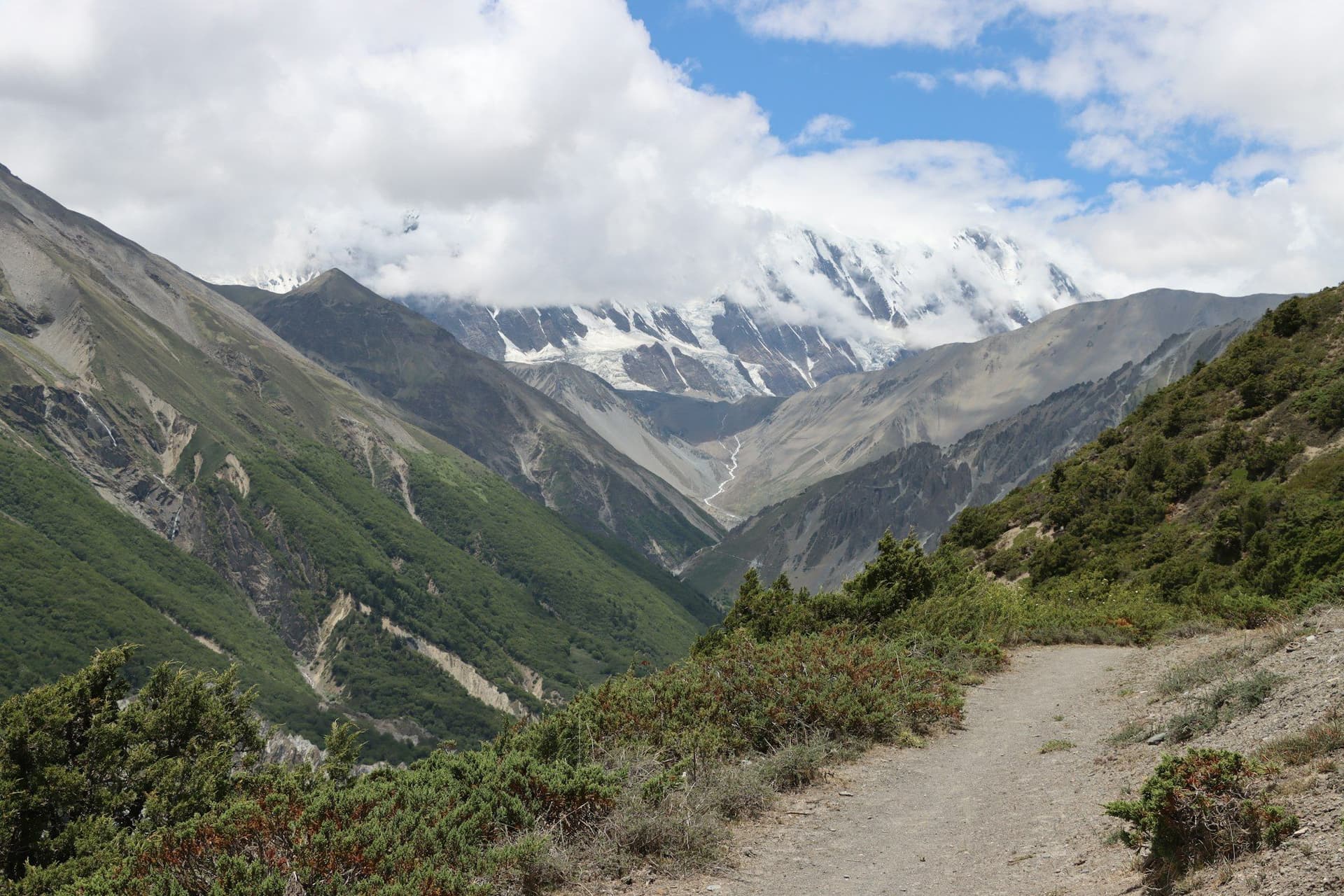
Annapurna Region
Annapurna Circuit
- Duration
- 16 days
- Difficulty
- Challenging
- Max altitude
- 5,416 m
- Best season
- Mar–May · Oct–Nov
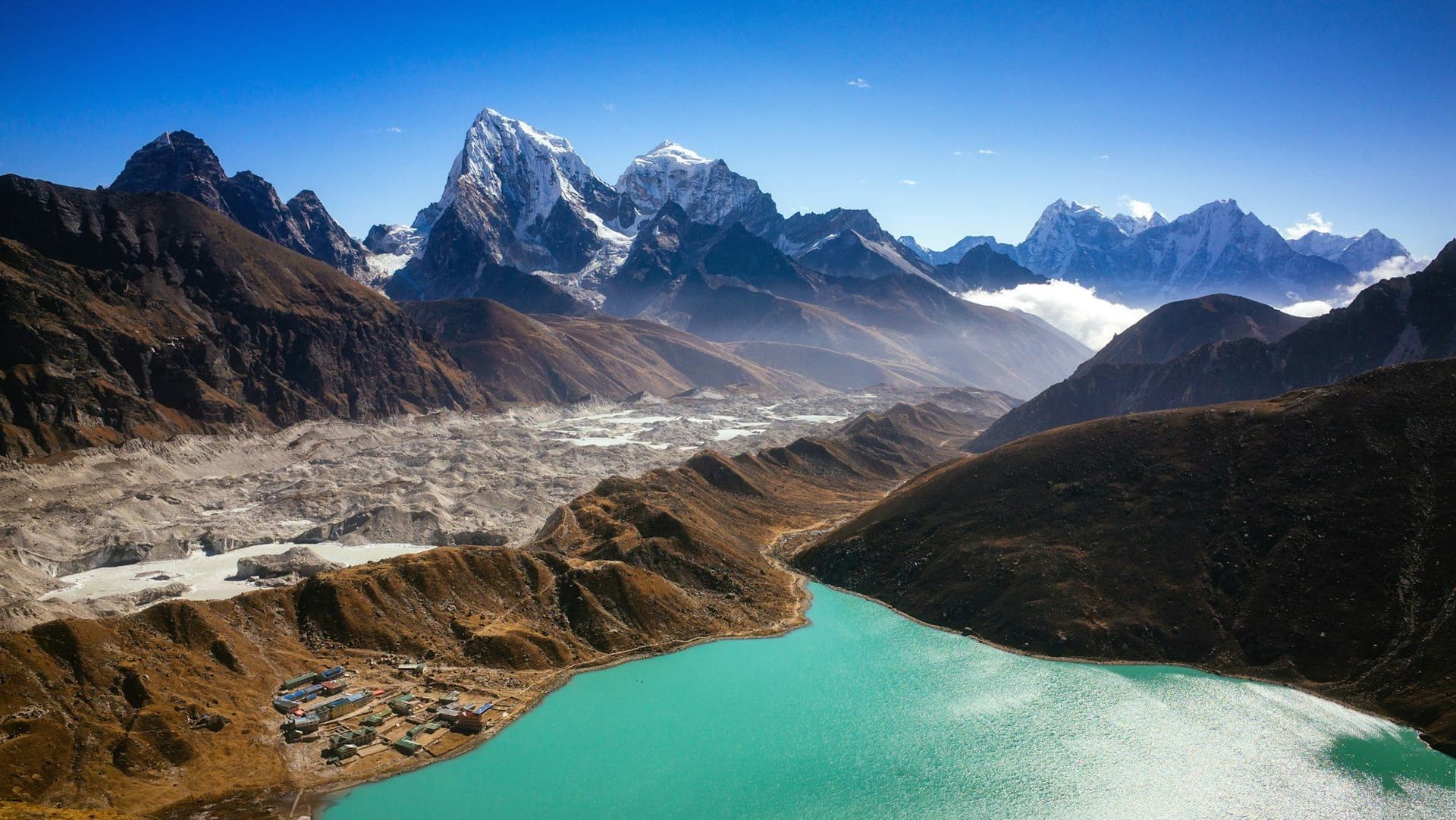
Everest Region
Everest Three Passes Trek
- Duration
- 20 days
- Difficulty
- Strenuous
- Max altitude
- 5,545 m
- Best season
- Apr–May · Oct–Nov
Travel guides
Guides for Nepal
Travel Guide
Pokhara Travel Guide
Nepal's second city is a lake, a ridge, a paragliding capital and the staging post for every Annapurna trek. Here is how to use it well.
Annapurna Region · NepalCity guide
Travel Guide
Lukla Flight Guide
How Lukla flights actually work: the Manthali switch, why cancellations happen, what a helicopter costs, and how many buffer days you really need.
Everest Region · NepalPractical guide
Travel Guide
Kathmandu Travel Guide
Where to stay, what to see, what things cost and how to use Kathmandu as the logistical base for everything else in Nepal.
Kathmandu Valley · NepalCity guide
Travel Guide
Everest Region Guide
Everything you need to plan a trek in the Khumbu: routes, lodges, costs, permits, altitude, connectivity and how to get in and out.
Everest Region · NepalRegion guide
Travel Guide
Best Time to Trek in Nepal
A month-by-month breakdown of Nepal's trekking seasons, including which regions stay walkable through the monsoon and what winter is actually like.
NepalPlanning guide
Itineraries
Suggested itineraries
Itinerary
7 Days in Nepal — A First Week
One week, no rushing: the Kathmandu Valley's three cities, a flight to Pokhara, and two days walking in the foothills with the Annapurnas in view.
Nepal7 daysComfort
Itinerary
Everest Base Camp — 14-Day Itinerary
The standard fourteen-day EBC plan with both acclimatisation days intact, a built-in weather buffer, and honest costs for each stage.
Nepal14 daysAdventure
Itinerary
14 Days in Nepal — Kathmandu, Pokhara and the Annapurnas
The best two-week first trip to Nepal: three days in the Kathmandu Valley, a five-day trek in the Annapurnas, and enough slack that a delayed bus does not ruin the plan.
Nepal14 daysMid-range
Practical information
Getting it right on the ground
Transportation
Domestic flights connect Kathmandu to Pokhara, Lukla, Jomsom and the far west; everything else is by road. Tourist buses on the Kathmandu–Pokhara corridor are comfortable and cheap. Roads are slow: budget 7–8 hours for a 200 km journey.
Accommodation
Teahouses on all major trekking routes (a private twin room and shared bathroom, £3–£10 a night, with the real cost being food). Cities offer everything from £8 guesthouses to genuine luxury.
Food
Dal bhat — rice, lentil soup, curried vegetables, pickle — is the staple and comes with free refills almost everywhere. Kathmandu and Pokhara have strong international restaurant scenes. Above 4,000 m, stick to vegetarian food.
Costs
Independent trekking runs about £25–£40 a day including lodging, food, hot drinks and charging. A guided group trek through an agency is £80–£200 a day. City days cost £20–£60.
Safety
Nepal is a low-crime destination. The real risks are altitude, road travel and monsoon landslides. Comprehensive insurance covering helicopter evacuation above 5,000 m is not optional.
Internet & SIM
Ncell and Nepal Telecom both sell tourist SIMs at the airport. Coverage reaches surprisingly far up the main trekking valleys; Everest and Annapurna also have paid Wi-Fi networks in most lodges.
Money
ATMs are plentiful in cities and reach as far as Namche Bazaar and Jomsom. Above those points it is cash only — carry more rupees than you think you need.
Weather
Four clear seasons. Post-monsoon (Oct–Nov) is stable and clear; spring (Mar–Apr) is warmer with more haze but spectacular rhododendron; winter is cold but quiet at lower altitude; the monsoon (Jun–Sep) closes most of the high routes except the rain-shadow valleys of Mustang and Dolpo.
Map
Important locations
Travel stories
Reporting from Nepal
Travel Story
Walking Through the Himalayas
A slow account of the Everest Base Camp trail in November — the cold, the glacier noise, and what actually stays with you afterwards.
Everest Region · Nepal
Travel Story
A Journey Through Upper Mustang
Upper Mustang was a closed kingdom until 1992 and still requires a restricted permit. Walking to Lo Manthang in August, while the rest of Nepal drowns.
Annapurna Region · Nepal
Videos
Watch
Frequently asked questions
How many days do I need in Nepal?
Do I need a guide to trek in Nepal?
What is the best month to visit Nepal?
About the author
Maya Thapa
Senior trekking writer
Maya has walked more than 4,000 kilometres of Nepal's trail network, from the teahouse highways of the Khumbu to the restricted valleys along the Tibetan border. She writes the route guides and day-by-day itineraries, and returns to most trails every second season to re-check lodge availability, water points and trail reroutes after monsoon damage.
Writes about: Nepal trekking · High-altitude routes · Teahouse logistics