Overview
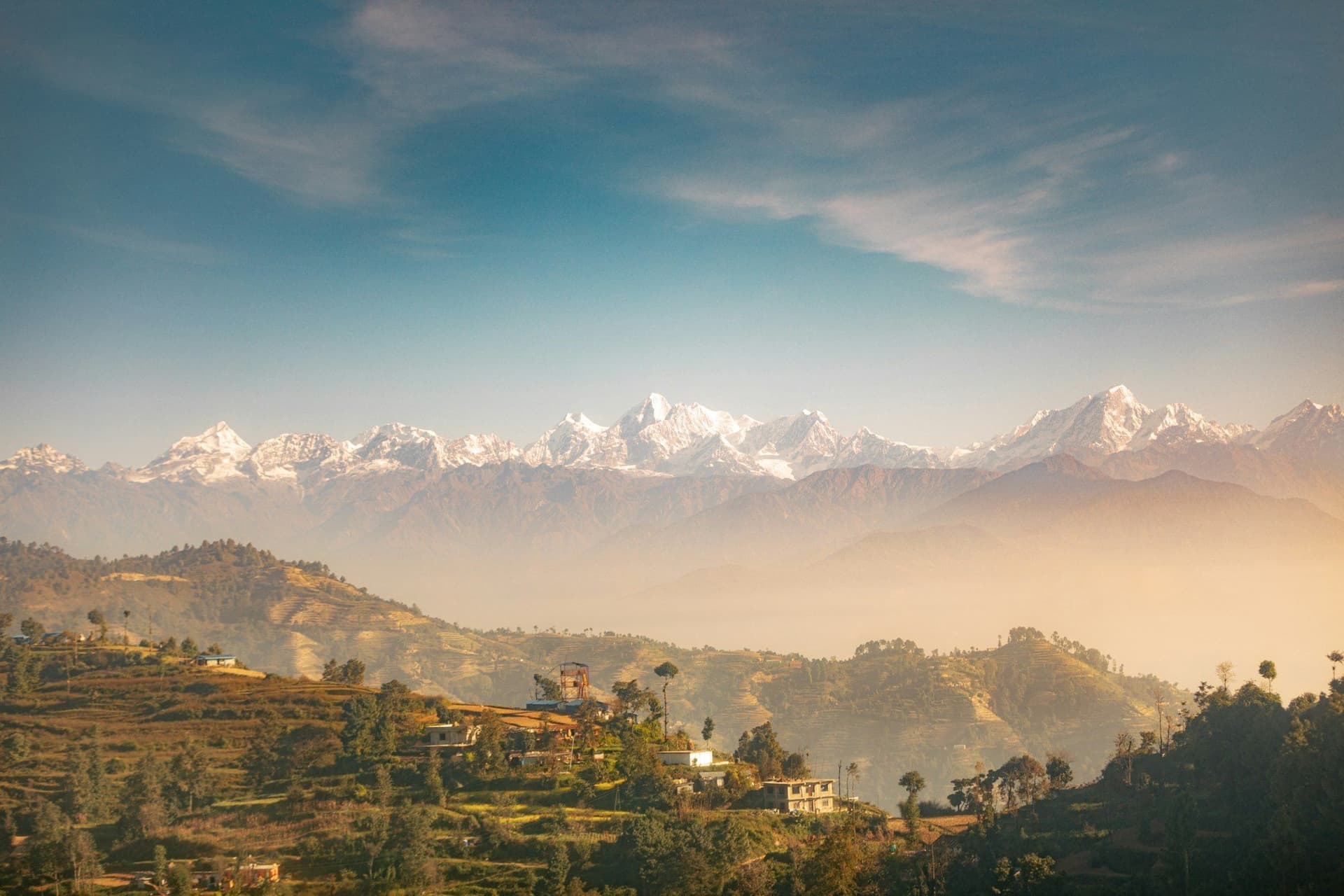
The Tibetan plateau averages more than 4,000 metres, an altitude at which the air holds around sixty per cent of the oxygen available at sea level. That single fact shapes everything about travelling here: how fast you can move, how well you sleep, and how carefully an itinerary has to be built.
Travel is permit-based and guided. In practice you book a route, an operator obtains the Tibet Travel Permit and any additional Alien's Travel Permits for restricted areas, and you travel with a guide and driver throughout.
The classic route
Most first visits follow the Friendship Highway: Lhasa for three or four days of acclimatisation and monasteries, then west through Gyantse and Shigatse, over a series of 5,000 m passes, to Rongbuk and Everest Base Camp on the north side. Some itineraries continue to the Nepali border at Kyirong; others turn further west for Kailash and Lake Manasarovar, a long and genuinely remote addition.
Highlights
Things to do in Tibet
- 01
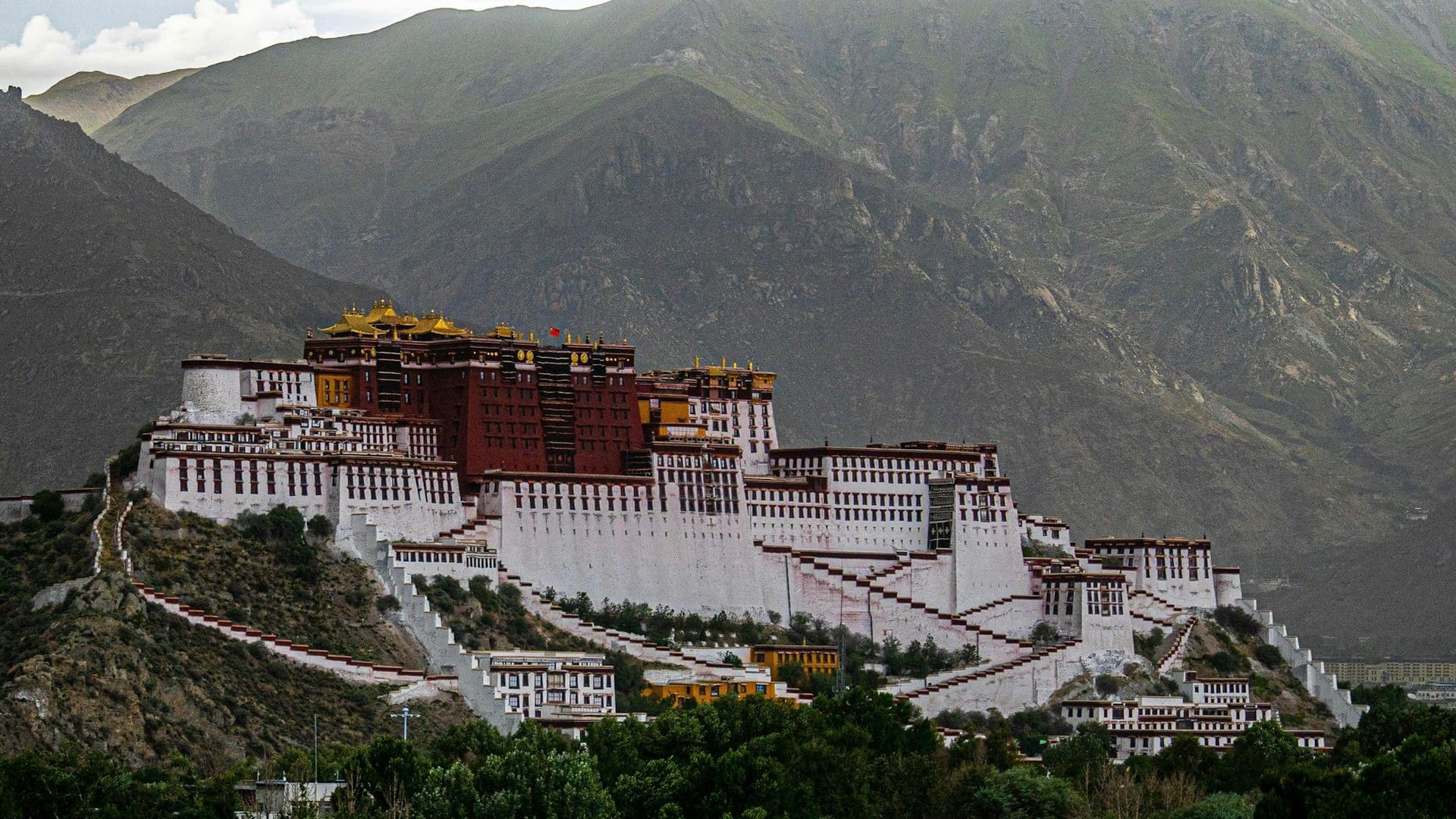
The Potala Palace
A thousand rooms stacked up a hill above Lhasa, and still the defining image of Tibet.
Lhasa
- 02
Everest Base Camp, north side
Reached by road at 5,150 m, with a head-on view of the north face that no Nepali viewpoint can match.
- 03
The Kailash kora
A 52 km circuit of the most sacred mountain in Asia, crossing the Drolma La at 5,630 m. Pilgrims complete it in a day; most visitors take three.
Practical information
Getting it right on the ground
Transportation
Fly or take the Qinghai–Tibet railway to Lhasa; the train helps acclimatise but takes two days. All travel outside Lhasa is by permitted vehicle.
Costs
Group tours run US$120–250 per person per day including permits, guide, driver and accommodation.
Safety
Altitude is the dominant risk. Lhasa sits at 3,656 m and most itineraries climb from there — a slow first two days is essential.
Weather
Dry and bright most of the year. April–June and September–October offer the clearest mountain views; winter is cold but the skies are excellent.
Map
Important locations
Frequently asked questions
Can I travel independently in Tibet?
How does the north side of Everest compare to the Nepal side?
About the author
The Atlas Editorial Team
Research & fact-checking
The Atlas editorial team maintains the structured route, permit and cost data behind every page on this site. Figures are checked against government permit offices, national park authorities and operators on the ground, and each page carries the date it was last reviewed.
Writes about: Route data · Permits and regulations · Trip costs