The three clauses that matter
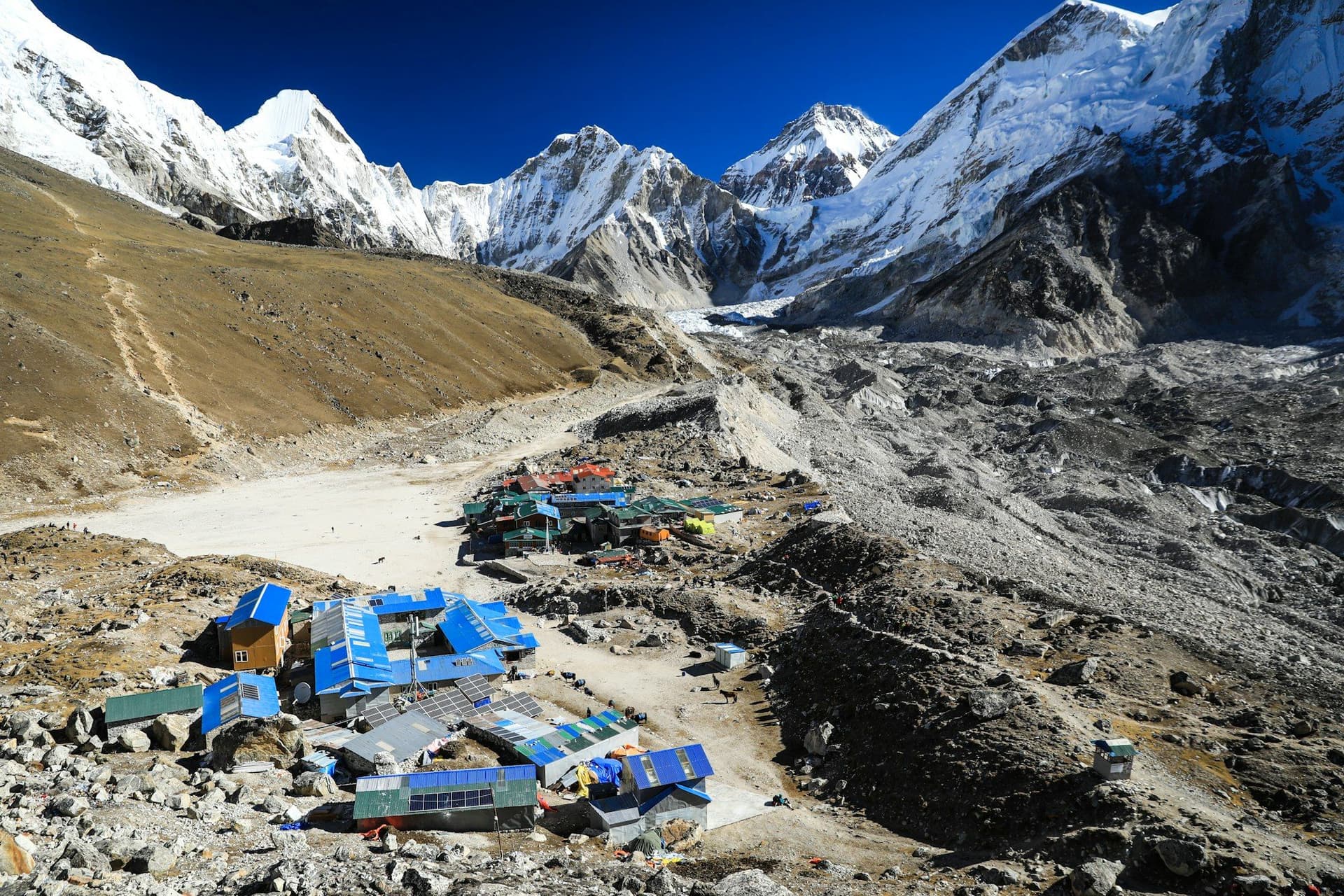
Altitude limit. This is the one that invalidates most claims. Standard policies cover "trekking" to 3,000 or 4,000 metres. Everest Base Camp, Thorong La and Larke La all exceed that.
Helicopter evacuation. Not the same as medical cover. It must be named.
Repatriation. The largest single potential cost, and routinely capped too low.
Reading a policy properly
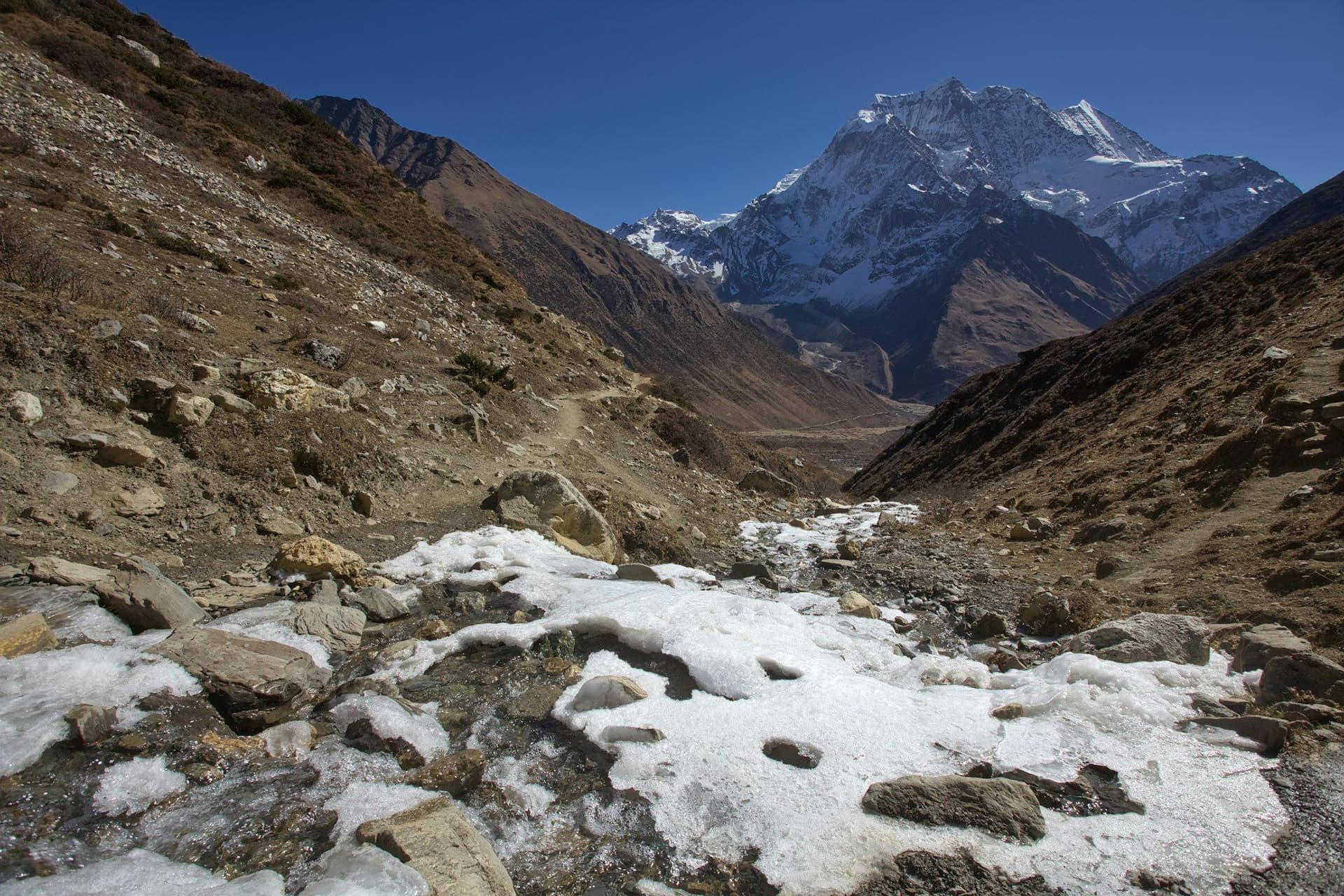
Search the policy wording — not the marketing page — for "altitude", "trekking" and "mountaineering". Insurers define trekking as walking on established trails without ropes; the moment crampons or fixed lines appear, most policies reclassify the activity as mountaineering and exclude it. Cho La and Larke La in snow conditions sit uncomfortably close to that line.
A note on rescue fraud
Nepal has had a documented problem with unnecessary helicopter evacuations arranged between lodges, operators and rescue companies. Insurers now scrutinise Nepali claims closely. Insist on being examined before agreeing to a lift unless you are genuinely unwell, and keep your own record of symptoms and altitudes.
Frequently asked questions
Do I need special insurance for Everest Base Camp?
How much does a helicopter rescue cost in Nepal?
About the author
The Atlas Editorial Team
Research & fact-checking
The Atlas editorial team maintains the structured route, permit and cost data behind every page on this site. Figures are checked against government permit offices, national park authorities and operators on the ground, and each page carries the date it was last reviewed.
Writes about: Route data · Permits and regulations · Trip costs