What happens
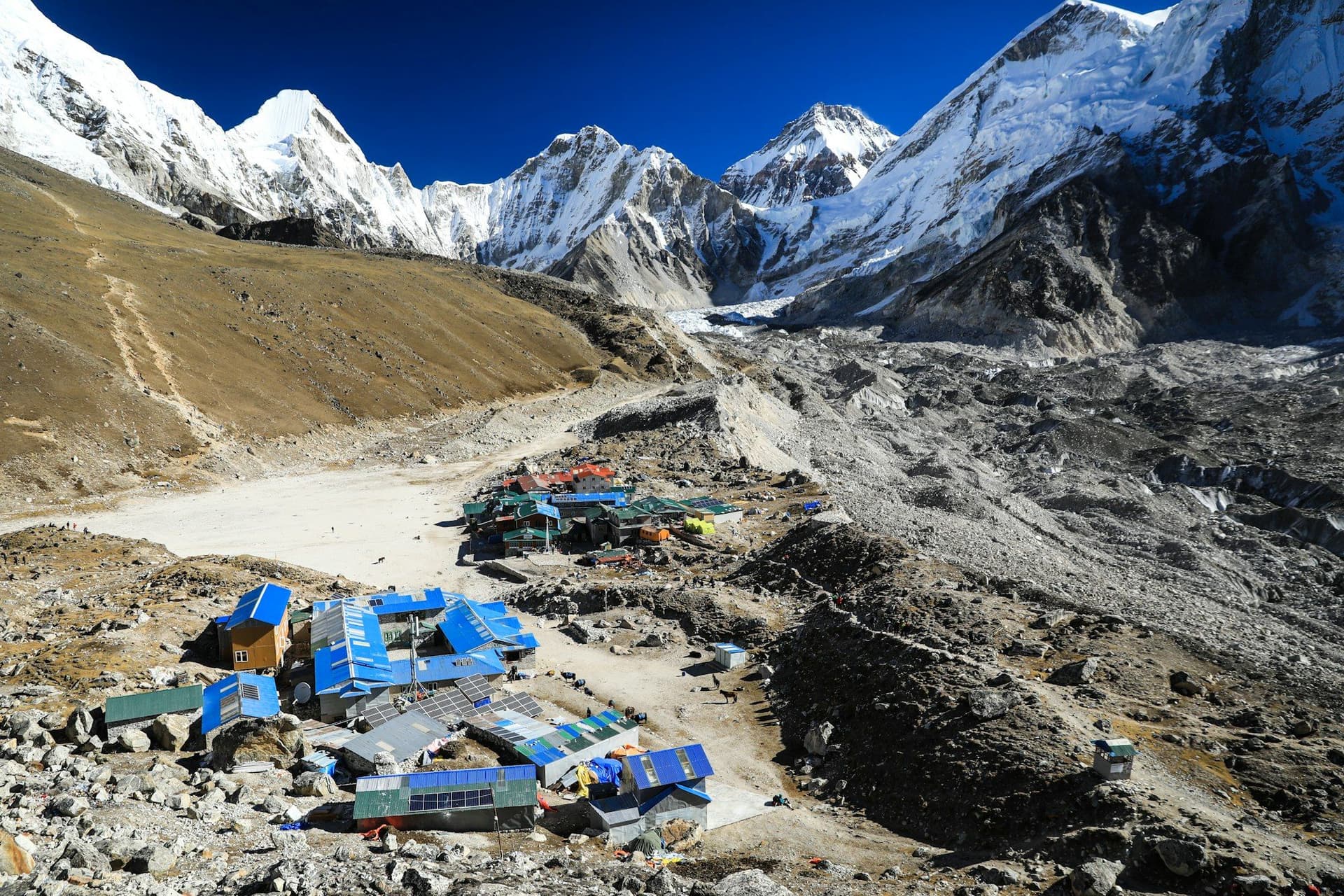
Above about 2,500 metres the partial pressure of oxygen falls far enough that the body must adapt — more breathing, more red cells, changes in fluid balance. Acute mountain sickness is what happens when you ascend faster than that adaptation.
The rules that work
- Sleeping altitude is what counts. Climbing high during the day is fine and helpful; sleeping high is the risk.
- Above 3,000 m, gain no more than 300–500 metres of sleeping altitude a day.
- Take a rest day every 1,000 metres of gain, and make it an active one.
- Drink three to four litres a day and eat far more carbohydrate than feels natural.
- Never ascend with symptoms.
The three conditions
AMS — headache plus nausea, fatigue, dizziness or poor sleep. Stop ascending. Rest a day. If it resolves, continue.
HACE (high-altitude cerebral oedema) — confusion, loss of coordination, inability to walk a straight line. A medical emergency. Descend immediately, at night if necessary.
HAPE (high-altitude pulmonary oedema) — breathlessness at rest, a wet cough, a drowning sensation when lying down. Also an emergency. Descend immediately.
For both HACE and HAPE, descent is the treatment. Oxygen, dexamethasone, nifedipine and portable hyperbaric bags buy time to descend; they do not replace it.
Frequently asked questions
What are the first signs of altitude sickness?
Does fitness protect against altitude sickness?
Should I take Diamox?
About the author
The Atlas Editorial Team
Research & fact-checking
The Atlas editorial team maintains the structured route, permit and cost data behind every page on this site. Figures are checked against government permit offices, national park authorities and operators on the ground, and each page carries the date it was last reviewed.
Writes about: Route data · Permits and regulations · Trip costs