Boots vs. Trail Runners: The Great Debate
1. Hiking Boots—For Ankle Support and All-Terrain Protection
- Ideal for those who want extra stability on rocky and uneven trails.
- Best for trekking in colder months (March-May, October-November) when snow, ice, and mud are more common.
- Provides better protection from wet conditions, especially when descending through slushy, muddy trails.
- Downsides? Heavier and can feel a bit bulky after long days of trekking.
2. Trail Runners—For Light and Fast Trekking
- Lightweight and breathable—great for people who hate bulky boots.
- Work well if you have strong ankles and are used to hiking in trail shoes.
- A solid option in warmer months (April-May, September-October) when snow isn’t as much of an issue.
- Must be waterproof (Gore-Tex is a good idea) or you risk cold, wet feet.
Other Things to Consider
- The Trail Gets Rough – After Tengboche, the terrain becomes rockier, and beyond Dingboche, it’s even more uneven. Having some ankle support is helpful.
- Breaking Them In is Mandatory – Whether you go for boots or trail runners, make sure you’ve worn them in before the trek. New shoes = guaranteed blisters.
- Socks Matter More Than You Think – A solid pair of merino wool socks can make all the difference. Some trekkers swear by double-layering: a thin technical sock underneath and a midweight merino sock on top.
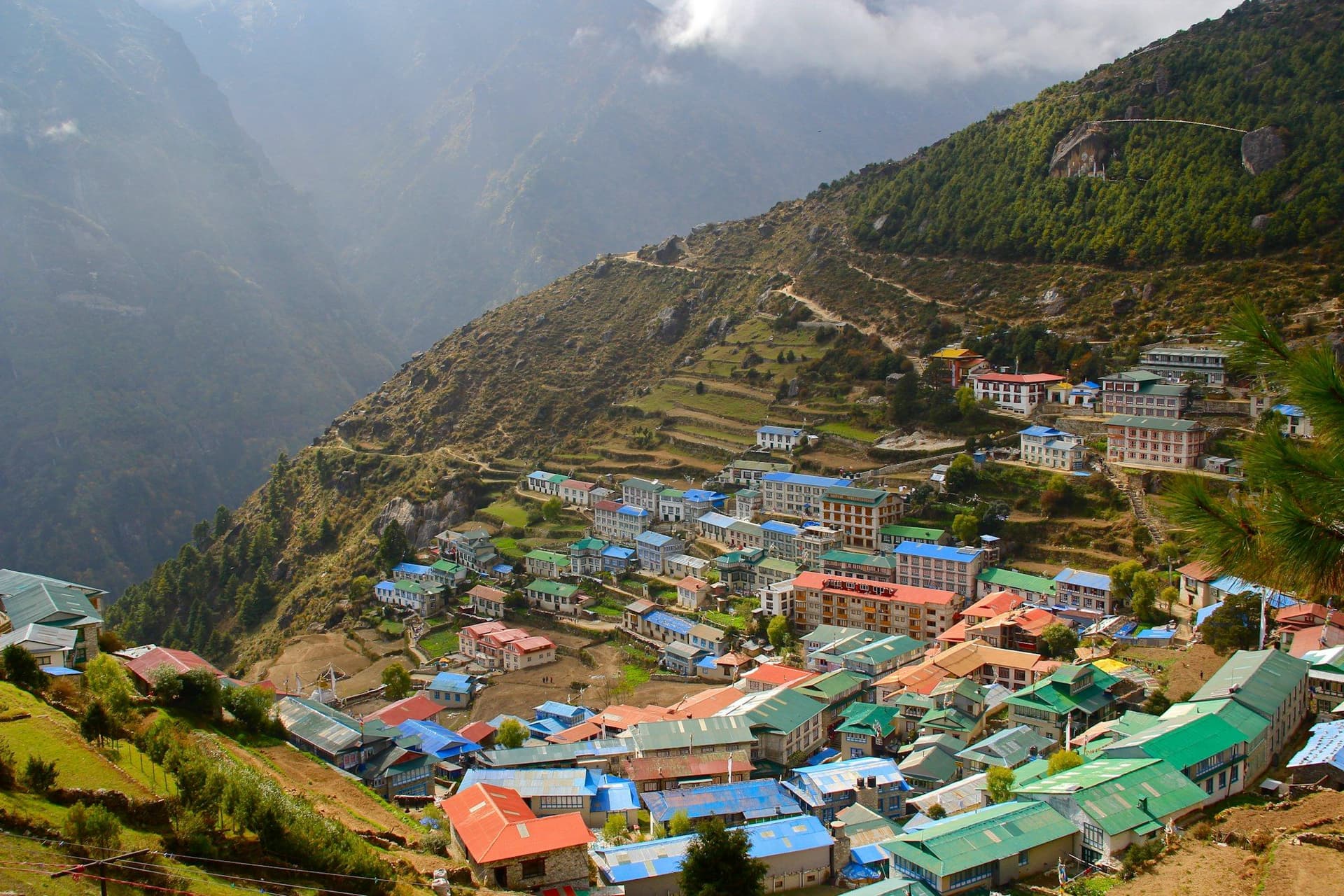
- Wet and Muddy Descents – The return trek from Namche to Lukla is often wet, muddy, and full of... let’s just say “organic surprises.” Waterproof shoes are a lifesaver.
So, What Should You Wear?
About the author
The Trek Heaven Editorial Team
Research & fact-checking
The Trek Heaven editorial team maintains the structured route, permit and cost data behind every page on this site. Figures are checked against government permit offices, national park authorities and operators on the ground, and each page carries the date it was last reviewed.
Writes about: Route data · Permits and regulations · Trip costs