The availability of electricity and charging for devices while trekking in Nepal can vary depending on the specific trekking route and the level of development in the area. Here are some general guidelines:
1. Lower-Altitude Regions:
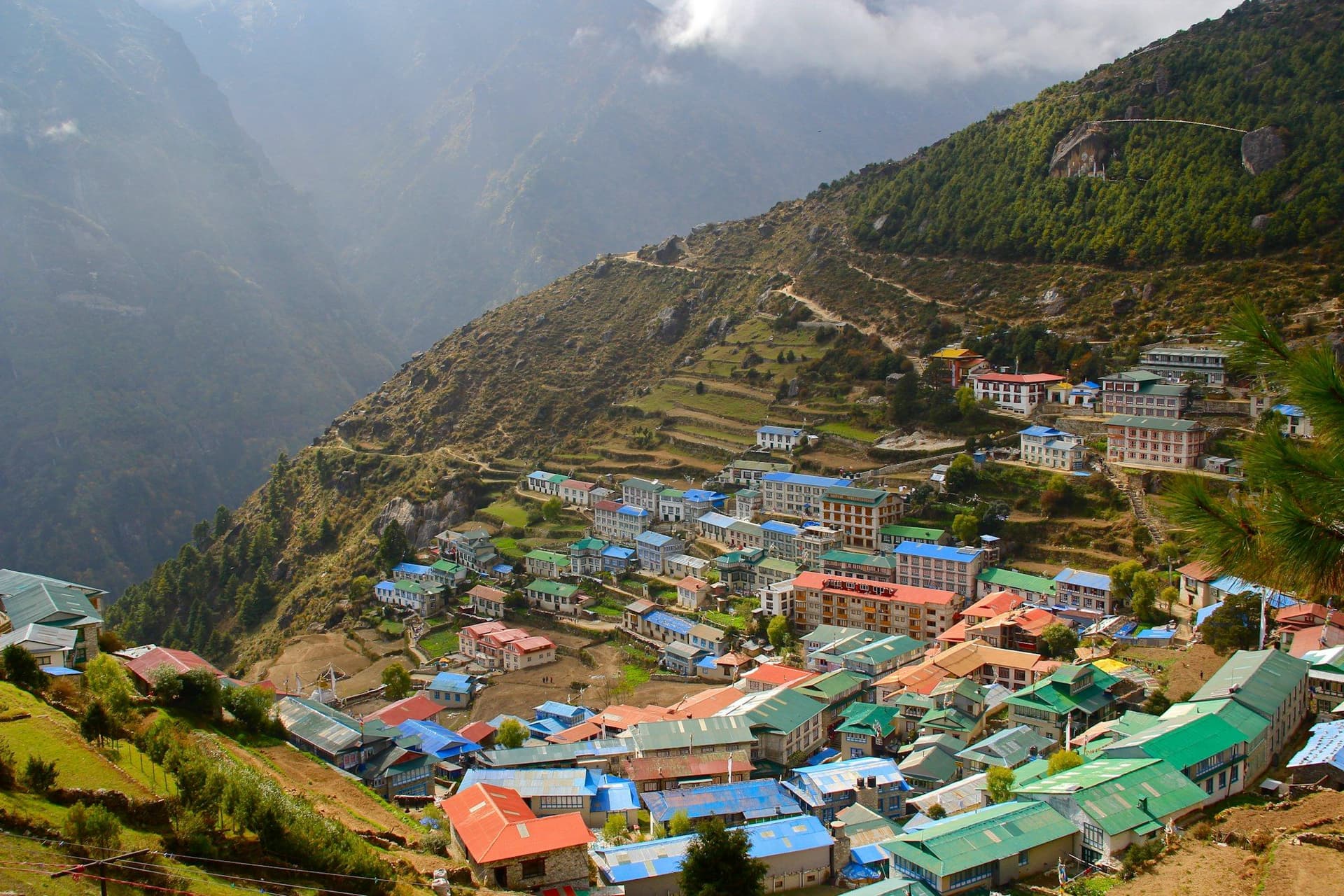
- In lower-altitude regions and more developed trekking hubs like Pokhara, Lukla, or Namche Bazaar, you can find teahouses and lodges with electricity. These areas often have access to the national power grid or rely on alternative energy sources like solar panels or hydroelectric power.
2. Charging Devices:
- Most teahouses and lodges in these areas provide charging facilities for electronic devices like smartphones, cameras, and laptops. There is usually a fee associated with charging, which can vary from place to place. It's a good idea to bring a universal adapter or appropriate charging cables for your devices.
3. High-Altitude Regions:
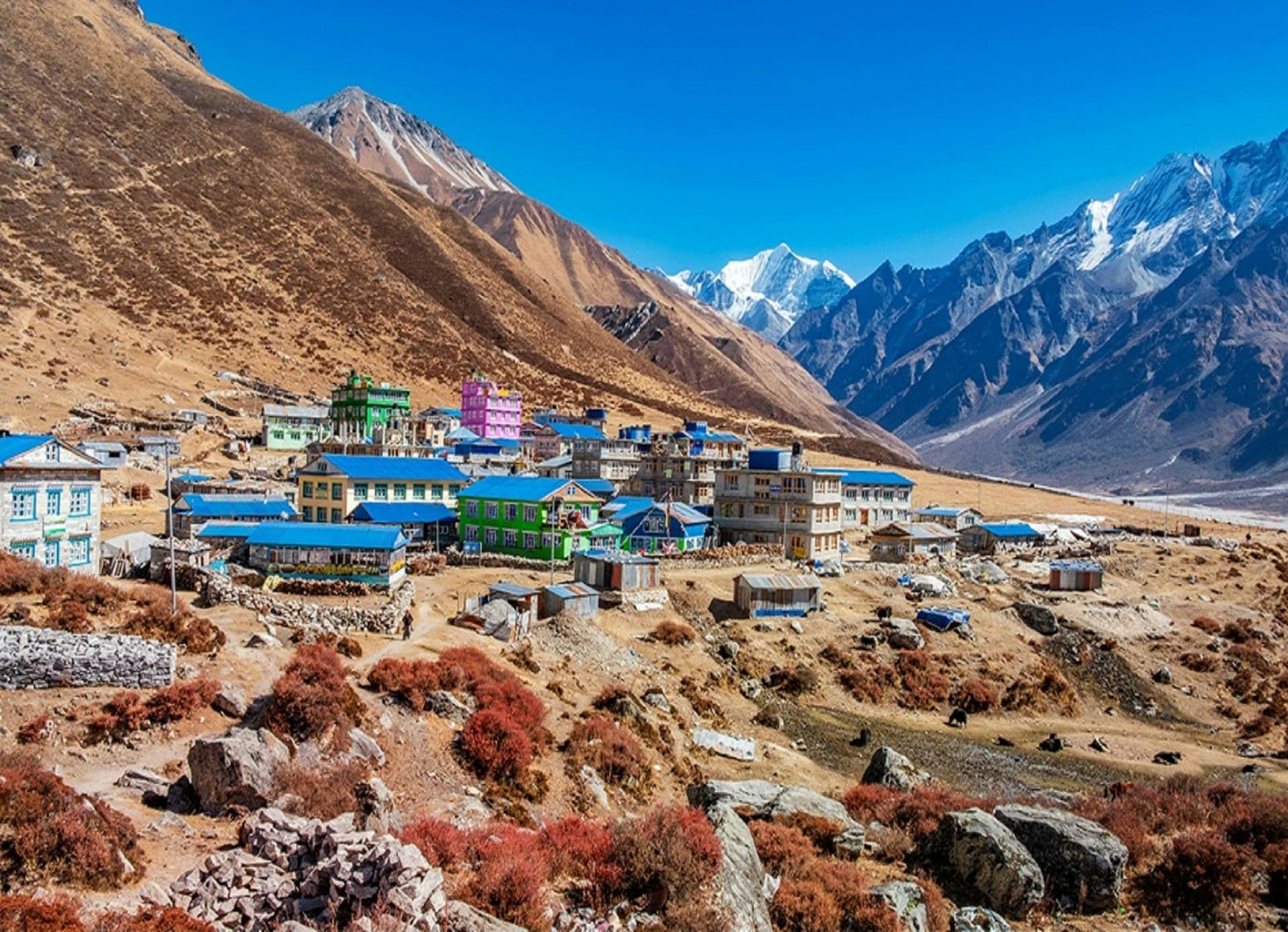
- In more remote and higher-altitude regions, access to electricity can be limited. Teahouses and lodges at higher altitudes may not have power outlets in the rooms, and their electricity supply may be available for a limited number of hours each day. Charging services can be less reliable and more expensive in these areas.
4. Plan and Prioritize:
- When trekking in higher-altitude regions, it's important to plan and prioritize device charging. Bring power banks to extend your device's battery life, and ensure that you charge your essential devices when power is available.
5. Solar Chargers:
- Some trekkers bring portable solar chargers to harness solar energy during the day and charge their devices while trekking. This can be a convenient and eco-friendly option in areas with limited access to electricity.
6. Be Prepared for Inconveniences:
- In some remote areas, you may find yourself without electricity for days at a time. Be prepared for this and plan your device usage accordingly.
It's crucial to keep your devices charged for communication and navigation purposes, especially if you're using a GPS or smartphone for trekking apps. While charging is generally available in many trekking areas, always be prepared for the possibility of limited access to electricity in more remote and high-altitude regions. 🏔️🔌📱🚶♂️
About the author
The Trek Heaven Editorial Team
Research & fact-checking
The Trek Heaven editorial team maintains the structured route, permit and cost data behind every page on this site. Figures are checked against government permit offices, national park authorities and operators on the ground, and each page carries the date it was last reviewed.
Writes about: Route data · Permits and regulations · Trip costs