Overview
Most visitors to Kathmandu eat in Thamel, which is a shame, because the food there is aimed at people who have just come off a trek and want a pizza. The valley's own cuisine is Newari — older, stranger and considerably better.
This is a walking morning and a cooking afternoon. No restaurant tables until you sit down to eat what you made.
The morning
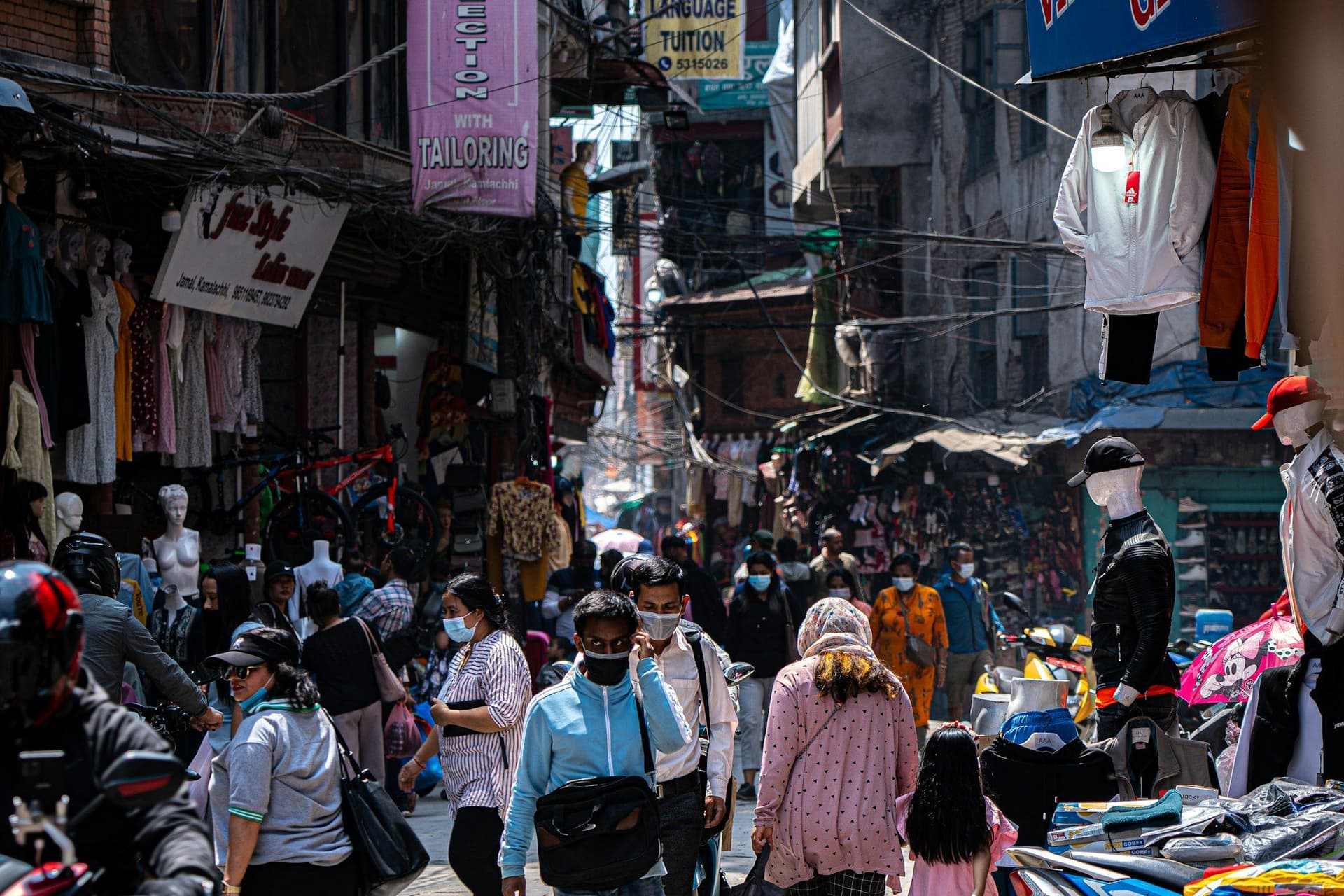
Ason is the old city's main market, a six-way junction that has been a trading crossroads for several hundred years. It is loudest and best at eight in the morning.
Tastings through the walk: bara, a black-lentil patty fried on a griddle; chatamari, the rice-flour flatbread usually and lazily called Newari pizza; sel roti, a sweet ring of fermented rice batter; juju dhau, buffalo-milk yoghurt set in clay; and whatever the season has put in the market.
Then Indra Chowk, the bead bazaar, and out through the spice lanes.
The afternoon
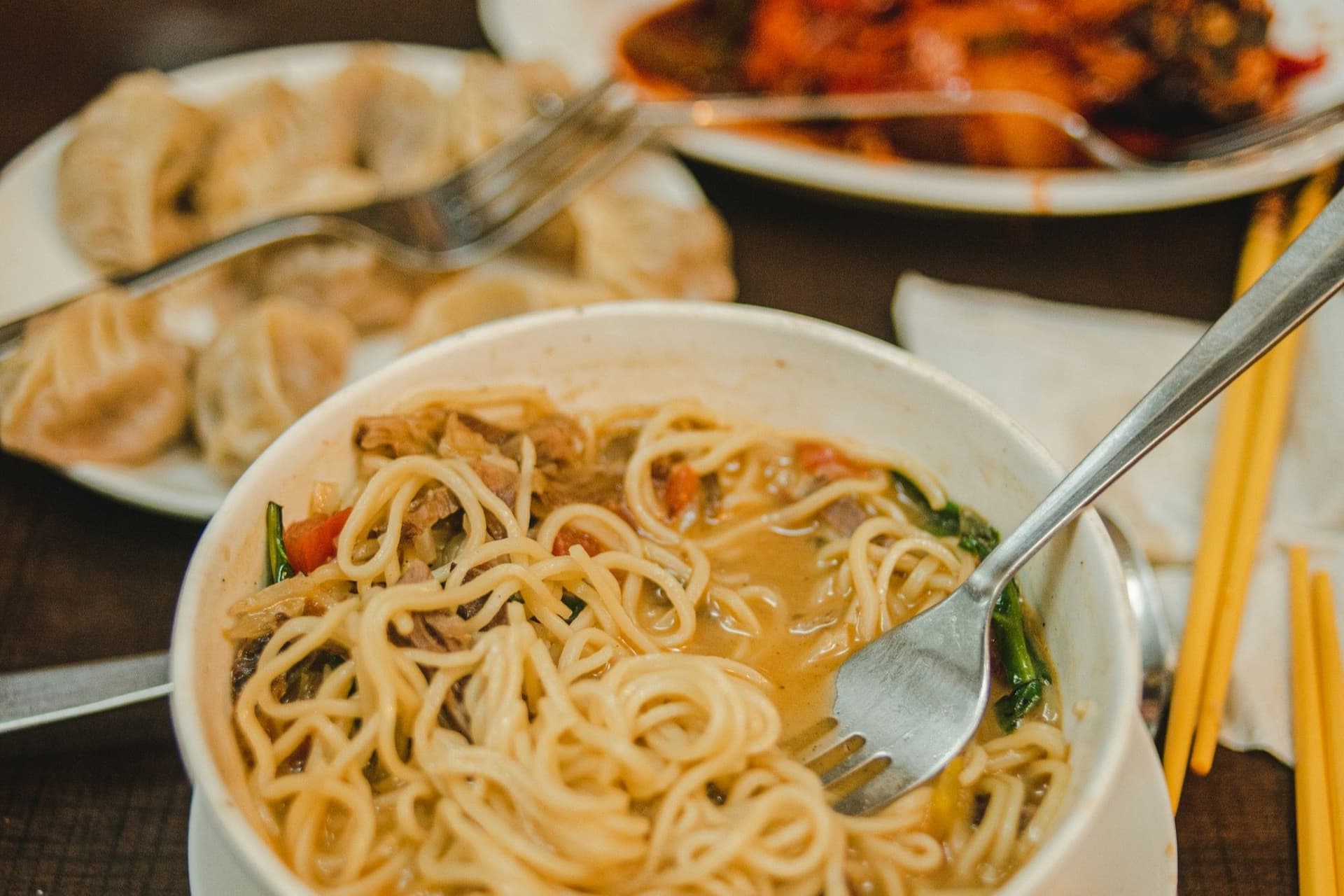
A family kitchen, a cook who has made this food her whole life, and four dishes: momo — including the folding, which takes longer to learn than anyone expects — chatamari, aloo tama (potato with bamboo shoot and black-eyed beans) and a fresh achar.
Lunch is what you cooked, served alongside a full samay baji platter with each element explained: beaten rice, spiced soybean, buffalo choila, boiled egg, ginger, garlic and dried fish.
Practicalities
Eight hours, mostly on your feet on uneven and often wet ground. Come hungry and do not eat breakfast.
Tell us in advance about dietary restrictions. Vegetarian is trivially easy; vegan needs a day's notice because dairy runs right through this cuisine.
Best season
Year-round. The market runs through the monsoon and the kitchen is indoors. Only Dashain closes it, when the city empties for a fortnight in September or October.
Highlights
- Ason market at eight in the morning
- Juju dhau, the "king of yoghurts", from Bhaktapur
- Chatamari and bara cooked in front of you
- A full samay baji platter, explained dish by dish
- Learning to fold momo properly
Day by day
The full full day · 8 hours
Where you are, what you do, how you travel and where you sleep — each day a structured record rather than a paragraph.
- Day 1
Market walk and cooking class
Ason, Indra Chowk and Patan
- Ason bazaar — spices, grains, dried fish and the six-way junction
- Standing tastings — bara, chatamari, sel roti, juju dhau, lassi
- Indra Chowk and the bead market
- Afternoon cooking class — momo, chatamari, aloo tama, achar
- Lunch of what you cooked, with a samay baji platter
- Transport
- On foot, plus one taxi
- Meals
- Tastings, lunch
- Time
- 8 hours
Start is 08:00 — Ason is a working market and by eleven the best of it is sold. Wear shoes you do not mind getting wet.
Map
Where this tour goes
Price
What $65–$110 covers
Per person; the higher figure is a private departure
Included
- Food-writer guide through Ason and Indra Chowk
- Twelve to fifteen tastings through the morning
- Newari cooking class with a family cook
- Recipe notes to take away
- Lunch of everything you cooked
Not included
- Alcohol, including raksi and thwon
- Hotel transfers
- Tips
Frequently asked questions
What is Newari food?
Can this work for vegetarians and vegans?
Is street food in Kathmandu safe?
What is juju dhau?
About the author
Tom Eriksen
Gear editor & photographer
Tom tests trekking equipment the only way that produces honest answers: by carrying it for weeks at a time above 4,000 metres. He shoots most of the photography on this site and writes the gear reviews, comparison tables and packing lists.
Writes about: Trekking gear · Photography · Packing and weight