Overview
Panauti is a Newar town an hour and a half south-east of Kathmandu, at the confluence of two rivers, with brick lanes, courtyard houses and a thirteenth-century temple. It has none of Bhaktapur's coach parties.
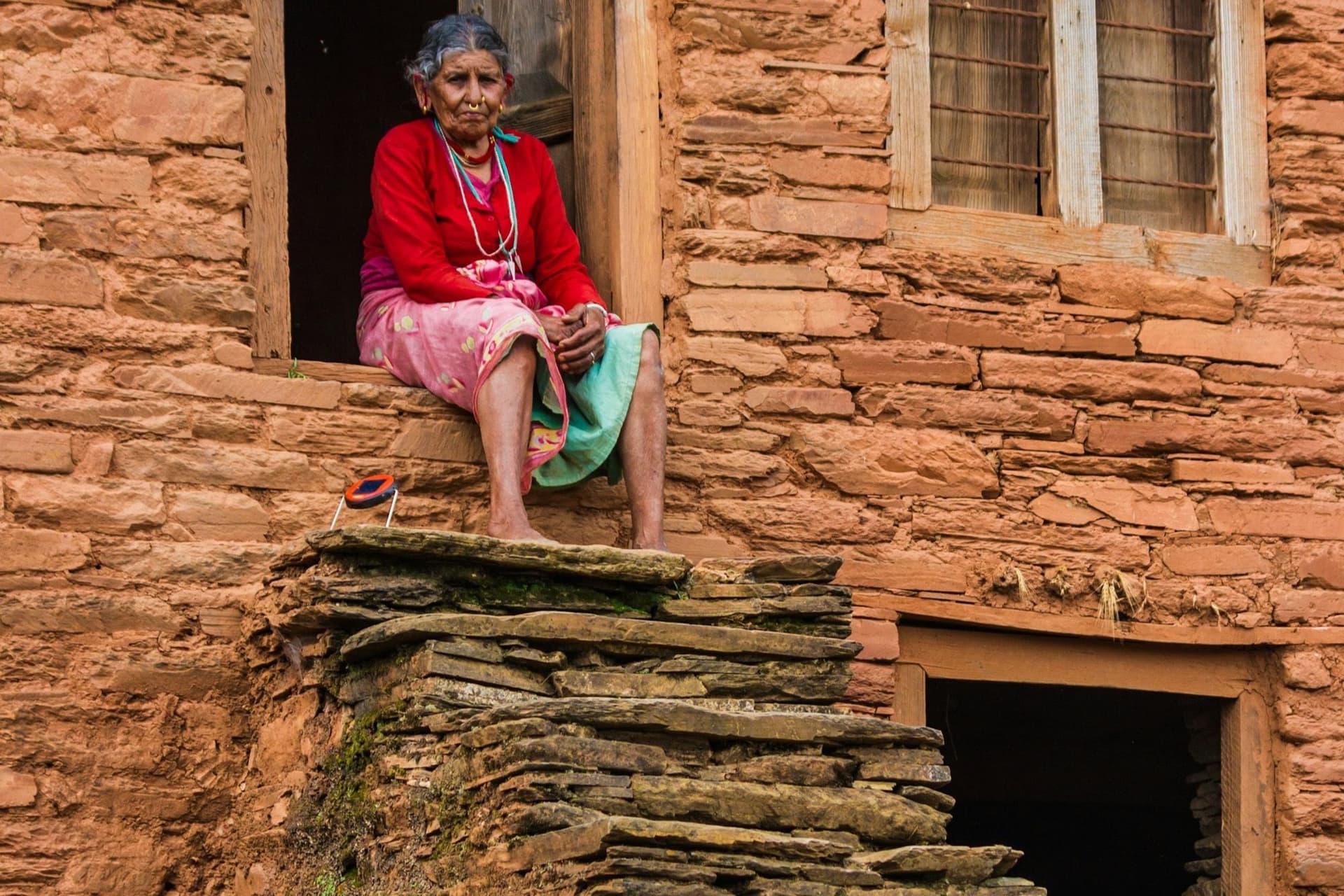
The homestay network here is the reason to come. It is owned and run by a group of local women, guests rotate between households so the income is shared, and a portion goes to a fund the members allocate themselves. No operator takes a cut.
What you actually do
Not very much, which is the point. You cook with your host, eat what the family eats, walk the town, and go out to the fields in the morning if the season has work in it.
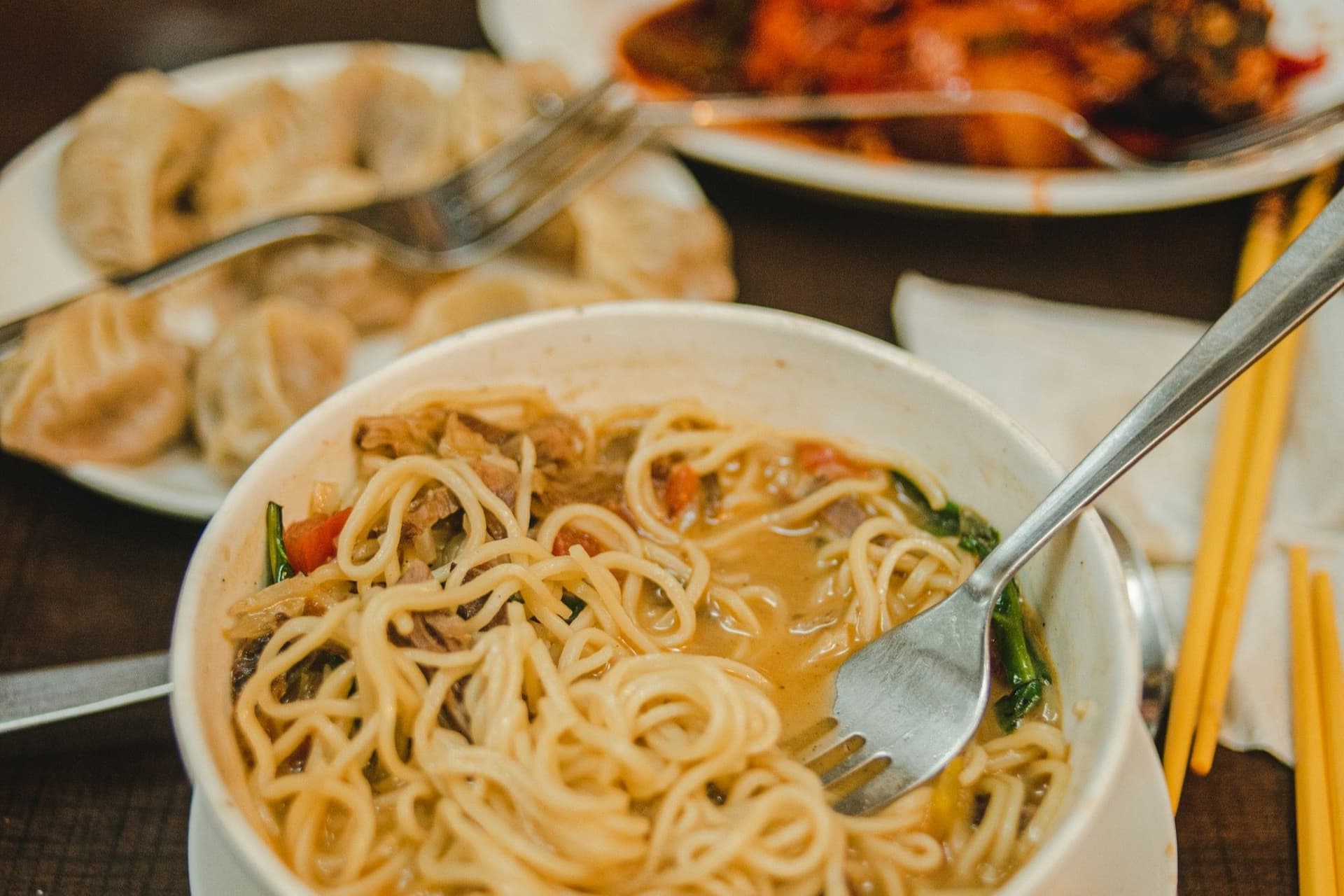
There is a cooking session — dal bhat, momo, a fresh achar — and a village walk with a local guide. The rest is unstructured.
The temple
Indreshwar Mahadev, traditionally dated to 1294, is a three-tiered pagoda at the Khware, where the Punyamati and Roshi rivers meet. The confluence is considered sacred and draws pilgrims at Makar Sankranti. The carved roof struts are among the finest and least restored in the valley.
Being honest about the rooms
A room in a family home. A bed, a window, shared space. Some houses have Western toilets and hot water; some have neither, and the network tells you which before you arrive rather than after.
If you want a hotel, Dhulikhel is twenty minutes away and has good ones. If you want to stay in someone's house, this is the best-run version of that in Nepal.
Onward on foot
A four-hour walk over the ridge reaches Namo Buddha, one of the three great Buddhist sites in the country, which makes an easy and satisfying third day.
Best season
September to April. Autumn brings Dashain and Tihar, when the town is at its most active and the households at their busiest — ask before booking during Dashain, as many hosts have family staying. The monsoon is green and quiet.
Highlights
- Indreshwar Mahadev, one of Nepal's oldest surviving temples
- Cooking dal bhat over a wood fire with your host
- The Khware sacred confluence
- A homestay network owned and run by the women hosting you
- Bhaktapur and Dhulikhel both within half an hour
Day by day
The full 3 days
Where you are, what you do, how you travel and where you sleep — each day a structured record rather than a paragraph.
- Day 1
Arrive Panauti, meet your host
Panauti
- Travel from Kathmandu and meet the household
- Walk the old town — brick lanes, courtyards, resting platforms
- Cook and eat the evening meal with the family
- Transport
- Vehicle or local bus, 1.5 hours
- Sleep
- Family home, Panauti
- Meals
- Lunch, dinner
- Time
- Afternoon
Households vary. Some have a Western toilet, some do not. This is explained honestly at booking rather than smoothed over.
- Day 2
Village life and the temple
Panauti
- Morning in the fields or the kitchen, depending on the season
- Indreshwar Mahadev temple and the Khware confluence
- Afternoon cooking session — momo, achar, dal bhat
- Evening with the family
- Sleep
- Family home, Panauti
- Meals
- Breakfast, lunch, dinner
- Time
- Full day
- Day 3
Walk to Namo Buddha or return
Panauti or Namo Buddha
- Optional four-hour walk over the ridge to Namo Buddha
- Or a slow morning and return to Kathmandu
- Transport
- On foot, or vehicle
- Meals
- Breakfast
- Time
- 5 hours for the walk
Map
Where this tour goes
Price
What $90–$180 covers
Two nights with all meals; the majority stays with the host family and the network
Included
- Two nights in a family home
- All meals, cooked and eaten with the family
- Village walk with a local guide
- Cooking session with your host
- Indreshwar Mahadev temple and the Khware confluence
Not included
- Transport from Kathmandu
- Tips, which the network asks you not to give individually
Frequently asked questions
Who actually gets the money?
What is the accommodation actually like?
Is there a language barrier?
What is the Indreshwar Mahadev temple?
Should you tip?
About the author
Maya Thapa
Senior trekking writer
Maya has walked more than 4,000 kilometres of Nepal's trail network, from the teahouse highways of the Khumbu to the restricted valleys along the Tibetan border. She writes the route guides and day-by-day itineraries, and returns to most trails every second season to re-check lodge availability, water points and trail reroutes after monsoon damage.
Writes about: Nepal trekking · High-altitude routes · Teahouse logistics