So, you’re considering Everest Base Camp in January?
Let’s get one thing straight: you’re not crazy. You’re just a little adventurous—and that’s exactly what the Himalayas are made for.
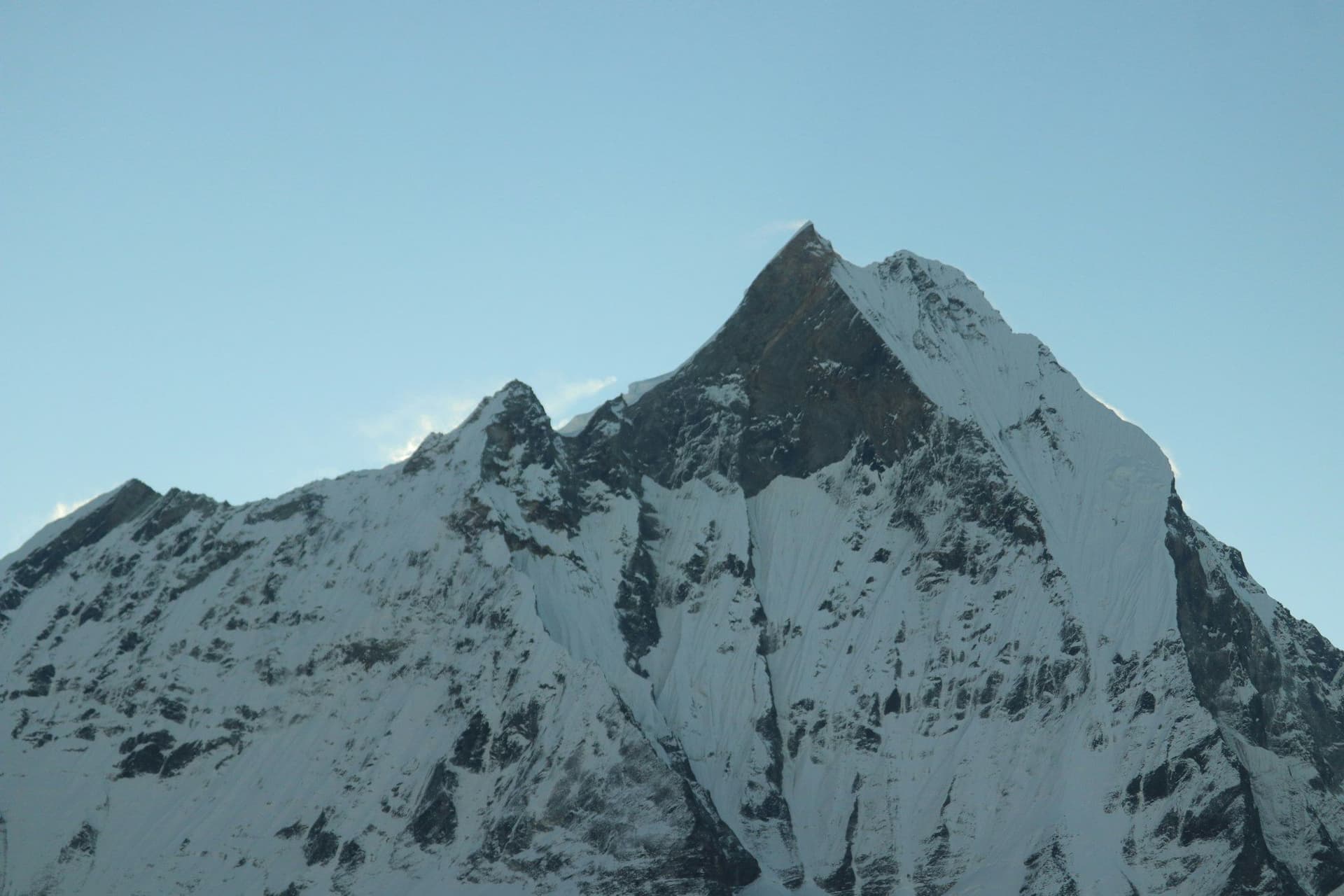
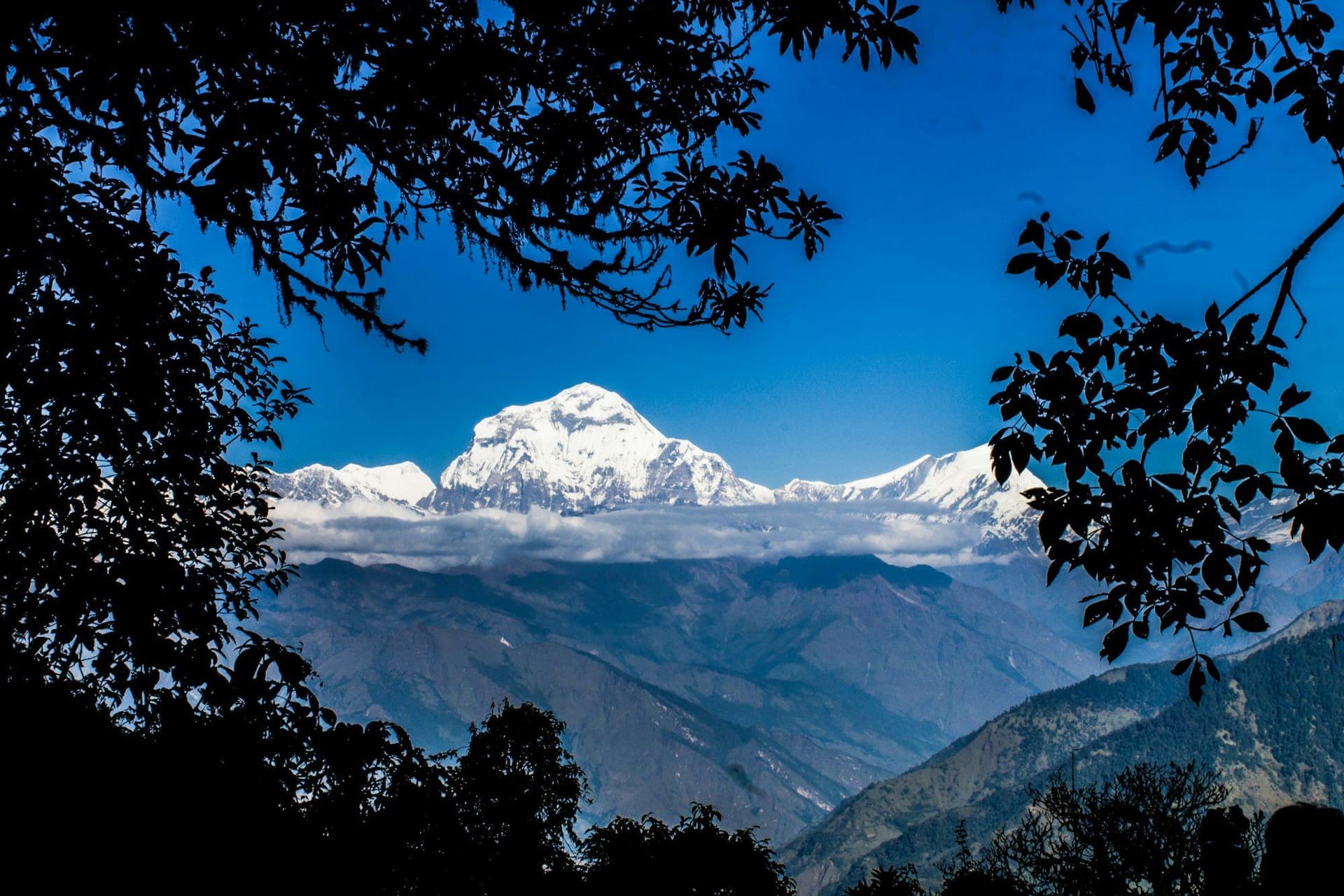
Trekking to Everest Base Camp (EBC) in January isn’t for the faint-hearted. It’s cold, yes. It’s quiet, oh yes. But it’s also a chance to experience the Everest region at its most serene, with diamond-clear skies, snow-blanketed peaks, and uncrowded trails that feel like they belong to you alone.
If you can brave the cold, you’re in for one of Nepal’s most raw and unforgettable trekking experiences.
What’s January Like in the Khumbu?
January is deep winter in the Everest region. But the good news? It’s a dry winter month. That means minimal rainfall, lots of sunshine, and views so sharp you’ll feel like you can reach out and touch Everest.
Wind chill is a real factor, especially above 4,000m. But if you come prepared, the conditions are manageable—and the silence of the high Himalayas in winter is otherworldly.
Why Trek to Everest Base Camp in January?
Despite the temperatures, January has some serious perks:
- Clear skies every day: Your photos will look like postcards—no clouds, no haze.
- Fewer trekkers: The trails are calm, the tea houses peaceful.
- Uninterrupted flights: Unlike spring and monsoon, Lukla flights are rarely delayed due to weather.
- Epic mountain views: Snow dusts the peaks like powdered sugar. It’s pure Himalayan drama.
Is EBC Safe in January?
Yes—with the right gear and preparation. There’s typically no heavy snowfall on the classic route from Lukla to EBC during January, though icy patches are common at higher elevations. The trail remains open and passable, and most tea houses operate year-round.
The key is to:
- Trek slowly and acclimatize properly
- Stay warm with quality gear
- Go with a guide or porter, especially if it’s your first time
What to Expect Day by Day
✈️ Kathmandu to Lukla (2,800m)
- Early morning flights are smooth in January
- Clear skies make it one of the best months to fly into the mountains
🥾 Lukla to Namche (3,440m)
- Trails are quiet, suspension bridges frost-covered
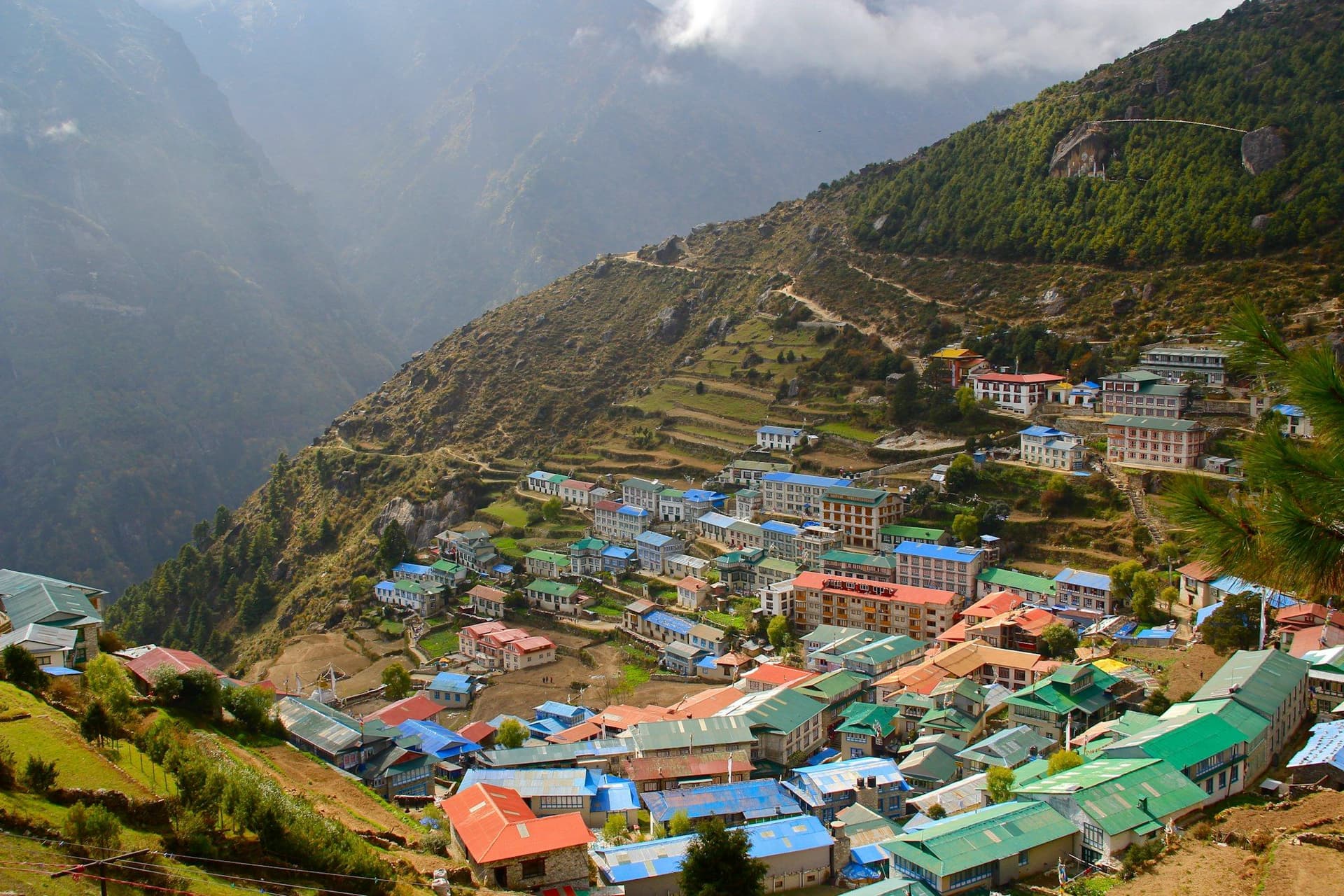
- Namche is lively even in winter—shops and bakeries stay open
🏔️ Tengboche to Dingboche (3,860m to 4,410m)
- Snow may lightly cover the trail, adding a magical quality
- Monasteries look ethereal surrounded by frost
🧊 Lobuche to Gorak Shep & EBC
- The coldest section of the trek
- Frozen streams, icy footpaths, and views that make the frost worth it
Gear Checklist for January Trekkers
You’ll want to bring winter expedition-grade gear:
Clothing:
- 4-season sleeping bag (rated to -20°C)
- Down jacket (heavy-duty)
- Base layers (merino if possible)
- Windproof shell and insulated pants
- Warm gloves, wool socks, beanie, and neck gaiter
Extras:
- Crampons or microspikes (optional but useful)
- Moisturizer & lip balm (it’s Sahara-dry up there)
- Thermal water bottle covers
- Power bank (batteries drain quickly in the cold)
- UV-protection sunglasses
Food & Accommodation in Winter
Most tea houses along the EBC trail remain open, even in January. Some lodges in higher areas may close temporarily, but there’s always at least one lodge available in every village.
- Dining rooms will have stoves for heat in the evenings
- Menu options are more limited the higher you go, but you’ll still get dal bhat, noodles, fried rice, soups, and tea
- Don’t expect hot showers past Namche. Embrace the “freeze and go” lifestyle
Tips for Trekking EBC in January
- Start early: The sun sets early, and you’ll want to reach your lodge before temperatures drop
- Don’t skip acclimatization days
- Layer up, even during the day
- Hire a porter: Carrying 10kg+ at 5,000m in sub-zero temperatures is no joke
- Charge everything in lower villages—solar power gets less reliable up high
Should Beginners Do EBC in January?
If you’ve never trekked at altitude before, January is not the ideal month to start. The trek is still physically demanding, and the cold multiplies the challenge. But if you’re fit, have the right gear, and team up with a good guide, it’s doable—even for determined beginners.
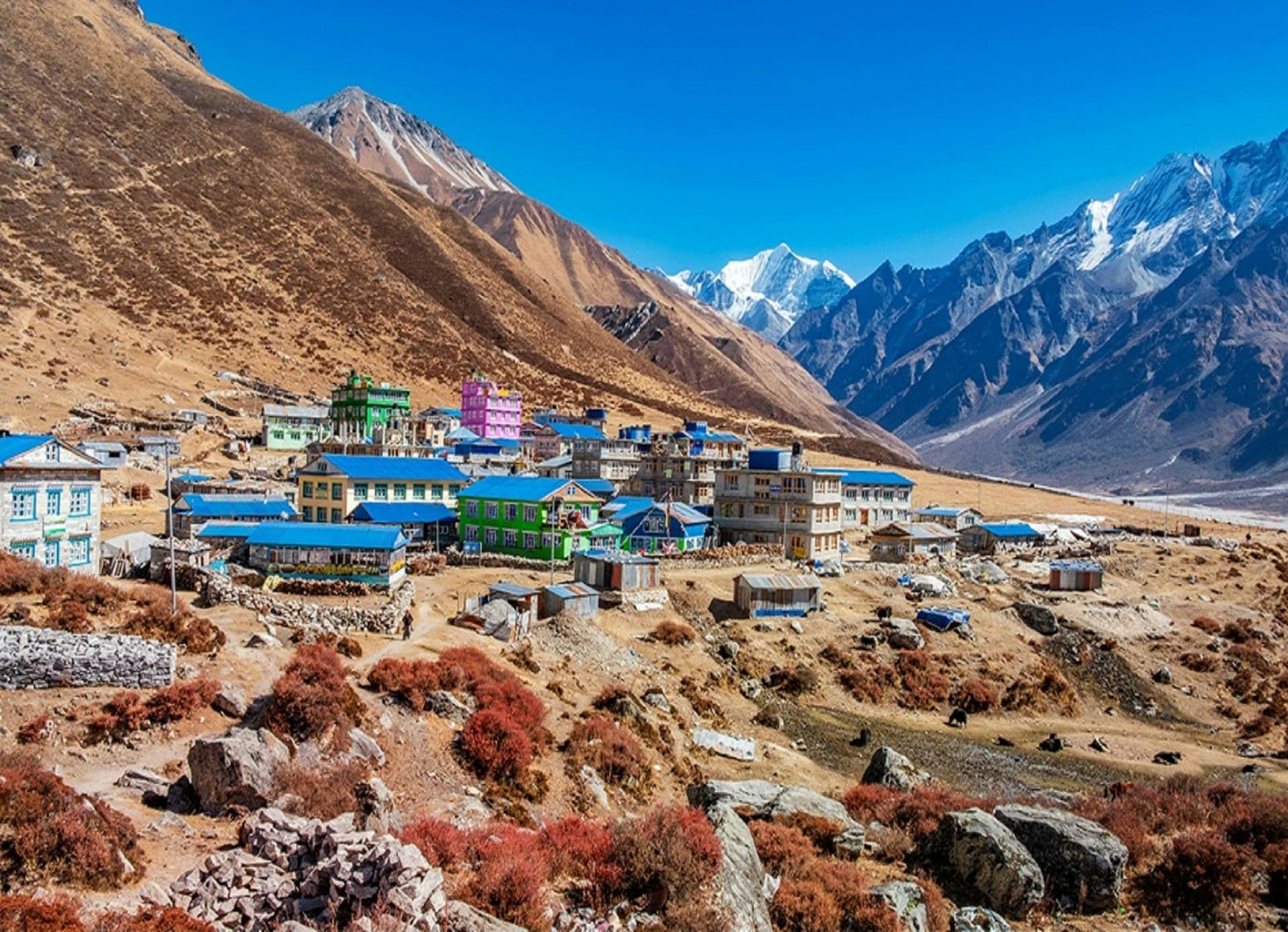
Consider shorter or lower-altitude treks like Poon Hill or Langtang if you're unsure.
Bonus: What to Do After the Trek
Once you’ve conquered Everest Base Camp in the heart of winter, treat yourself:
- Pokhara: Milder weather, lakeside chill, warm cafés, massage therapy
- Chitwan: Jungle safaris in 25°C sunshine
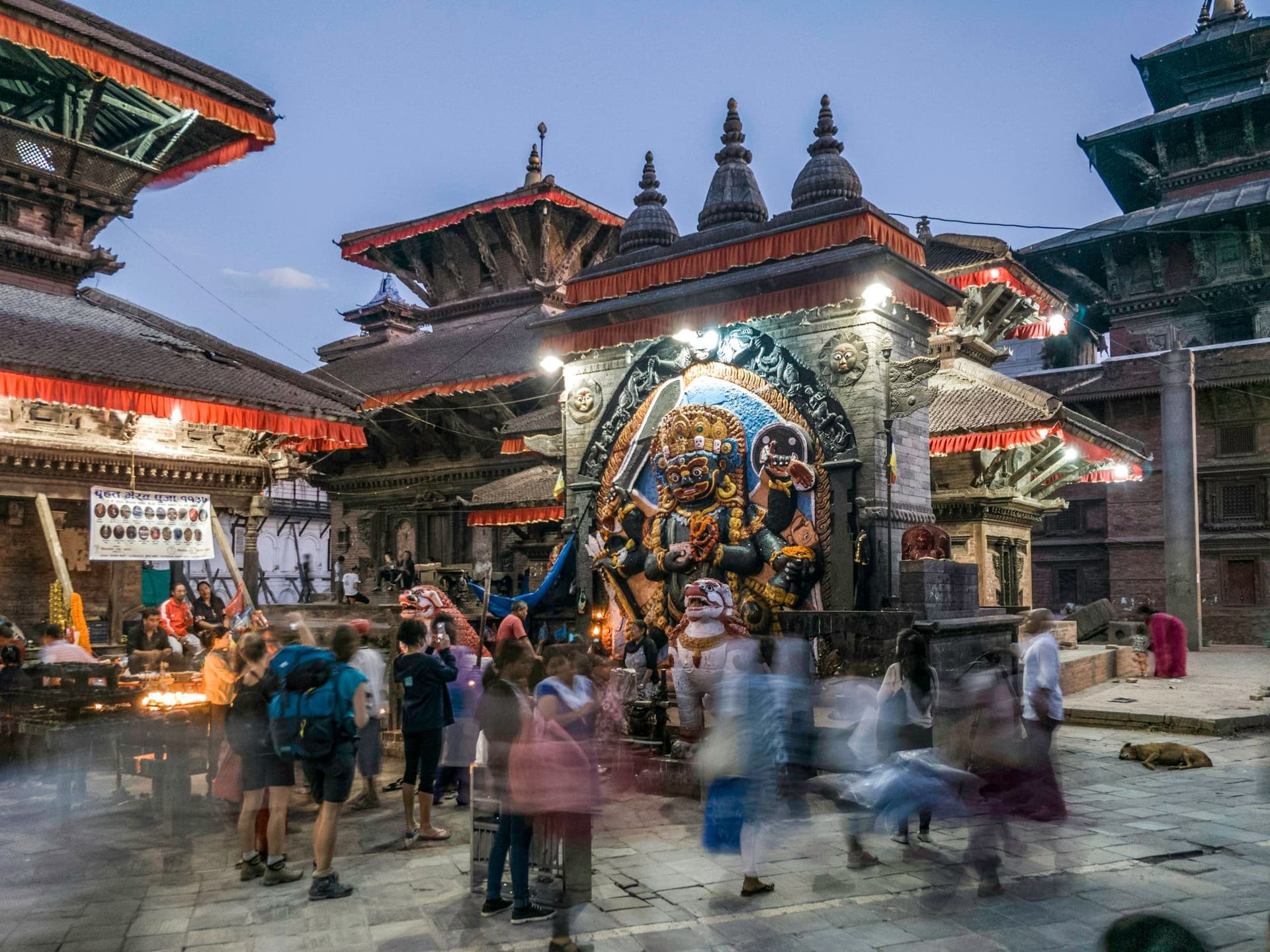
- Kathmandu: Rest your feet and explore culture-rich corners with fewer tourists
Final TrekHeaven Thoughts
Everest Base Camp in January isn’t for everyone. But if you want solitude, raw beauty, and a personal test of endurance, this is your trek. It strips away the noise, the crowds, and even the distractions. All that’s left is you, the trail, and the highest mountains on Earth.
So pack that down jacket, bring your courage, and leave your excuses behind.
👉 Plan your EBC trek in January with TrekHeaven
Because some dreams aren’t meant to wait for spring. They’re meant to be chased—even when it’s -20°C.
About the author
The Trek Heaven Editorial Team
Research & fact-checking
The Trek Heaven editorial team maintains the structured route, permit and cost data behind every page on this site. Figures are checked against government permit offices, national park authorities and operators on the ground, and each page carries the date it was last reviewed.
Writes about: Route data · Permits and regulations · Trip costs