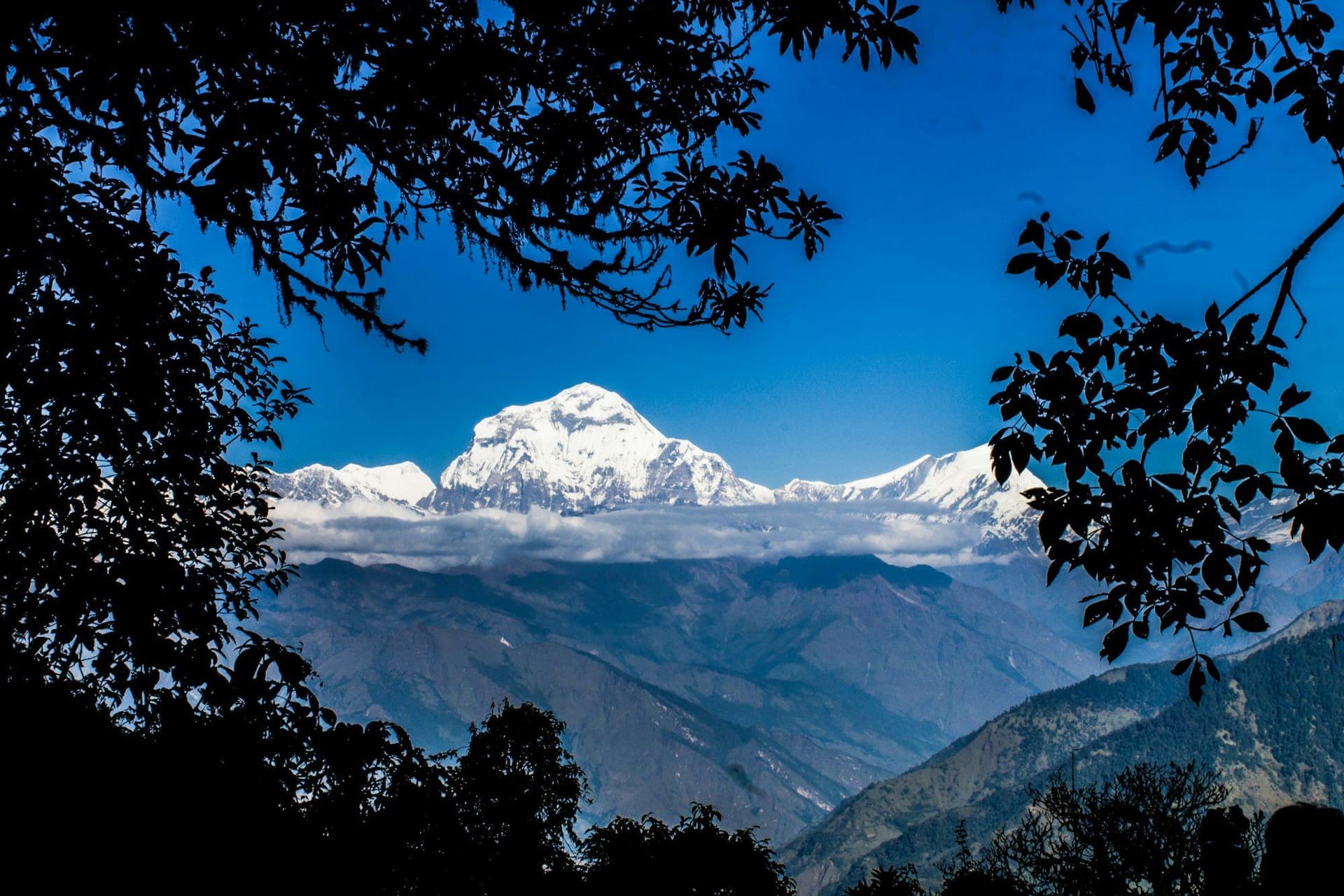
By the time November rolls in, the Everest Base Camp trail starts to slow its heartbeat. The crowds of October thin out, the skies stay just as brilliant, and the air begins to carry a quiet chill that whispers, “Winter is coming.” But for those who love crisp mountain mornings and fewer footfalls on the trail, November might be the best-kept secret in the Himalayas.
Whether you’re planning to squeeze in a late-autumn adventure or wondering if it’s too cold to trek, this guide walks you through everything you need to know about doing Everest Base Camp in November—and why it’s worth it.
Why Trek EBC in November?
✅ Fewer People, More Solitude
The main rush dies down after mid-November. Teahouses aren’t packed, and trails are blissfully less crowded. You’ll still meet other trekkers, but you might finally get that peaceful tea-with-a-view moment all to yourself.
✅ Clear Views Continue
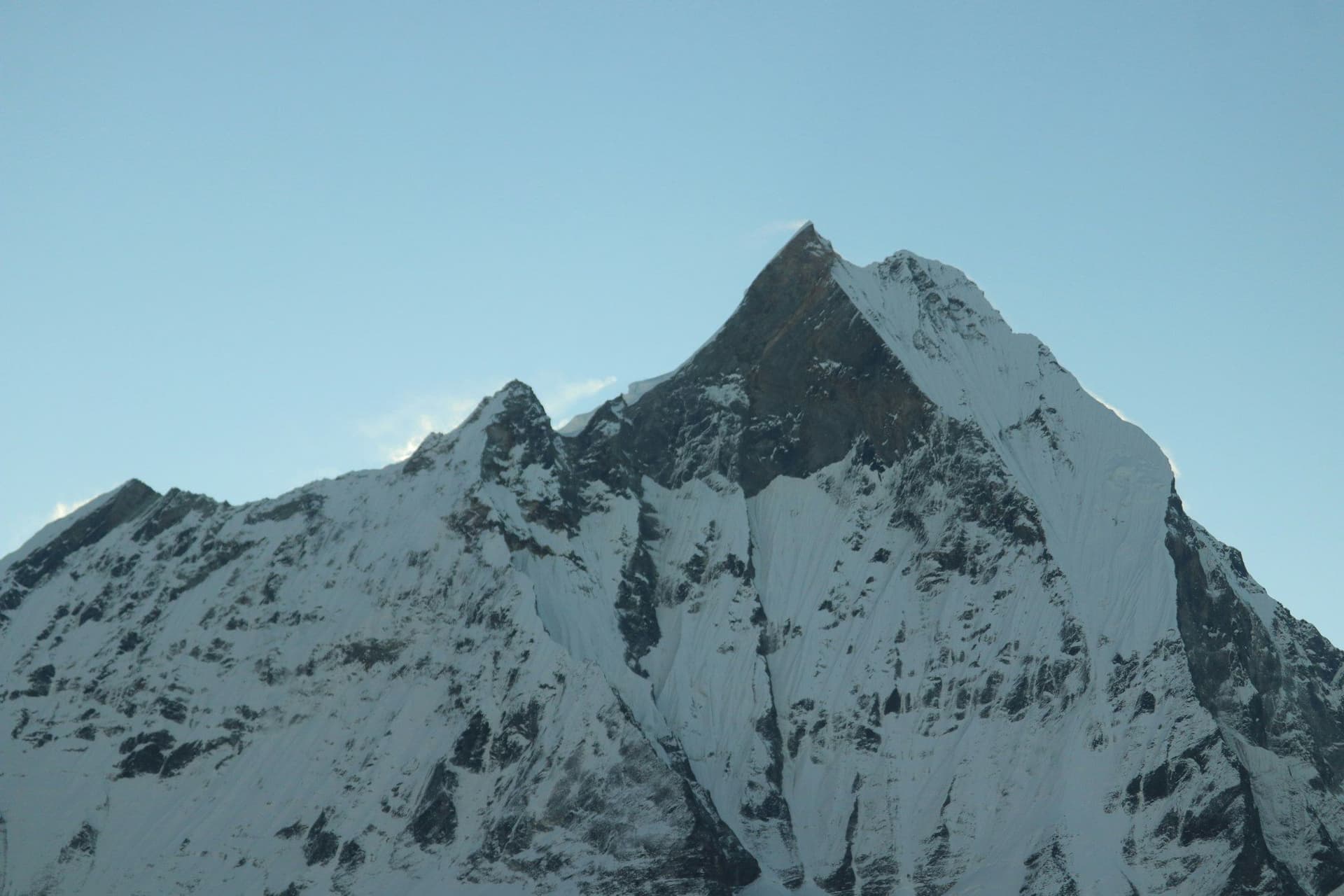
October gets the fame, but November is just as spectacular. The skies remain clear almost all month, and the views of Everest, Lhotse, and Ama Dablam are just as soul-stirring.
✅ Sunset Season
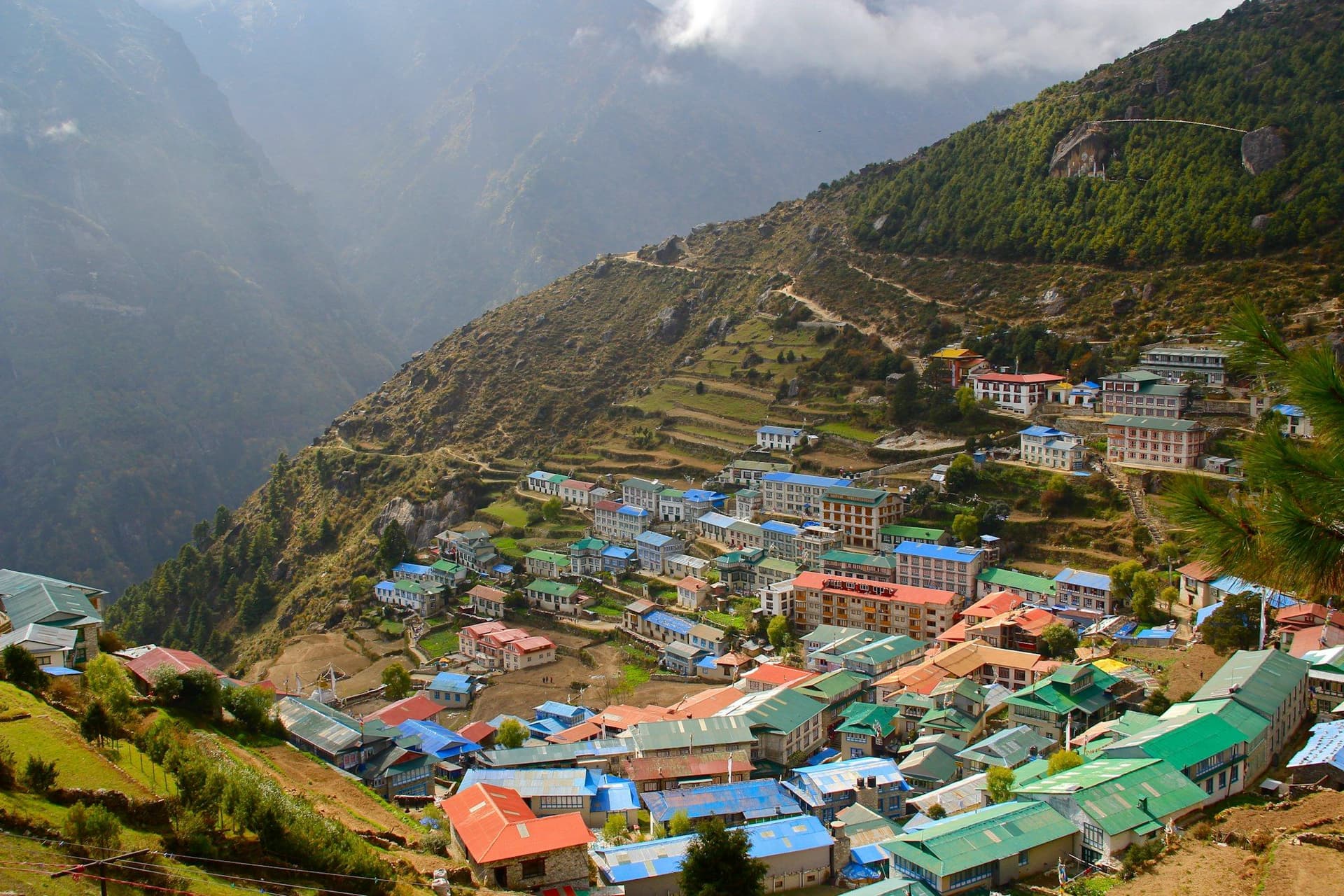
Longer shadows and golden hour lighting make this a dream month for photographers. The sunsets in Namche and Dingboche are magical, and Kala Patthar at dawn? Unreal.
Weather in November: Chill in the Air, Beauty in the Sky
Expect cold nights above 4,000 m. Snow is unlikely, but frost becomes common.
Trail and Teahouse Conditions
Still open, but slowing down:
- All teahouses from Lukla to Gorak Shep remain open, though some may start closing after mid-November.
- Water lines and pipes may freeze above 4,000 m.
- You may need to ask for boiled water (extra charge) and be ready for no running water in some villages after dark.
Lukla Flights: Still Reliable (Mostly)
Early November: Flights operate as usual with very low cancellation rates.
Tip: Book morning flights and build in an extra buffer day for weather delays.
Cost: $180–220 one-way, depending on agency and airline.
How Crowded Is It?
First half:
- Still busy in places like Namche and Tengboche.
- Kala Patthar sunrise? You’ll have company.
Second half:
- Perfect if you want space and solitude.
- Fewer trekkers = more relaxed pace and quieter nights.
Packing Tips for November
Essentials:
- 4-season sleeping bag (rated to -10°C or lower)
- Thermal base layers
- Down jacket
- Waterproof outer shell (windproof, snowproof)
- Insulated gloves and a good beanie
- Hand warmers or reusable gel packs
- UV protection – skies are super clear but UV index is high at altitude
Note: Lodge rooms don’t have heating. Pack to sleep warm even if your room feels like a freezer.
Costs in November
Slight price drops after mid-November:
Some lodges might offer discounts or better rooms after mid-month.
Pros & Cons of EBC in November
Pros:
- Epic skies and mountain views
- Less crowded trails
- Cool, dry trekking weather
- Great sunrise and photo lighting
- High lodge availability in late November
Cons:
- Colder nights, especially after Tengboche
- Shorter daylight hours (sunset around 5:15 PM)
- Some lodges begin to close by late November
November Safety Tips
- Don’t underestimate the cold. Even with sunny days, altitude winds can cut through thin layers.
- Acclimatize properly – cold and altitude stress together increase risk of AMS.
- Carry snacks and water – with fewer trekkers, some teahouses may offer limited menu options.
- Start early – finish your trek for the day by 2–3 PM for better warmth and lighting.
Final Thoughts from TrekHeaven
If October is the superstar, November is the soulful acoustic version. It’s quieter, more introspective, and filled with golden hour light and big mountain moments that linger in your memory.
You’ll trade the busy buzz for a slower, richer experience where the mountains whisper rather than roar. If you're prepared for the chill and dream of Everest without the queues, November might just be your perfect month.
Need help planning a November EBC trek? Whether it’s gear rental, local guides, or late-season lodge availability, TrekHeaven’s got your back. Reach out anytime.
About the author
The Trek Heaven Editorial Team
Research & fact-checking
The Trek Heaven editorial team maintains the structured route, permit and cost data behind every page on this site. Figures are checked against government permit offices, national park authorities and operators on the ground, and each page carries the date it was last reviewed.
Writes about: Route data · Permits and regulations · Trip costs