You’ve dreamed about trekking to Everest Base Camp. You’ve got the thermals, the trekking boots, and the playlist. But then someone drops the dreaded warning:
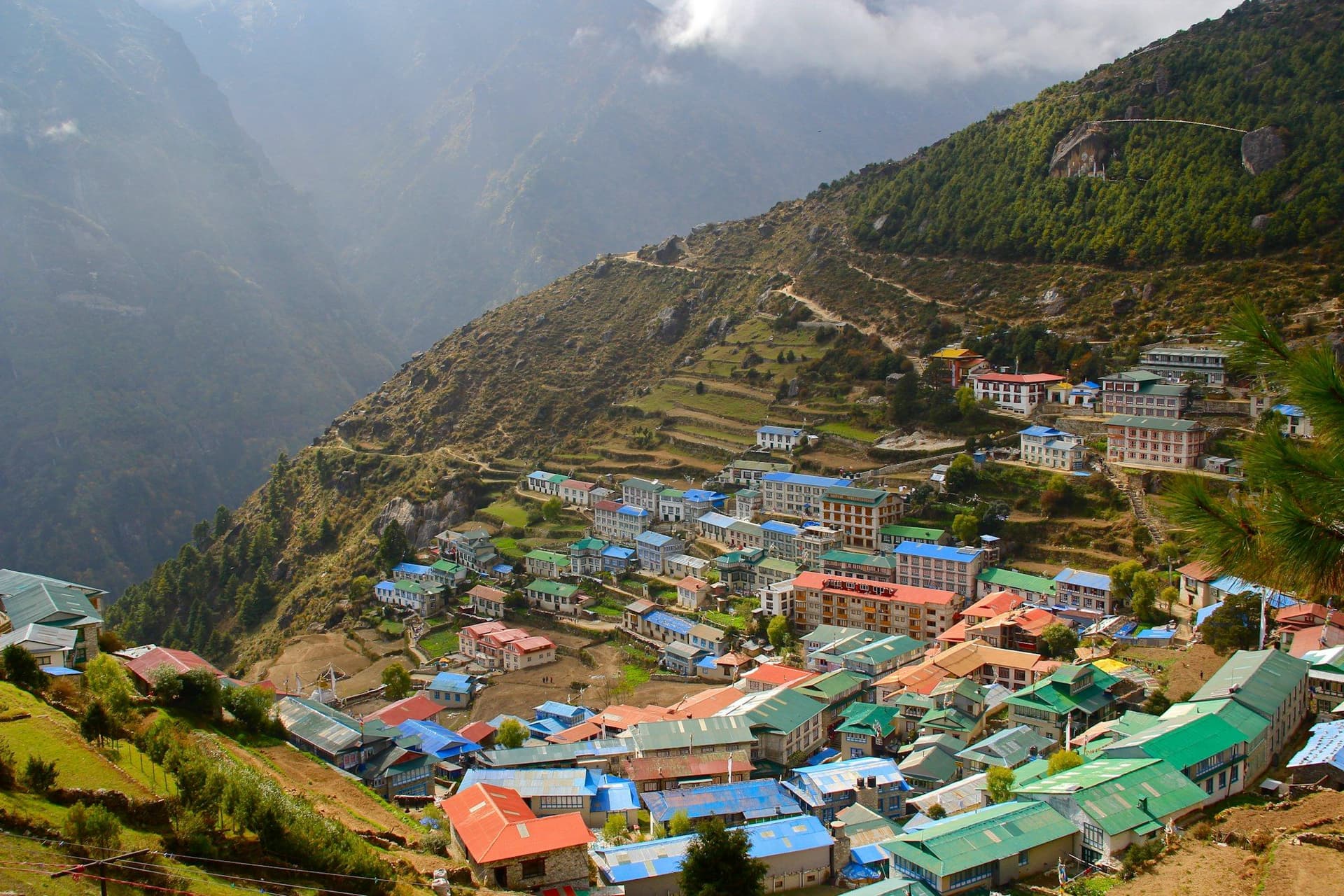
“Half our group got food poisoning at Namche…”
Suddenly, you’re not worried about altitude. You’re worried about your stomach staging a full-scale rebellion halfway up the Himalayas.
Let’s cut through the trail talk and get to the real causes—and how to stay healthy, safe, and upright all the way to Base Camp.
So, Why Do Trekkers Get Food Poisoning?
Here’s the thing: most food poisoning on the trail isn’t from “bad food.” It’s usually the result of poor hygiene practices, cross-contamination, or risky food choices in a remote area where refrigeration and water treatment are minimal.
Top Offenders:
- Meat: Avoid it. Seriously. All meat is carried up on foot or mule and can go days without proper refrigeration. That momo might be more dangerous than the glacier.
- Uncooked or undercooked food: Salads, unpeeled fruits, dairy products, and spicy unfamiliar dishes may upset your gut.
- Unwashed hands: Yours. The cook’s. Fellow trekkers’. Sanitize like you’re being judged.
How to Avoid Getting Sick on the Trail?
Here’s your food-poisoning prevention checklist—bookmark it, print it, tattoo it on your forearm if you must:
1. Skip the Meat
Nearly every trekker who got sick said the same thing: “I knew I shouldn’t have had that chicken.” Go full vegetarian while trekking. Dal Bhat all day, every day—it’s fresh, filling, and your safest bet.
2. Wash. Your. Hands.
This is the most underrated and effective thing you can do. Bring hand sanitizer and use it:
- Before every meal
- After every bathroom break
- After handling money, gear, or communal teahouse menus
3. Eat It Cooked (And Hot)
Stick to hot, well-cooked meals like:
- Veg fried rice
- Boiled potatoes and eggs
- Veg noodle soup
- Dal Bhat (of course)
Avoid anything lukewarm, reheated, or “fresh” that hasn’t been boiled or fried within an inch of its life.
4. Trust Boiled Beverages
Tea is your friend. It’s made with boiled water, served hot, and helps you stay hydrated. Bonus points for ginger tea—it can settle your stomach and ward off nausea.
5. Be Cautious with Dairy
That fresh yak cheese or creamy milk chai may charm your tastebuds but wreck your stomach. Some trekkers avoid dairy altogether, or at least test tolerance slowly.
6. Skip the Street Snacks (Even in Namche)
We get it—Namche Bazaar has amazing bakeries and cafés. But try to avoid indulging in non-lodge food or treats sitting out uncovered all day. This is where many trekkers get unlucky.
7. Bring Backup
Pack a first aid kit with:
- Imodium (for diarrhea)
- Ciprofloxacin (prescription antibiotic for bacterial stomach issues)
- Rehydration salts or electrolyte tablets
You may never need them—but if you do, you’ll be glad you packed smart.
💬 Real Advice From Real Trekkers
“I’ve trekked EBC nearly 10 times. I stick to dal bhat, never touch meat, and always sanitize before meals. Haven’t been sick once.”
“I avoided meat, drank only boiled water or tea, and brought antibiotics just in case. Keeping it simple really helped.”
“Got food poisoning in Namche despite avoiding meat. Probably from eating out at a restaurant instead of my lodge. Lesson learned—be careful even in towns.”
“No stomach issues for me—ate the same hot, cooked meals daily, no risky new foods, and washed my hands religiously.”
Is Water the Culprit?
Sometimes, yes. But on the EBC trek, the bigger issue is cross-contamination or food handling, not just the water itself. Many trekkers who only drank tea or purified water still got sick after eating improperly cooked or handled food.
Boiled drinks and soups are the safest options for both hydration and food safety.
Final Word: Stay Simple, Stay Safe
The golden rule? Don’t overthink your meals—just keep them hot, cooked, and clean. You’re not there to try culinary experiments—you’re there to reach Base Camp and feel great doing it.
Stick to what your stomach knows, treat your hands like enemy territory, and pack a little emergency medicine—just in case.
🌄 Planning Your Trek to Everest Base Camp?
At TrekHeaven, we help you prep like a pro. From food safety tips to gear guides, we’ve got the straight-up trail info you actually need.
📍 Visit trekheaven.com for more.
About the author
The Trek Heaven Editorial Team
Research & fact-checking
The Trek Heaven editorial team maintains the structured route, permit and cost data behind every page on this site. Figures are checked against government permit offices, national park authorities and operators on the ground, and each page carries the date it was last reviewed.
Writes about: Route data · Permits and regulations · Trip costs