Trekking in Nepal is a physically demanding adventure, but the level of fitness you need can vary depending on the trek you choose. Here's a general guideline to help you assess your fitness requirements:
Easy to Moderate Treks:
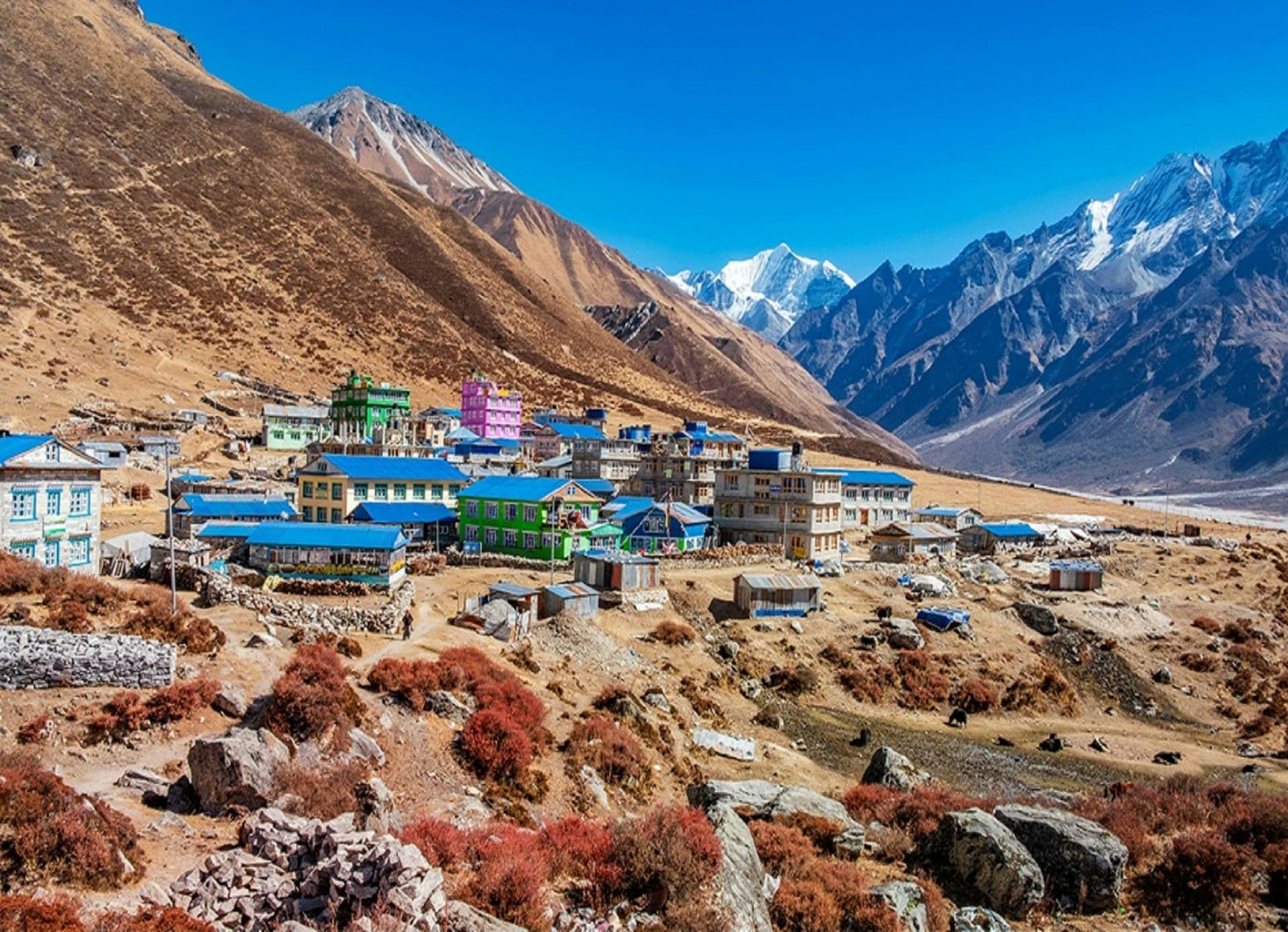
- If you're planning an easy to moderate trek like the Ghorepani Poon Hill Trek or the Langtang Valley Trek, a basic level of fitness is sufficient. You should be able to walk for 4-6 hours a day and handle some uphill and downhill terrain. Regular walking or light hiking practice can prepare you well.
Moderate to Challenging Treks:
- For treks like the Everest Base Camp, Annapurna Circuit, or the Annapurna Sanctuary, a moderate to good level of fitness is required. You'll be walking 6-8 hours a day, sometimes at high altitudes and on uneven terrain. Regular cardio exercises, endurance training, and strength training will be beneficial.
Challenging and High-Altitude Treks:
- Treks to remote regions and high-altitude treks like the Three Passes Trek or Makalu Base Camp Trek demand a high level of fitness. You'll be walking for 8-10 hours a day, dealing with steep ascents and descents, and reaching altitudes above 16,000 feet (4,877 meters). Regular aerobic fitness, strength training, and prior experience in high-altitude environments are highly recommended.
Remember These Tips:
- Start your training well in advance to build stamina and strength.
- Practice walking with a loaded daypack to simulate trekking conditions.
- Acclimatization is crucial for high-altitude treks. Plan your itinerary with rest days to adjust to the altitude.
- Stay well-hydrated and maintain a balanced diet while trekking.
It's important to listen to your body during the trek and not push yourself beyond your limits. Altitude sickness is a real concern in Nepal's high regions, so understanding its symptoms and taking necessary precautions is vital.
Ultimately, the key to a successful trek in Nepal is not just physical fitness but also mental resilience. A positive attitude, determination, and a love for the outdoors will go a long way in making your trek an unforgettable adventure. 🚶♂️🏔️💪
About the author
The Trek Heaven Editorial Team
Research & fact-checking
The Trek Heaven editorial team maintains the structured route, permit and cost data behind every page on this site. Figures are checked against government permit offices, national park authorities and operators on the ground, and each page carries the date it was last reviewed.
Writes about: Route data · Permits and regulations · Trip costs