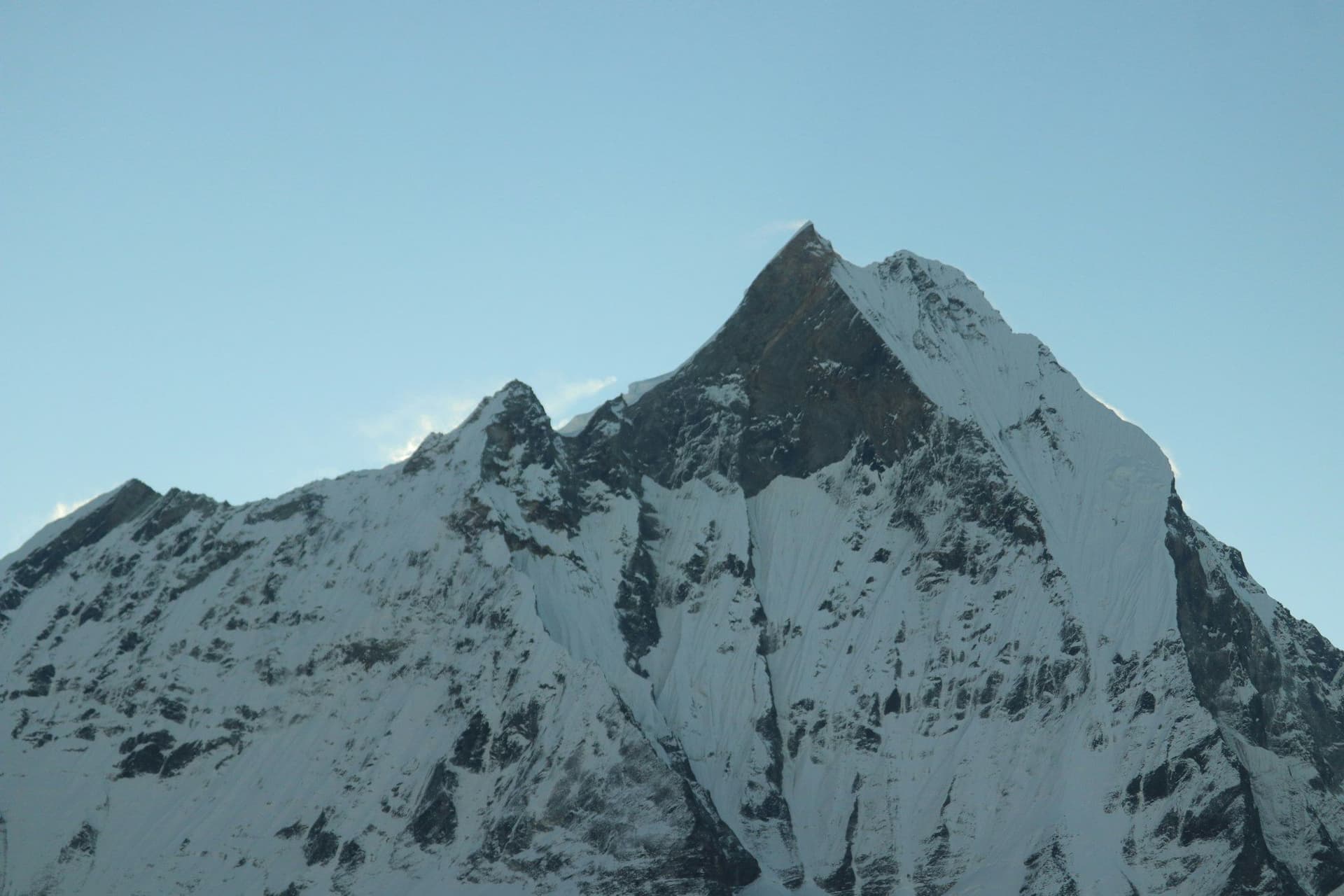
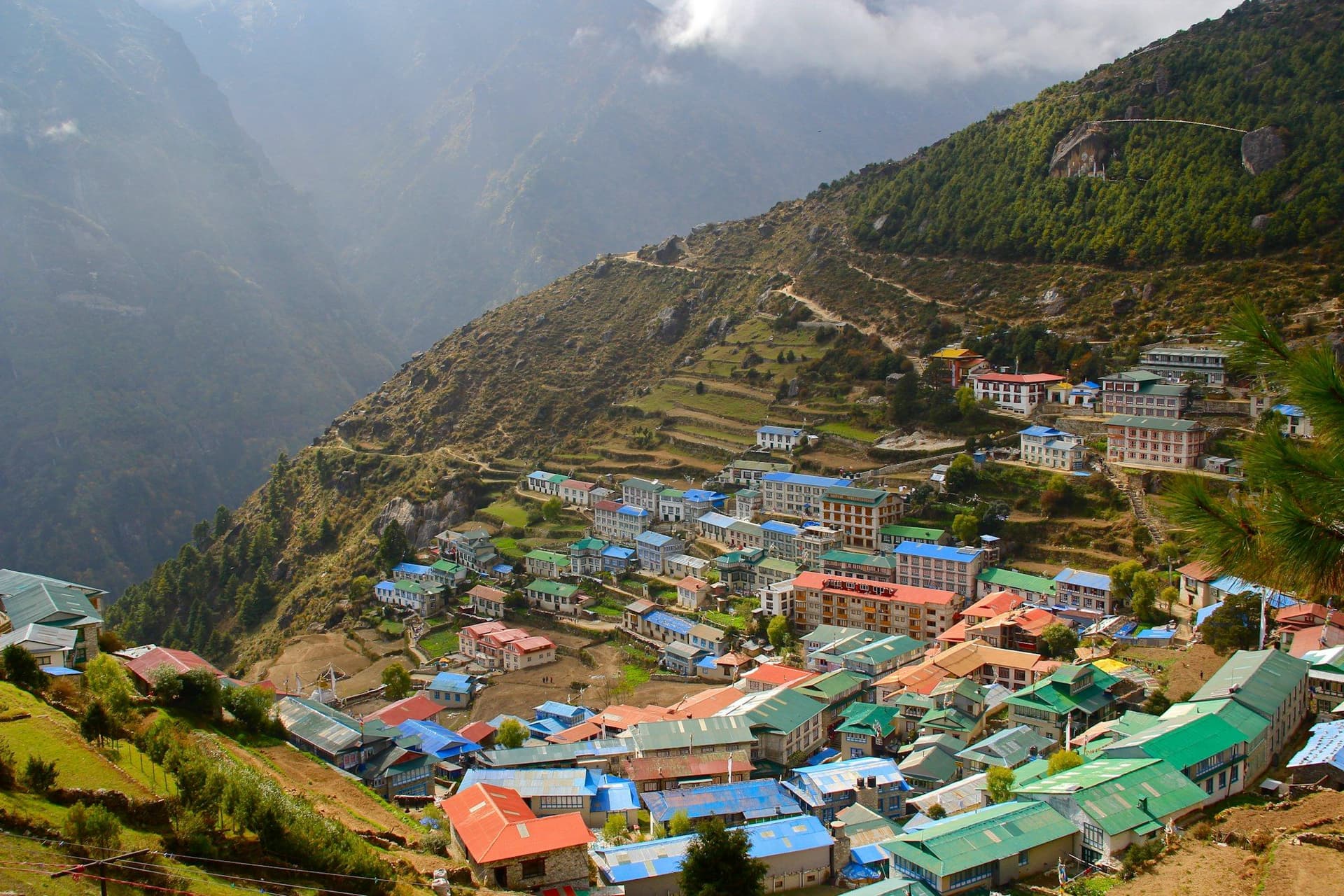
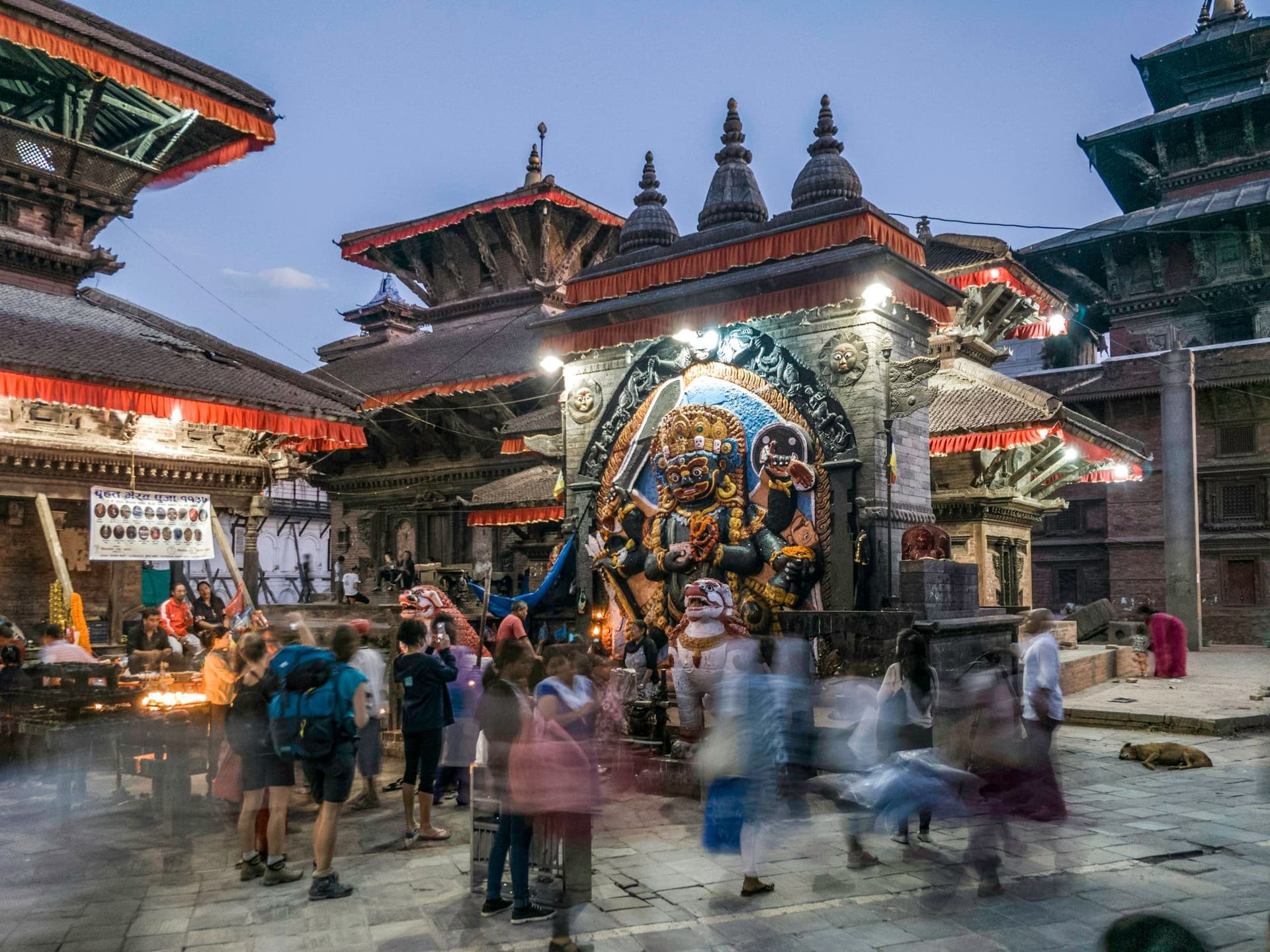
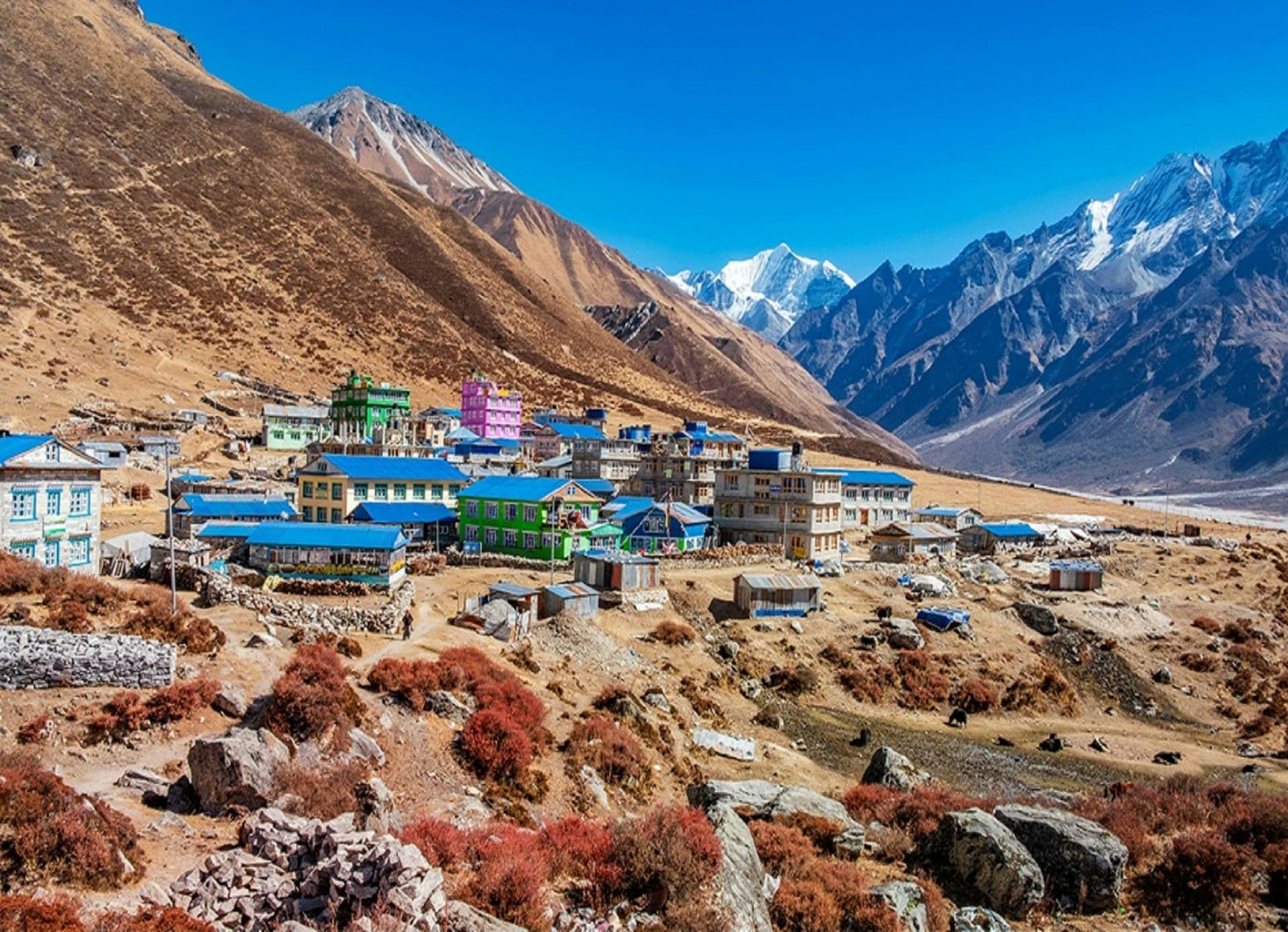
Yes, it's absolutely possible to trek independently in Nepal! The country offers a wide range of trekking routes and infrastructure that allows trekkers to explore the stunning landscapes without the need for a guide or a porter. Here's what you need to know about independent trekking in Nepal:
1. Trekking Routes: Nepal has a multitude of trekking routes, ranging from easy to challenging. Popular ones like the Annapurna Circuit, Everest Base Camp, and Langtang Valley are well-marked and have teahouse accommodations, making them suitable for independent trekkers.
2. Permits: Most trekking regions in Nepal require permits, and you can obtain these yourself. The specific permits you need depend on the region you plan to trek. The Annapurna and Langtang regions have more straightforward permit processes compared to restricted areas like Upper Mustang.
3. Maps and Navigation: Quality trekking maps are readily available in Nepal. These maps provide essential information on trails, teahouses, and elevations. A good map, a compass, and a GPS device can help you navigate.
4. Accommodations: Teahouses are prevalent along many trekking routes. These lodges provide meals, a warm bed, and often have hot showers and Wi-Fi. Booking a room at a teahouse can usually be done on the spot.
5. Supplies: You can buy supplies like trekking gear, food, and other essentials in major cities like Kathmandu and Pokhara. You can also rent trekking gear if you prefer not to carry your own.
6. Flexibility: Independent trekking allows you to be flexible with your itinerary, pace, and stops. You can adjust your schedule based on how you feel and the weather conditions.
7. Safety: While trekking independently is possible, it's crucial to be aware of potential risks, like altitude sickness and changing weather conditions. Familiarize yourself with safety measures and know the signs of altitude sickness.
8. Experience: Independent trekking is most suitable for those with some prior trekking experience and outdoor skills. Understanding basic navigation and camping skills can be beneficial.
9. Hiring Local Services: Even if you trek independently, you can still hire local services, like a porter, if you find your backpack too heavy to carry.
Remember that while independent trekking offers freedom and adventure, it also comes with responsibilities. Always respect local culture and nature, and make safety your top priority. If you're not entirely comfortable trekking alone, consider joining a trekking group or hiring a local guide. Whether you trek independently or with assistance, Nepal's breathtaking landscapes and warm culture will make your adventure unforgettable. 🌄🏔️🚶♂️
About the author
The Trek Heaven Editorial Team
Research & fact-checking
The Trek Heaven editorial team maintains the structured route, permit and cost data behind every page on this site. Figures are checked against government permit offices, national park authorities and operators on the ground, and each page carries the date it was last reviewed.
Writes about: Route data · Permits and regulations · Trip costs