If you’ve booked your Everest Base Camp trek, chances are you’ve already sorted boots, jackets, and maybe even a new camera. But here’s a less glamorous (and far more important) part of your packing list: medication.
A common question we hear from trekkers is:
The short answer is: yes, but thoughtfully. The longer answer is that antibiotics are just one piece of the medical kit puzzle. Trekking to 5,364 meters exposes you not just to altitude but to everything from dusty trails and stomach bugs to unexpected colds in crowded tea houses. Based on traveler experiences, here’s a realistic guide.
Core Medications Trekkers Recommend Carrying
Here’s what experienced trekkers have shared they packed (and often used):
- Altitude-related
Diamox (Acetazolamide) – for altitude sickness prevention and early treatment.
- Aspirin or Ibuprofen – for headaches (though hydration is still your best friend).
Stomach and digestion
- Antibiotics – for serious gastrointestinal infections or respiratory issues (consult a doctor for the right type and dosage before traveling).
- Diarrhea tablets (Loperamide, oral rehydration salts like Hydralyte).
- Constipation tablets – yes, altitude and diet changes can cause both ends of trouble.
Cold, flu, and infections
- Cold and flu tablets, cough lozenges, antihistamines – communal lodges make colds spread like wildfire.
- Antibiotic eye drops – dust and dry winds can trigger conjunctivitis.
- Creams – DermAid or antiseptic creams for skin irritations; Deep Heat for sore muscles.
General relief and supplements
- Paracetamol and Ibuprofen – standard painkillers for aches.
- Magnesium tablets or spray – for cramps.
- Garlic supplements – some trekkers swear it helps with altitude, though the science is mixed.
Trail safety and first aid
- Water purification tablets (Aqua Tabs) – never trust untreated water.
- Anti-blister tape and Band-Aids – your feet will thank you.
Do You Really Need Antibiotics?
Here’s the breakdown:
- Yes, for emergencies – Some trekkers reported needing antibiotics for skin infections, respiratory infections, or severe stomach bugs during long treks. Having a small course prescribed by your doctor can save your trek.
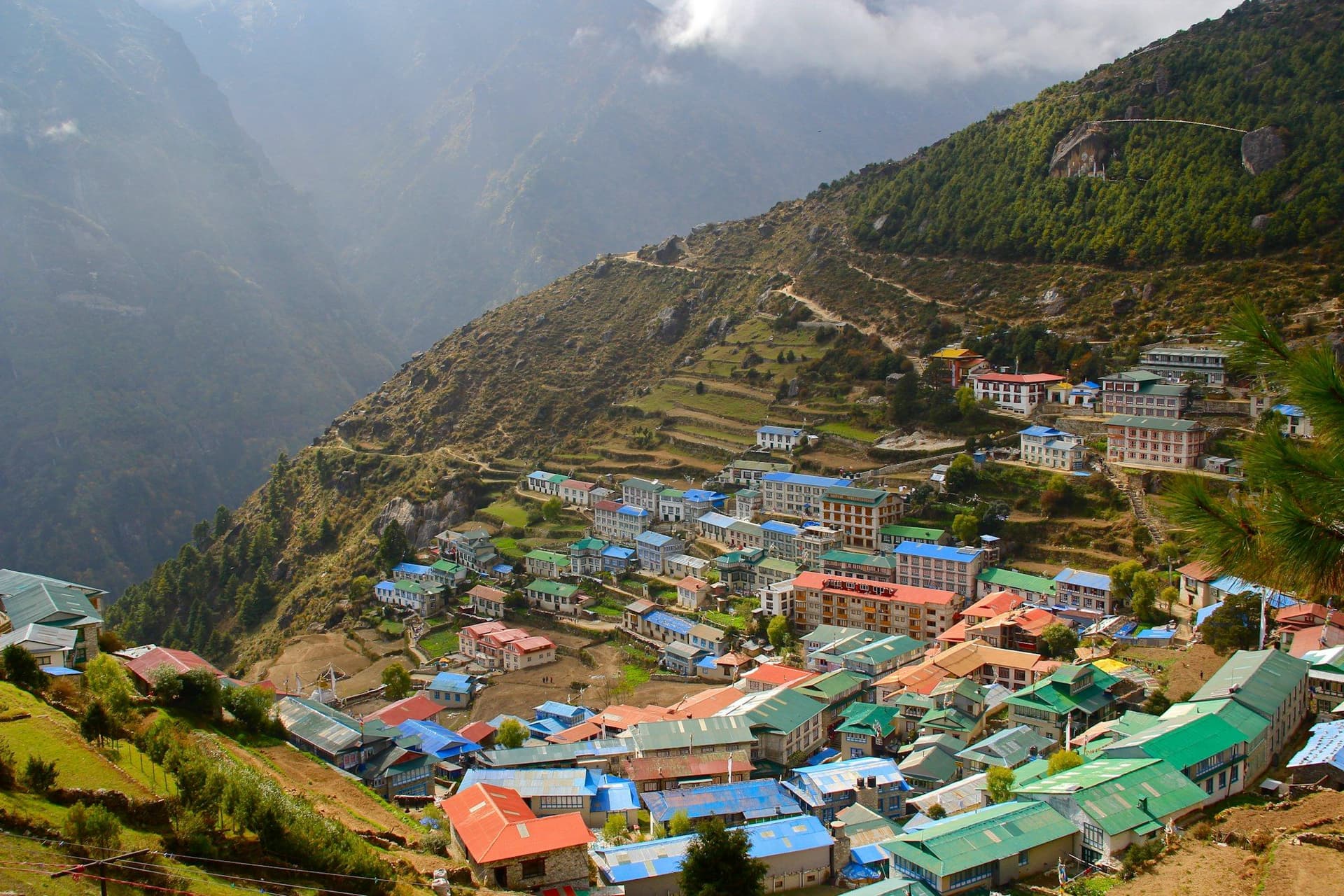
- Pharmacies exist on the trail – Namche Bazaar and Dingboche both have pharmacies where you can find common medicines, including Diamox. Still, quality and availability aren’t guaranteed.
- Personal comfort – If the idea of being stranded in a remote lodge with a raging infection keeps you up at night, bring them. But don’t self-prescribe—always consult your travel doctor beforehand.
On-the-Trail Reality Check
- Almost everyone gets a little sick – coughs, colds, stomach issues, or minor eye infections are common.
- Not everything in your kit will be used – one trekker carried half a pharmacy and only ended up using eye drops for dust.
- Balance is key – pack what you might realistically need without overloading your bag.
Pro Tips
- Visit a travel clinic before you fly. A doctor can tailor antibiotics and other meds to you personally.
- Keep meds in their original packaging with prescriptions—important for both customs and safe usage.
- Hydrate, eat well, and rest—prevention is still better than medication.
EBC Trek Medication Checklist
✅ Rule of thumb:
- Essentials = proven necessary for most trekkers (altitude, GI, pain, hydration, wounds).
- Optional = situational, based on personal health, trek style, and medical advice.
Medical Facilities on the EBC Trek: Clinics, Health Posts & the Everest ER
When you’re trekking EBC, medical help is available—but only in certain places, in limited capacity. It pays to know where the help is, and what it can and cannot do.
What This Means for Your Trek & Medical Kit
- Don’t rely on finding any clinic above Dingboche that can handle severe altitude sickness or greater complications.
- Everest ER is a comfort (for climbers especially), but it is not a hospital—it can’t replace good preparation.
- Always bring a first-aid kit with meds for at least these: altitude sickness (e.g. Diamox or as prescribed), pain killers, antibiotics (consult your doctor), diarrhea, blister care, etc.
- Travel insurance that explicitly covers evacuation by helicopter is essential. Even with medical posts, getting someone down from high altitude can be slow and urgent.
Final Word
Antibiotics on the EBC trek aren’t mandatory, but they’re often a smart backup. Combine them with a well-rounded personal medical kit, and you’ll be far more confident tackling the Khumbu trails. Remember: the best “medicine” on EBC is a steady pace, good hydration, and common sense.
About the author
The Trek Heaven Editorial Team
Research & fact-checking
The Trek Heaven editorial team maintains the structured route, permit and cost data behind every page on this site. Figures are checked against government permit offices, national park authorities and operators on the ground, and each page carries the date it was last reviewed.
Writes about: Route data · Permits and regulations · Trip costs