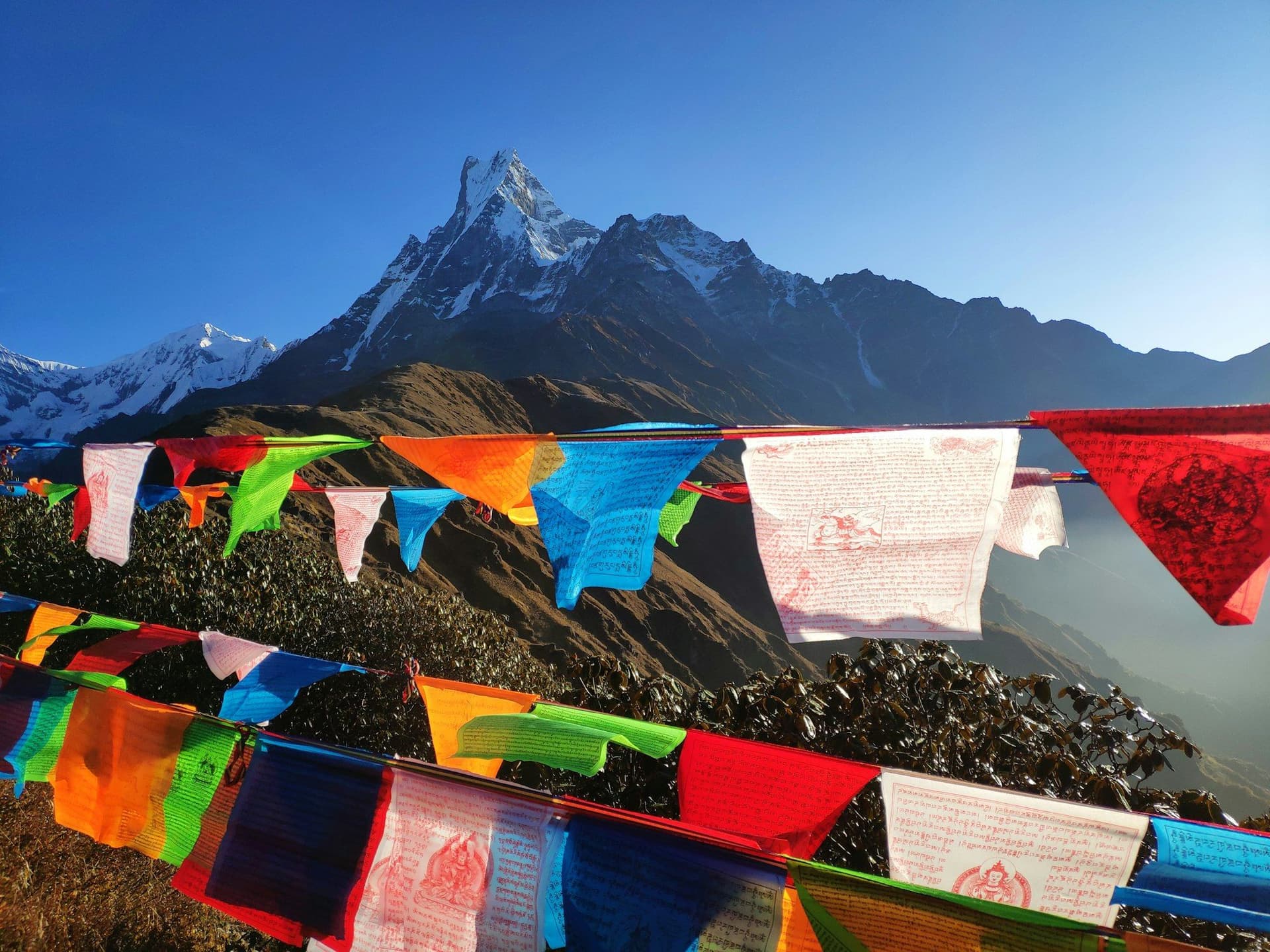
When trekking in Nepal, it's important to respect the local culture and customs. Observing cultural norms and practicing proper etiquette helps create positive interactions with the local communities and enhances your overall trekking experience. Here are some key cultural norms and etiquette to keep in mind:
- Greetings:
- Greet locals with "Namaste" with your palms together in a prayer-like position. It's a common way to say hello and show respect.
- Dress Modestly:
- While trekking, wear modest and appropriate clothing, especially when visiting villages and religious sites. Avoid revealing or tight clothing.
- Remove Shoes:
- When entering someone's home or a temple, it's customary to remove your shoes. Follow the locals' lead and ask if you're unsure.
- Right Hand for Eating and Giving:
- Use your right hand for eating, giving, and receiving items. The left hand is traditionally considered impure.
- Respect Religious Sites:
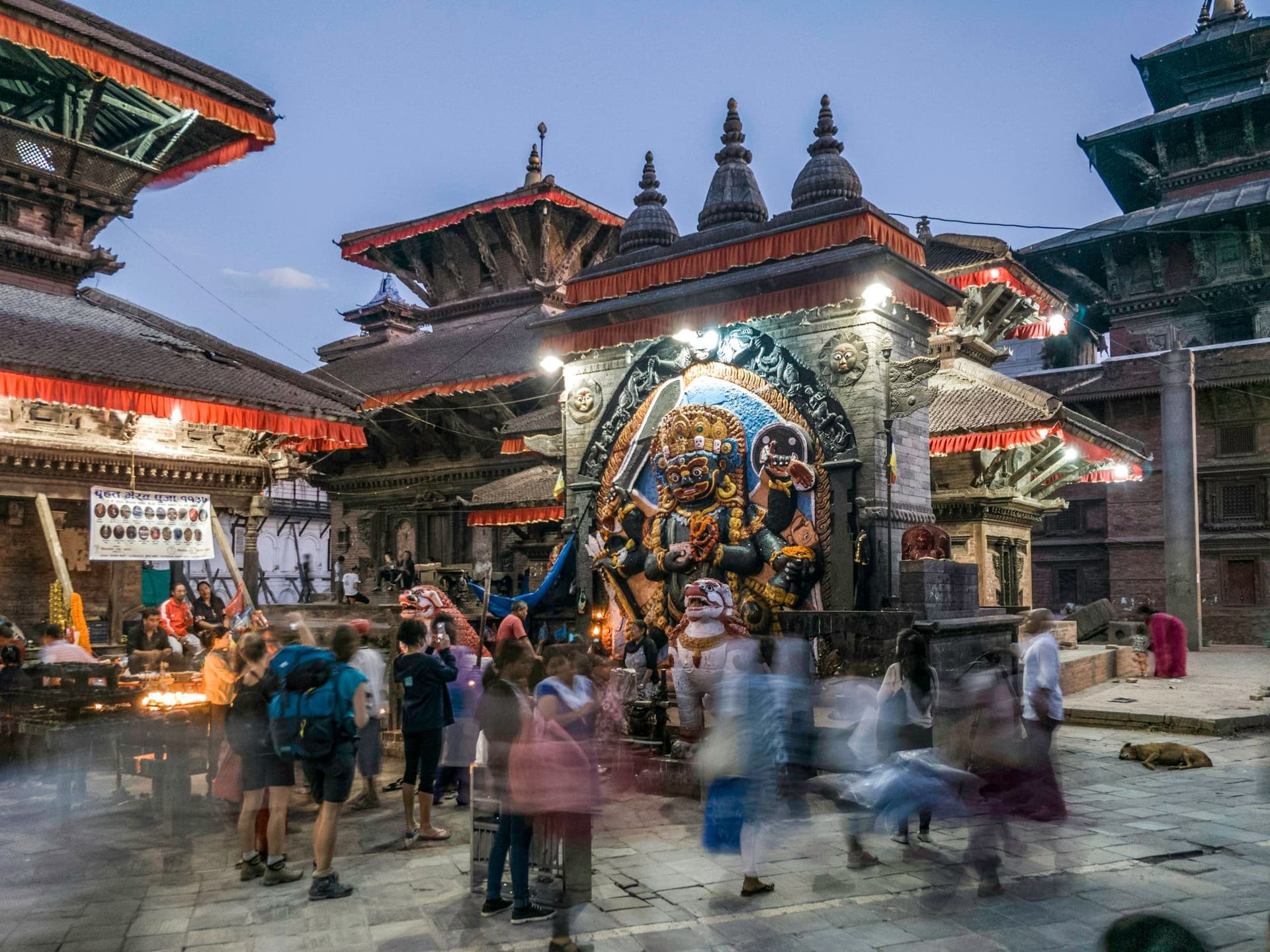
- When visiting monasteries, temples, and stupas, be respectful and follow any specific guidelines or rituals. Avoid pointing your feet at religious objects or people.
- Ask for Permission to Take Photos:
- Always ask for permission before taking photos of locals, especially children. In some cases, people may request a small fee for photos.
- Keep the Environment Clean:
- Dispose of your trash responsibly and follow the "Leave No Trace" principles. Avoid littering and respect the environment.
- Trekking Permits:
- Always carry the necessary permits and display them when required. Failure to have the proper permits can lead to fines or expulsion from protected areas.
- Respect Local Traditions:
- Be aware of local traditions and customs, especially during festivals or ceremonies. Respect the traditions and, when appropriate, participate with humility.
- Local Language:
Learning a few basic phrases in Nepali, such as "Namaste" and "Dhanyabad" (thank you), can go a long way in building positive interactions with locals.
- Tipping:
Tipping is customary in the trekking industry. Tip guides, porters, and teahouse staff for their services based on your satisfaction and their effort.
- Cultural Sensitivity:
Be sensitive to cultural differences, and avoid discussing controversial or sensitive topics. Be open to learning about the local culture and way of life.
- Water Use:
Be mindful of water usage, especially at higher altitudes where water may be scarce. Use water sparingly when bathing, washing, and brushing your teeth.
By adhering to these cultural norms and etiquette, you can show your respect for the local culture and build positive relationships with the people you encounter during your trek. This will not only enhance your trekking experience but also contribute to responsible and sustainable tourism in Nepal.
About the author
The Trek Heaven Editorial Team
Research & fact-checking
The Trek Heaven editorial team maintains the structured route, permit and cost data behind every page on this site. Figures are checked against government permit offices, national park authorities and operators on the ground, and each page carries the date it was last reviewed.
Writes about: Route data · Permits and regulations · Trip costs