Overview
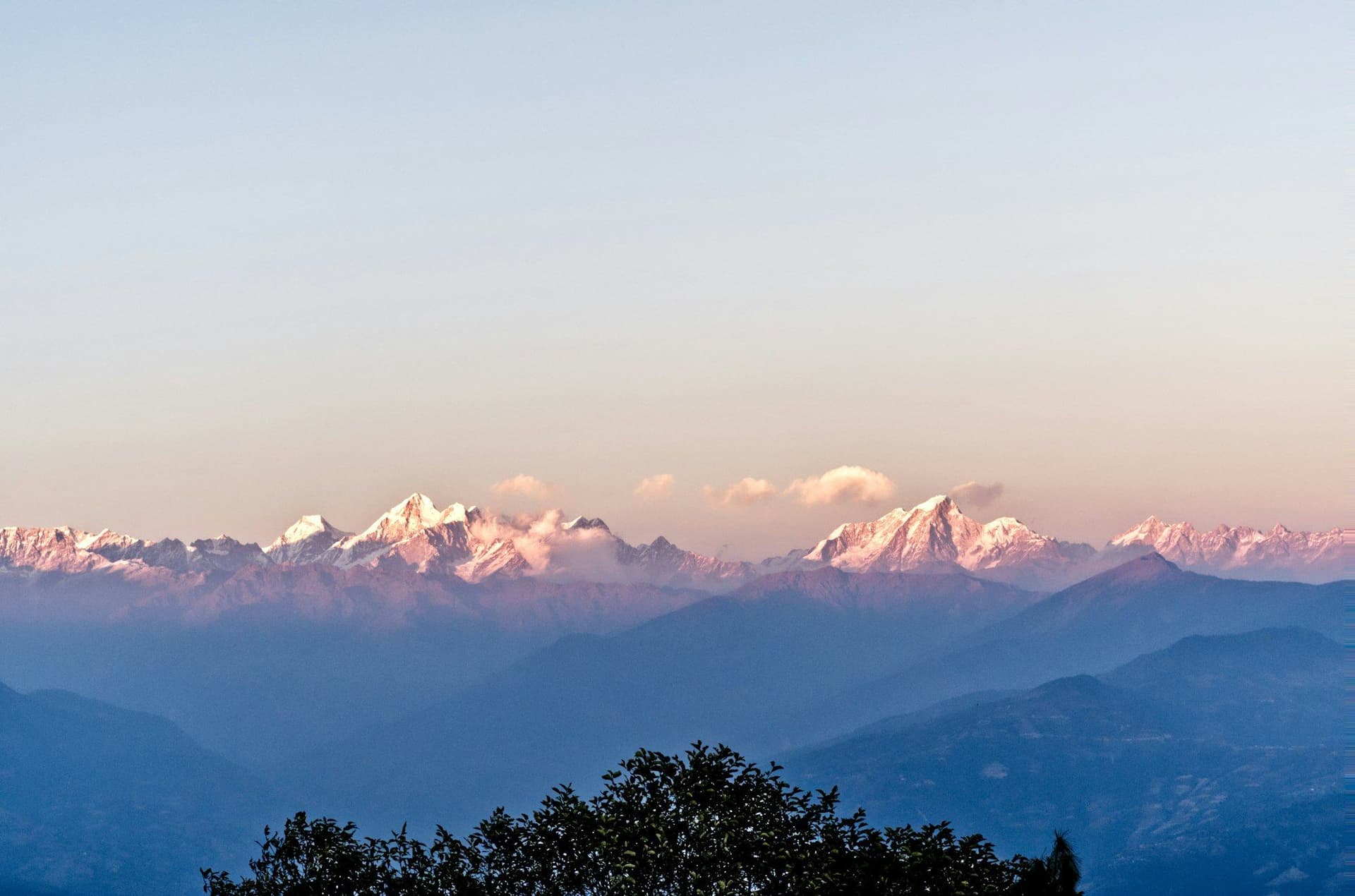
Two places, five days. Namo Buddha, on a ridge two hours east of Kathmandu, is one of the three great Buddhist pilgrimage sites in Nepal — the spot where a prince is said to have given his body to a starving tigress. Pharping, an hour south, is a cluster of cave shrines associated with Guru Rinpoche.
Between them sits a half day in a Patan metal workshop watching singing bowls being made by hand.
What the sessions are like
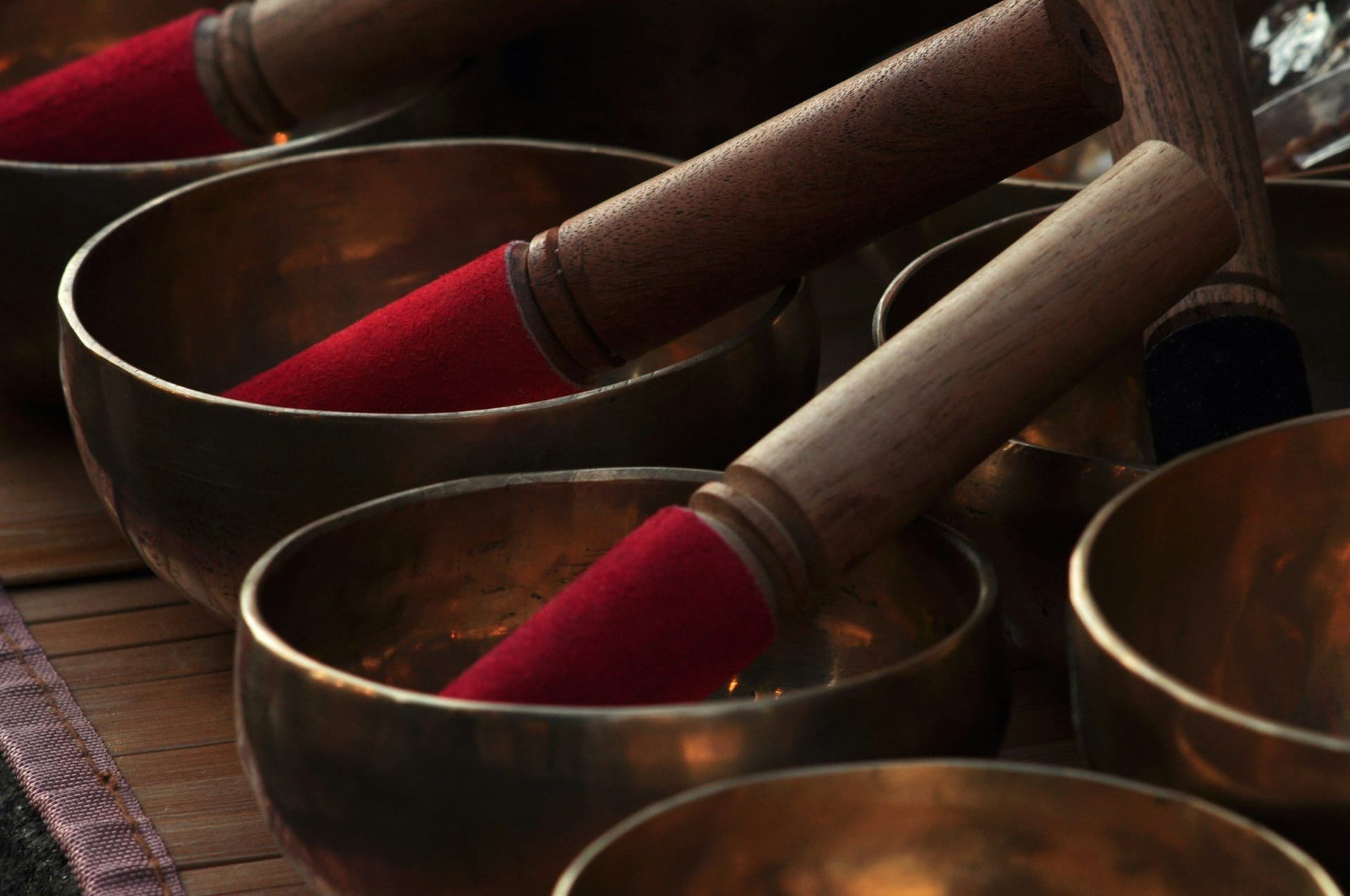
A sound bath is played, not performed at you: you lie down, and bowls of different sizes are struck and rimmed around and sometimes on the body. The low tones are felt in the chest more than heard. Sessions run forty minutes to an hour and most people lose track of time in them.
Mornings cover the mechanics — how a bowl is struck versus rimmed, why alloy and thickness change the overtone, why two bowls a tone apart produce a beat you feel rather than hear. You will play, and you will be bad at it, which is part of it.
The workshop
The Patan family have hammered bowls for three generations. This is a working shop — hot, loud, and the most interesting half day of the retreat. It is also where the honest history comes out: the metalwork is old, the therapy around it is mostly modern, and the makers say so more readily than the shops do.
What we don't claim
Sound work is relaxing and, for many people, unusually so. The evidence for anything beyond relaxation and stress reduction is thin. Nothing here is offered as treatment for illness, and nobody on this retreat will suggest otherwise.
Best season
February to April and September to December. Namo Buddha is at 1,750 m and the winter nights are cold in unheated monastery rooms. The monsoon is workable but the ridge sits in cloud for much of it.
Highlights
- Full sound bath in a monastery hall
- Watching bowls hammered by hand in Patan
- Namo Buddha, one of the three great Buddhist sites of Nepal
- Asura Cave and the Pharping self-arisen Tara
- Learning to play, badly, yourself
Day by day
The full 5 days
Where you are, what you do, how you travel and where you sleep — each day a structured record rather than a paragraph.
- Day 1
Kathmandu to Namo Buddha
Namo Buddha
- Drive out through Dhulikhel
- Thrangu Tashi Yangtse monastery and the stupa
- Evening introduction and first sound session
- Transport
- Private vehicle, 2 hours
- Sleep
- Monastery guesthouse, Namo Buddha
- Meals
- Lunch, dinner
- Time
- 5 hours
- Day 2
Namo Buddha — sound and silence
Namo Buddha
- Dawn meditation with the monastery
- Morning session on tone, overtone and how bowls are struck and rimmed
- Afternoon full sound bath in the hall
- Walk to the tiger cave site
- Sleep
- Monastery guesthouse, Namo Buddha
- Meals
- Breakfast, lunch, dinner
- Time
- Full day
- Day 3
Bowl-makers' workshop in Patan
Patan
- Half day with a family of bowl-makers — hammering, tuning, alloy
- Playing bowls of different ages and metals side by side
- On to Pharping in the afternoon
- Transport
- Vehicle, 2 hours in total
- Sleep
- Retreat house, Pharping
- Meals
- Breakfast, lunch, dinner
- Time
- 7 hours
This is a working metal shop, not a demonstration set up for visitors. It is loud, hot and completely absorbing.
- Day 4
Pharping
Pharping
- Asura Cave, where Guru Rinpoche is said to have meditated
- The self-arisen Tara on the rock face
- Extended evening sound session
- Sleep
- Retreat house, Pharping
- Meals
- Breakfast, lunch, dinner
- Time
- Full day
- Day 5
Closing session and return
Kathmandu
- Morning session and closing circle
- Return to Kathmandu
- Transport
- Vehicle, 1 hour
- Meals
- Breakfast
Map
Where this tour goes
Price
What $480–$900 covers
Four nights full board, all sessions and the workshop; private rooms at the higher rate
Included
- Daily sound sessions with practising bowl players
- Half-day workshop with a bowl-maker in Patan
- Four nights' accommodation with all meals
- Meditation instruction at Namo Buddha
- Private vehicle throughout
Not included
- Singing bowls you choose to buy
- Kathmandu accommodation before and after
- Travel insurance
Frequently asked questions
What does sound healing actually do?
Are Nepali singing bowls really ancient?
Should you buy a bowl?
Is it religious?
About the author
Tom Eriksen
Gear editor & photographer
Tom tests trekking equipment the only way that produces honest answers: by carrying it for weeks at a time above 4,000 metres. He shoots most of the photography on this site and writes the gear reviews, comparison tables and packing lists.
Writes about: Trekking gear · Photography · Packing and weight