Overview
Three medieval cities inside forty minutes of each other, all still lived in rather than preserved: Kathmandu, Patan and Bhaktapur. Woodcarving, metal casting, pottery and thangka painting are working trades here, not heritage displays.
Six days, small group, a working editorial photographer, and — the part that makes it a workshop rather than a photo tour — an edit and critique session every single evening.
The shape of the week
Mornings are early, because the squares belong to the people who live in them until about nine. Bhaktapur at 06:15 is a different place from Bhaktapur at eleven.
Afternoons are for edits. You shoot in the morning, you cut it down in the afternoon, and you defend the cut in front of seven other people. Most participants say this is where the week actually happens.
Portraits
Sessions are arranged in advance with a woodcarving family in Bhaktapur, and with metalworkers and thangka painters in Patan. These are paid, consented sittings in working studios — dark interiors, one window, and a good lesson in what available light can do.
Kit
One body, two lenses. A 35mm and an 85mm equivalent will cover the week. Bring a laptop; the edit sessions are half the point. Leave the tripod unless you particularly want it for the Boudhanath dusk session.
Ethics
Consent is asked, in Nepali, by a Nepali guide. Some places are closed to cameras — cremation ghats at Pashupatinath, certain temple sanctums — and that is stated plainly rather than left to your judgment.
Best season
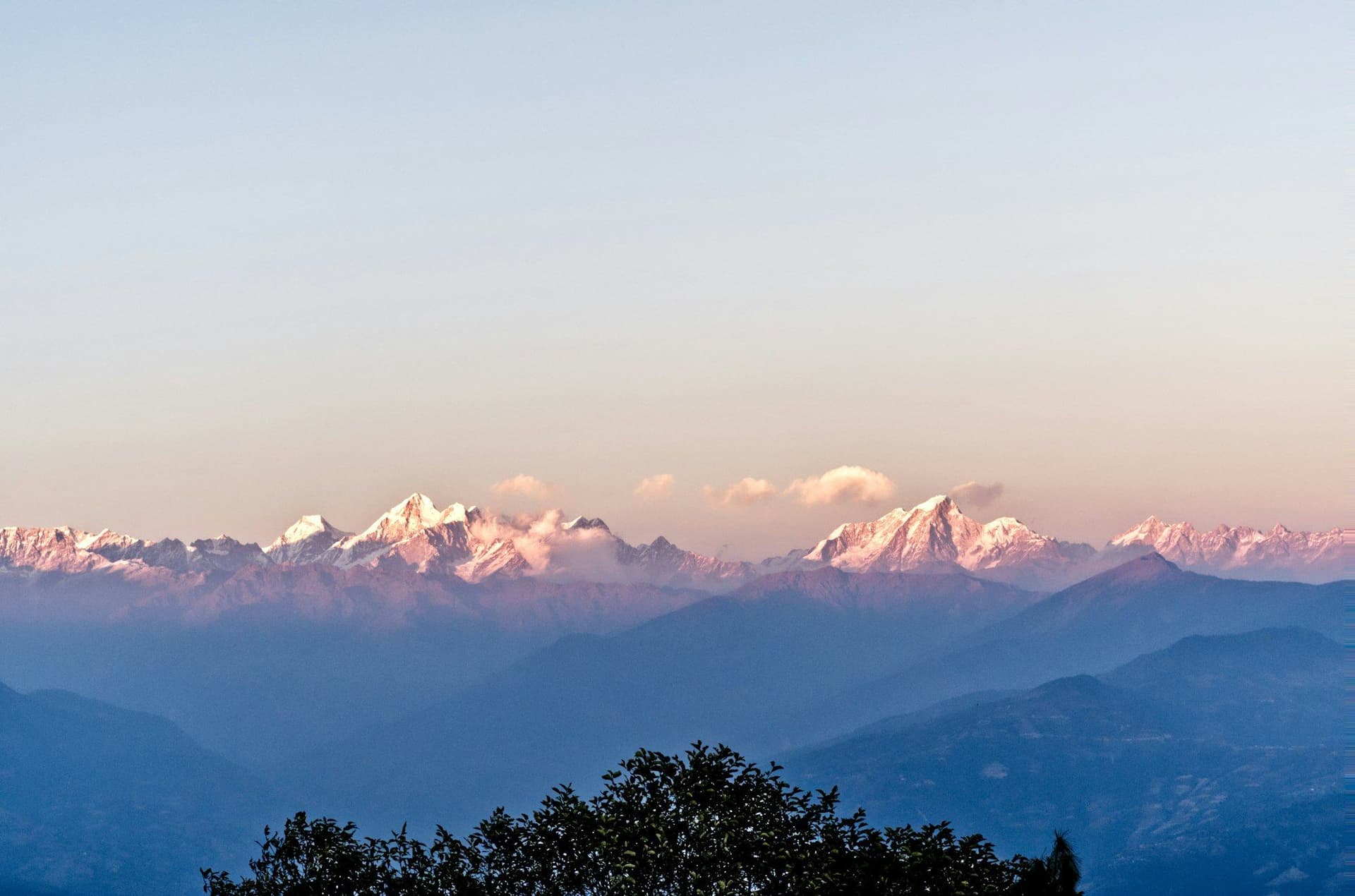
November to January for the clearest air and the most useful low sun of the year, October and February close behind. From March the pre-monsoon haze flattens everything.
Highlights
- Bhaktapur's squares at dawn, before anyone else
- Ason market at full pace
- Portrait sessions with potters, woodcarvers and metalworkers
- Boudhanath kora at dusk
- A daily edit review, not just shooting
Day by day
The full 6 days
Where you are, what you do, how you travel and where you sleep — each day a structured record rather than a paragraph.
- Day 1
Arrival, briefing and Patan at golden hour
Patan
- Kit check and a conversation about what you want from the week
- Patan Durbar Square in the last hour of light
- First edit session
- Sleep
- Hotel, Patan
- Meals
- Breakfast
- Time
- 5 hours
- Day 2
Kathmandu — market and street
Ason and Indra Chowk
- Ason at 07:00, working the crowd
- Indra Chowk, the bead market, low light and tight space
- Afternoon edit and critique
- Transport
- Vehicle to Kathmandu
- Sleep
- Hotel, Patan
- Meals
- Breakfast
- Time
- 8 hours
- Day 3
Bhaktapur at dawn
Bhaktapur
- In the squares by 06:15, before the coaches
- Pottery Square while the wheels are turning
- Portrait session with a woodcarving family
- Evening edit
- Transport
- Vehicle, 40 minutes
- Sleep
- Hotel, Patan
- Meals
- Breakfast
- Time
- 10 hours
- Day 4
Portraits and craft workshops in Patan
Patan
- Metalworkers' and thangka painters' studios
- Working with available light in dark interiors
- Long critique session on the portrait work
- Sleep
- Hotel, Patan
- Meals
- Breakfast
- Time
- 8 hours
- Day 5
Swayambhunath and Boudhanath
Kathmandu
- Swayambhunath at first light, the monkeys and the steps
- Boudhanath kora at dusk — movement, blur and decisive moments
- Final edit session
- Transport
- Vehicle
- Sleep
- Hotel, Patan
- Meals
- Breakfast
- Time
- 9 hours
- Day 6
Final review and departure
Patan
- Each participant presents a ten-image edit
- Group critique and take-away notes
- Meals
- Breakfast
- Time
- 3 hours
Map
Where this tour goes
Price
What $1,100–$1,650 covers
Five nights, all tuition, entry fees and transport; single supplement at the higher rate
Included
- Six days' tuition with a working editorial photographer
- Five nights' accommodation with breakfast
- All three Durbar Square tickets
- Arranged portrait sessions with craftspeople
- Daily edit and critique session
- Private vehicle between the three cities
Not included
- Camera equipment
- Lunches and dinners
- Prints
Frequently asked questions
What level is this pitched at?
What kit should you bring?
Is photographing people acceptable?
When is the light best?
About the author
Tom Eriksen
Gear editor & photographer
Tom tests trekking equipment the only way that produces honest answers: by carrying it for weeks at a time above 4,000 metres. He shoots most of the photography on this site and writes the gear reviews, comparison tables and packing lists.
Writes about: Trekking gear · Photography · Packing and weight