The two main seasons
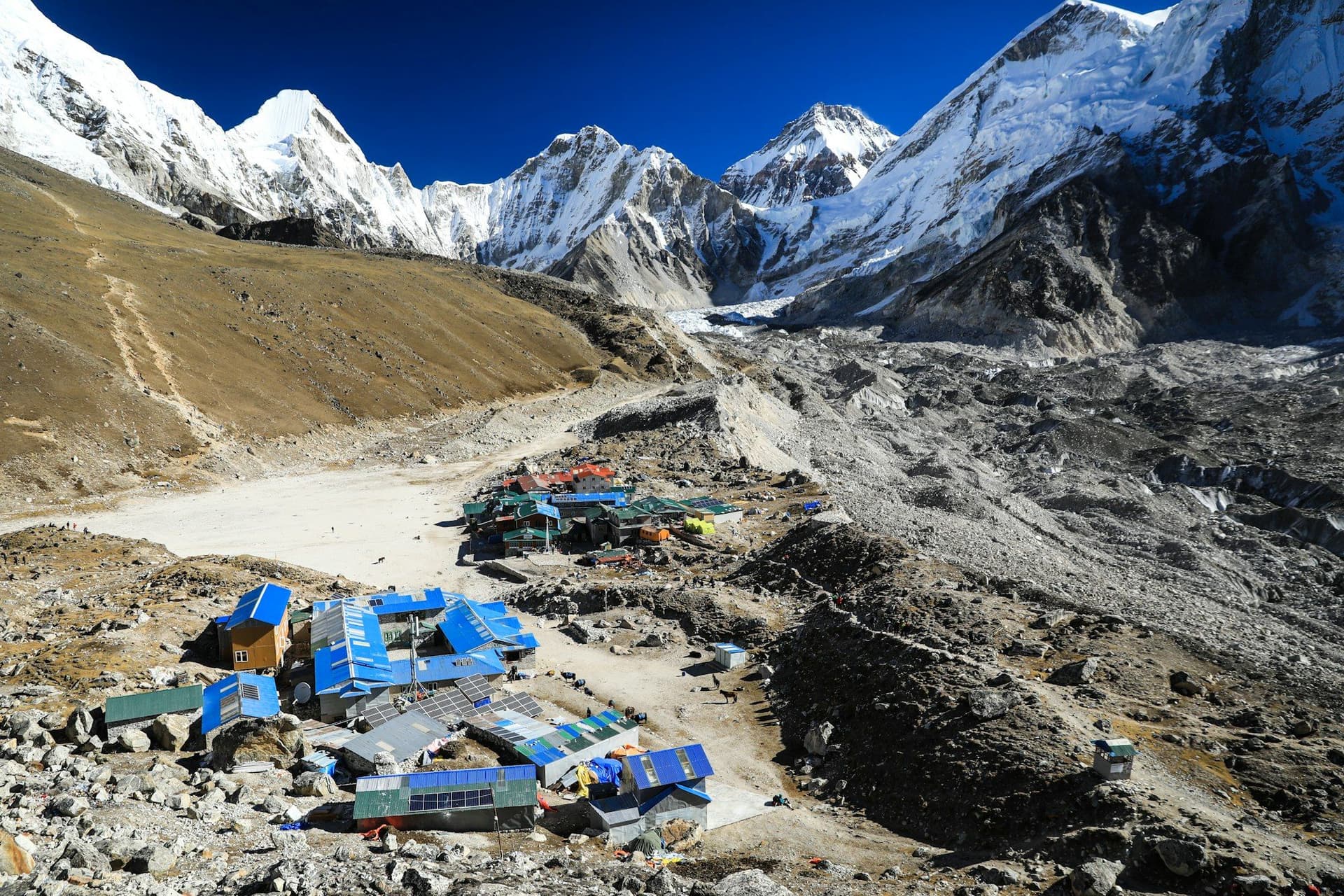
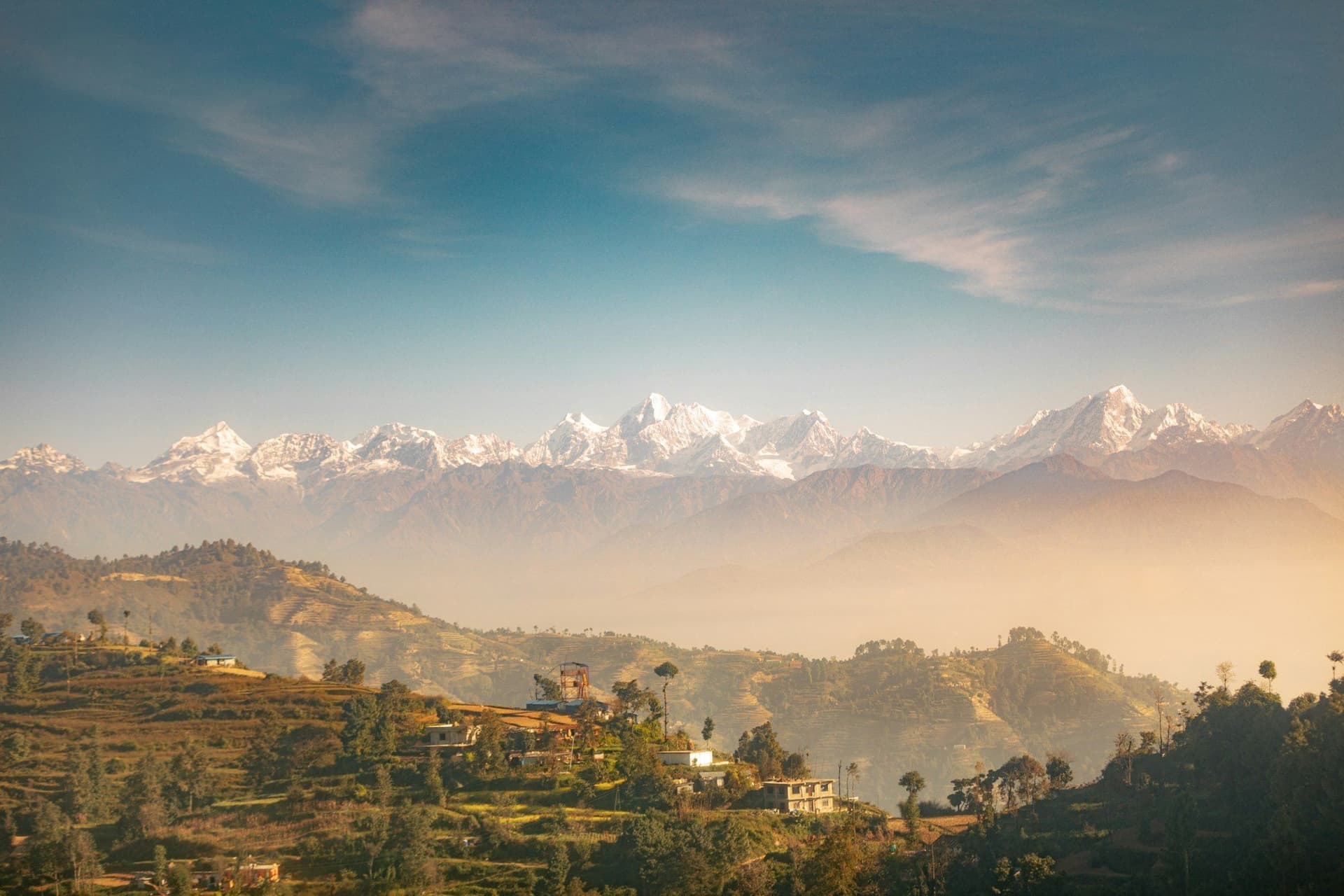
Nepal's trekking calendar is set by the monsoon. Post-monsoon (October to November) delivers the clearest air of the year and the most stable weather. Pre-monsoon (March to May) is warmer and hazier, with rhododendron in flower and the Everest climbing season underway.
Everything else is a trade-off around those two windows.
Month by month
January — Cold and clear. Excellent below 3,500 m; high passes snowbound. Trails almost empty.
February — Similar to January but warming. One of the best months for Langtang and the lower Annapurna routes.
March — The spring season opens. Rhododendron starts flowering at lower altitude by mid-month. Haze begins to build.
April — Warm, busy and beautiful. Peak rhododendron between 2,500 and 3,500 metres. Everest Base Camp is at its liveliest with the expedition season.
May — Hot at low altitude and increasingly hazy, but the high routes are warm and fully open. The last good window before the rain.
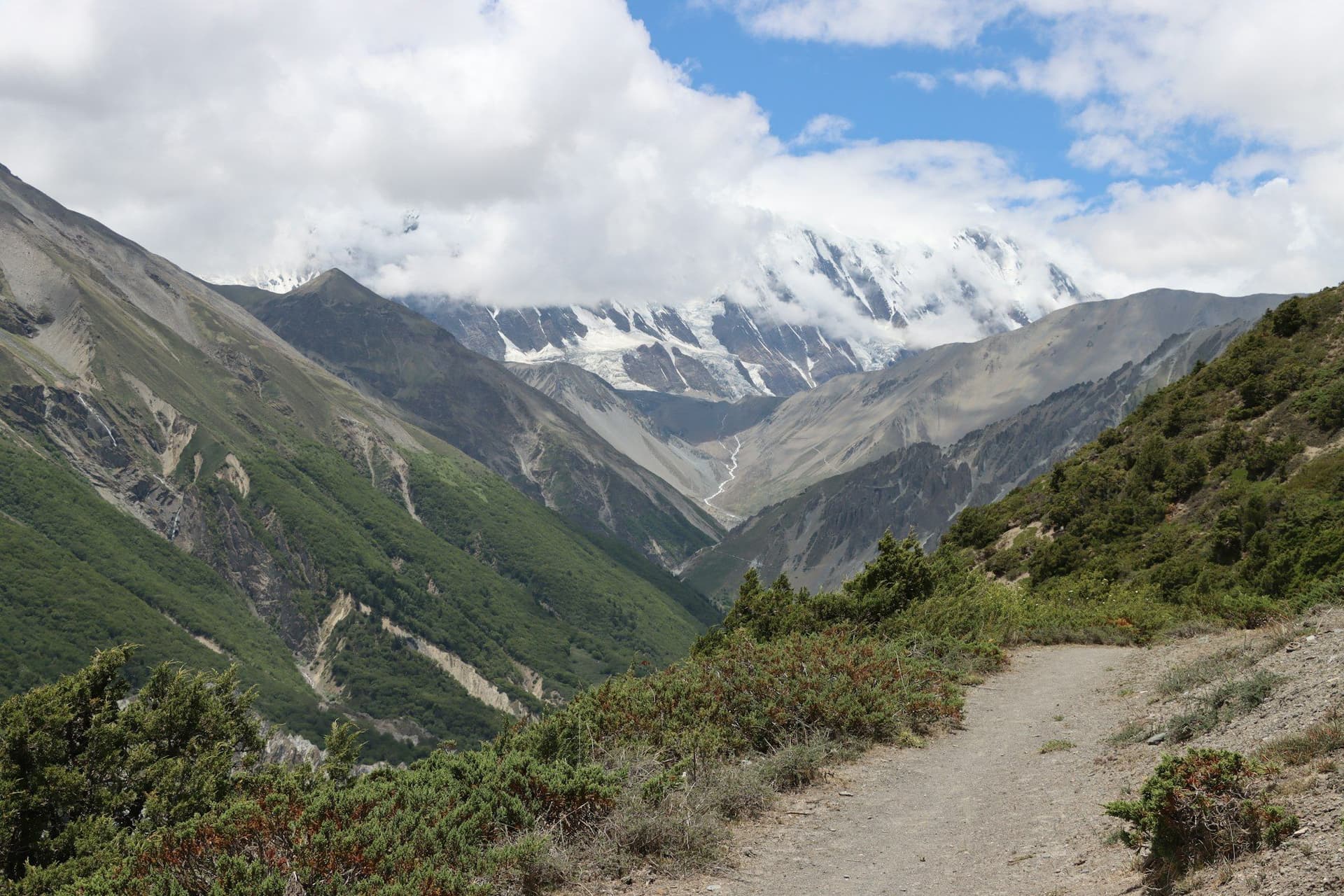
June to mid-September — Monsoon. Cloud, leeches, landslides and unreliable flights. Go to Upper Mustang or Dolpo, or go somewhere else.
Late September — The monsoon breaks. Unpredictable but often spectacular, and noticeably quieter than October.
October — The best month. Book Lukla flights and Thorong La lodges early.
November — Nearly as good and gradually colder. Crowds thin after the first week.
December — Cold, clear and quiet. Lower routes are superb; the high passes are closing.
Temperature by altitude
At 3,500 m expect daytime highs of 10–15 °C in October and overnight lows around freezing. At 5,000 m in the same month, nights fall to −10 to −15 °C. In December and January, subtract about eight degrees from both figures.
Frequently asked questions
What is the single best month to trek in Nepal?
Can you trek in Nepal during the monsoon?
Is winter trekking in Nepal possible?
About the author
Maya Thapa
Senior trekking writer
Maya has walked more than 4,000 kilometres of Nepal's trail network, from the teahouse highways of the Khumbu to the restricted valleys along the Tibetan border. She writes the route guides and day-by-day itineraries, and returns to most trails every second season to re-check lodge availability, water points and trail reroutes after monsoon damage.
Writes about: Nepal trekking · High-altitude routes · Teahouse logistics