Overview
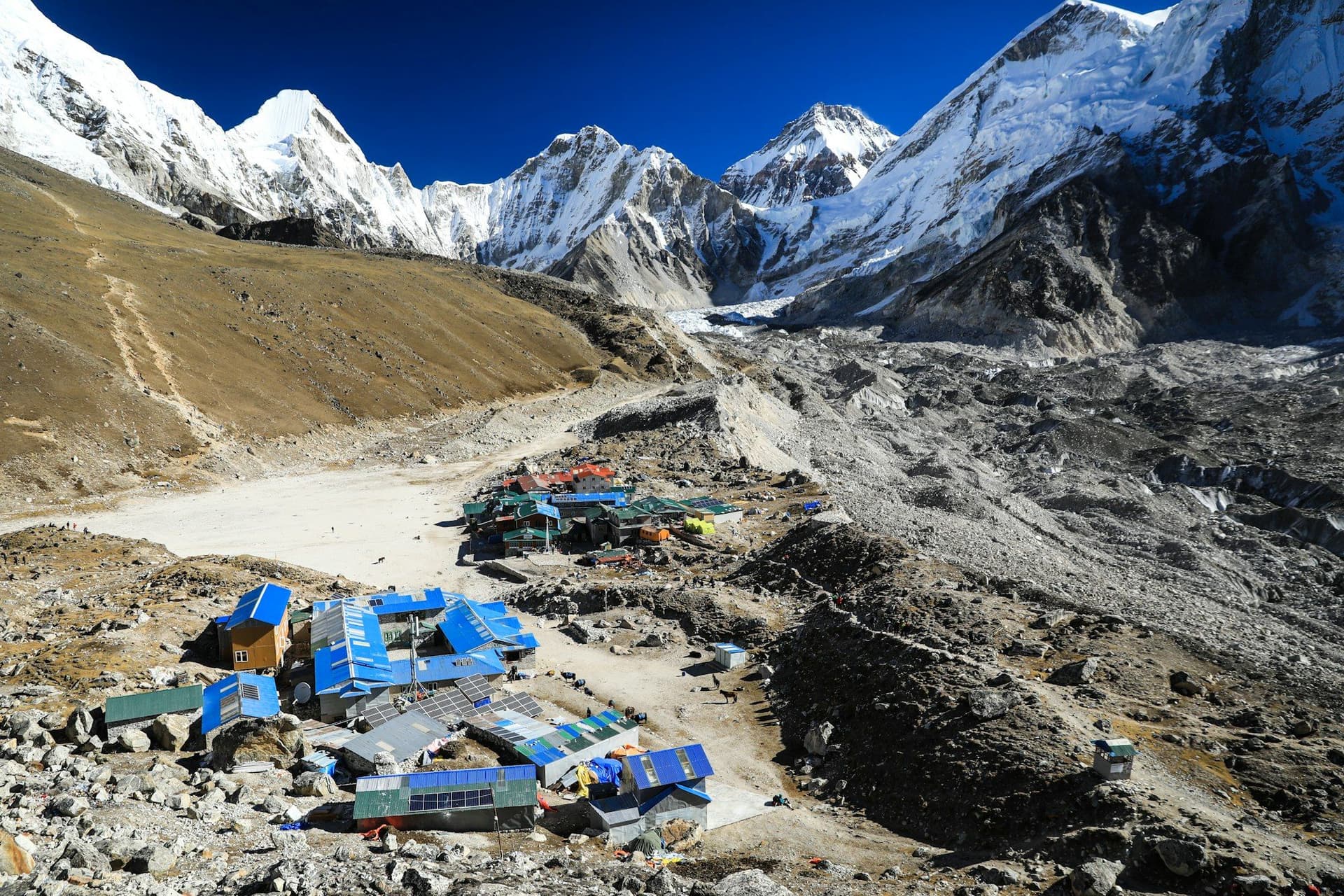
Leave a Kathmandu hotel at six in the morning and be standing at 5,545 metres before nine, with Everest, Nuptse and the Khumbu Icefall in front of you. Back in Kathmandu for lunch.
It is the most expensive thing on Trek Heaven per hour, and for a certain traveller — limited time, limited mobility, or simply no interest in walking for a fortnight — it is the only way this view happens.
The flight
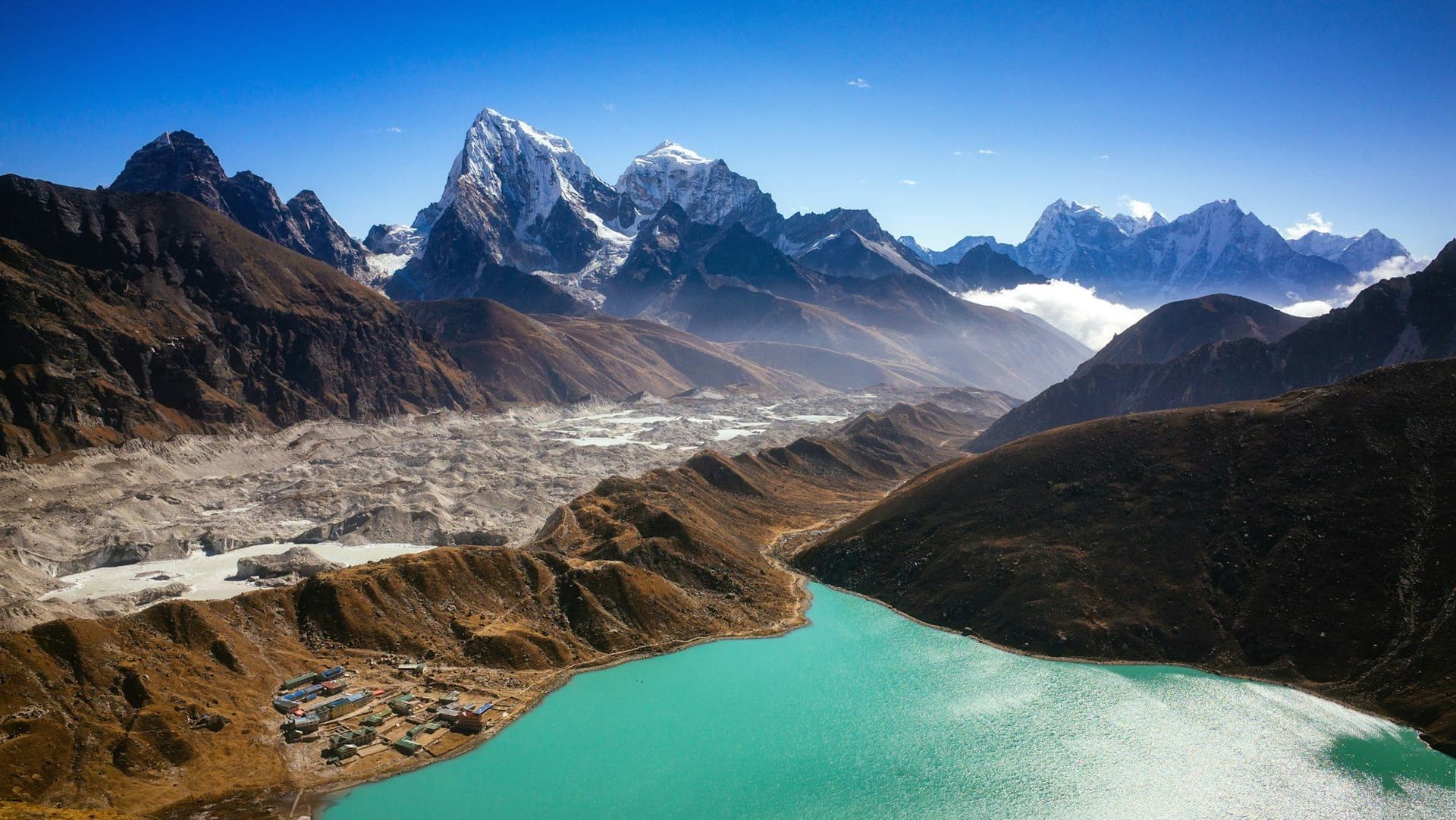
Kathmandu east over the foothills, up the Dudh Kosi, and into the Khumbu with a refuelling stop at Lukla or Surke. The valley opens past Namche and the aircraft climbs alongside Ama Dablam.
The landing is at Kala Patthar, the black rocky spur above Gorak Shep, which is where trekkers walk for the same view. Ten to fifteen minutes on the ground, then down to Everest View Hotel at Syangboche, 3,880 m, for breakfast facing Ama Dablam.
What it is not
It does not land at Base Camp — nobody does; it is not an authorised landing site, and in any case Base Camp cannot see the summit of Everest. Kala Patthar is both the legal landing and the better view.
The altitude, taken seriously
You will go from 1,400 m to 5,545 m in about an hour with no acclimatisation. Oxygen is on board and the ground time is capped for exactly that reason. Headache and breathlessness are common. Anyone with a heart or lung condition, or who is pregnant, needs medical advice before booking — a short exposure is not automatically a safe one.
Move slowly up there. The instinct to jog to a photo spot is the thing that puts people on the floor.
Weight and shuttles
Lift is marginal at that altitude, so the Kala Patthar leg is flown in shuttles of two or three. Everyone is weighed at check-in. If the aircraft is heavy for the day's conditions, part of the group waits at Pheriche — this is normal and it is not something to argue with the pilot about.
Practicalities
Book a morning early in your trip. Cancellations for weather are routine and rebooking is free, but only if you have a spare day.
Bring a warm jacket, gloves and sunglasses. It will be around −10°C on the ground at Kala Patthar and you will have dressed for Kathmandu.
Best season
October to December and March to May. Winter mornings are the clearest of the year; spring brings more haze but longer flying windows. The monsoon is close to unflyable.
Highlights
- Standing at 5,545 m an hour after leaving Kathmandu
- Everest, Nuptse and the Khumbu Icefall from Kala Patthar
- Breakfast at 3,880 m facing Ama Dablam
- The Khumbu valley from the air, end to end
Map
Where this tour goes
Price
What $1,100–$4,500 covers
Lower figure is a per-seat sharing rate; upper is a private charter for up to five
Included
- Helicopter charter and pilot
- Landing at Kala Patthar, weather and weight permitting
- Breakfast at Everest View Hotel, Syangboche
- Both park permits
- Hotel transfers in Kathmandu
- Supplementary oxygen on board
Not included
- Rescheduling costs if you decline a rebooked day
- Travel insurance covering helicopter travel and altitude
Frequently asked questions
Do you actually land at Base Camp?
How long are you on the ground at altitude?
Is it dangerous at that altitude with no acclimatisation?
Why is there a weight limit?
How often does it cancel?
Is it worth it against the trek?
About the author
Tom Eriksen
Gear editor & photographer
Tom tests trekking equipment the only way that produces honest answers: by carrying it for weeks at a time above 4,000 metres. He shoots most of the photography on this site and writes the gear reviews, comparison tables and packing lists.
Writes about: Trekking gear · Photography · Packing and weight