Overview
The Kathmandu Valley holds seven UNESCO World Heritage monument zones inside an area you can cross in forty minutes without traffic — and two hours with it. Three of them are the royal squares of the valley's three medieval kingdoms, which spent several centuries competing to out-build one another. The results are still standing.
This is a three-day tour because the squares reward slow walking, and because the light matters: Swayambhunath in the late afternoon, Boudhanath at dusk when the kora fills, Bhaktapur early before the coaches.
The three squares
Kathmandu Durbar Square took the worst of the 2015 earthquake and parts are still scaffolded. The Kumari Ghar, home of the living goddess, is intact.
Patan Durbar Square is the most concentrated — a single row of stone temples facing the old palace, with the finest museum in Nepal inside it.
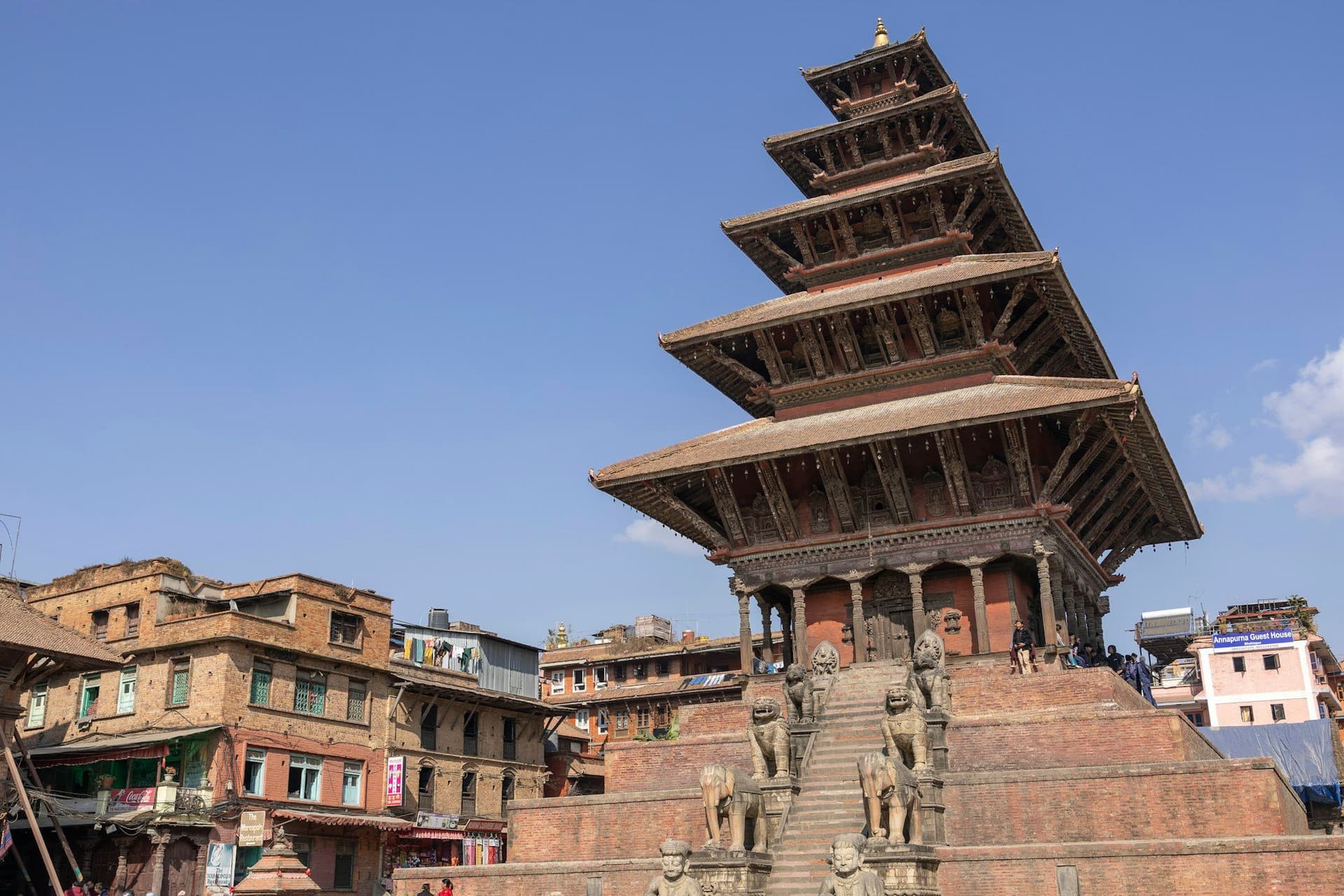
Bhaktapur is the one people remember. It is a whole medieval town rather than a square, largely free of traffic, and the restoration after 2015 was done well.
The religious sites
Swayambhunath sits on a hill west of the city with the valley laid out below it. Boudhanath is the largest stupa in Nepal and the centre of Tibetan Kathmandu; walking the kora at dusk among a few thousand others is the single most atmospheric hour in the valley.
Pashupatinath, on the Bagmati, is one of the most important Shiva temples in the Hindu world and an active cremation ground.
Changu Narayan, on a ridge above Bhaktapur, is the oldest standing temple in the valley — fifth-century stonework, and almost nobody there.
Practicalities
Entry fees total roughly USD 40. Traffic is the real constraint: budget an hour between zones in the middle of the day, less early.
Dress modestly at Pashupatinath and Boudhanath — covered shoulders and knees — and remove shoes where signs ask.
Highlights
- Bhaktapur Durbar Square, the least-rebuilt of the three
- Boudhanath, the largest stupa in Nepal
- Evening aarati at Pashupatinath
- Patan's Golden Temple and the Patan Museum
- Changu Narayan, the valley's oldest standing temple
Day by day
The full 3 days
Where you are, what you do, how you travel and where you sleep — each day a structured record rather than a paragraph.
- Day 1
Kathmandu Durbar Square and Swayambhunath
Kathmandu
- Hanuman Dhoka palace complex and the Kumari Ghar
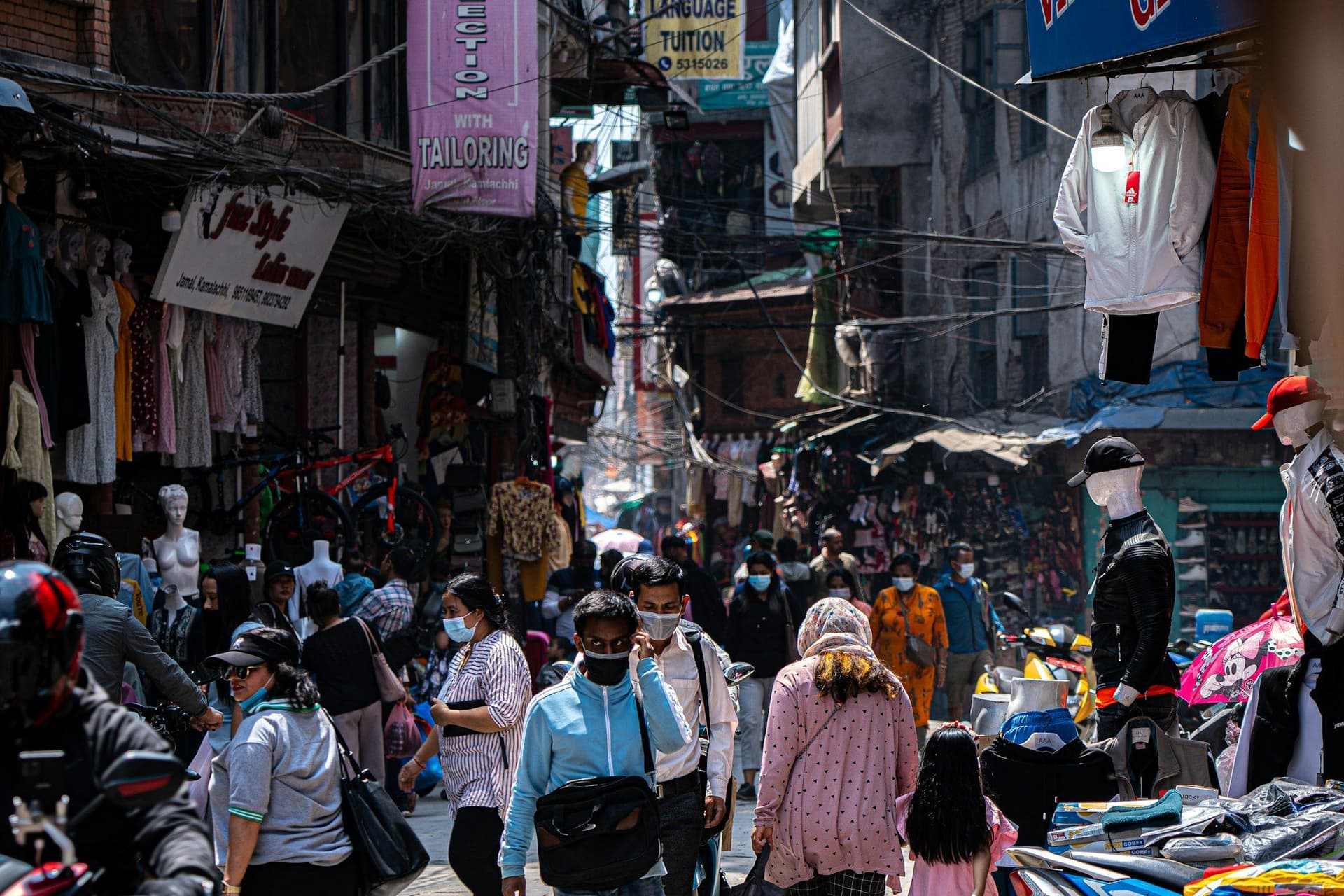
- Walk through Ason and Indra Chowk markets
- Swayambhunath at late afternoon light
- Transport
- Vehicle to Swayambhunath; the rest on foot
- Sleep
- Hotel, Kathmandu
- Meals
- Breakfast
- Time
- 6 hours
The Durbar Square is still under earthquake restoration in places. What is rebuilt has been done with the original timber where it survived.
- Day 2
Patan and Boudhanath
Patan and Boudhanath
- Patan Durbar Square and the Patan Museum
- Hiranya Varna Mahavihar, the Golden Temple
- Boudhanath stupa and its kora at dusk
- Transport
- Vehicle between Patan and Boudhanath
- Sleep
- Hotel, Kathmandu
- Meals
- Breakfast
- Time
- 7 hours
The Patan Museum is the best-curated museum in Nepal and worth an hour on its own.
- Day 3
Bhaktapur, Changu Narayan and Pashupatinath
Bhaktapur
- Bhaktapur Durbar Square, Taumadhi and Dattatreya squares
- Pottery Square and the Nyatapola temple
- Changu Narayan, fifth century, on the ridge above
- Evening aarati at Pashupatinath
- Transport
- Vehicle; Bhaktapur is walked end to end
- Meals
- Breakfast
- Time
- 8 hours
Map
Where this tour goes
Price
What $180–$420 covers
Lower figure is a guided day rate with your own accommodation; upper includes three nights and all entry fees
Included
- Licensed English-speaking heritage guide
- All monument entry fees
- Private vehicle and driver between sites
- Bottled water
Not included
- Accommodation at the lower price point
- Lunches and dinners
- Nepal entry visa
- Tips
Frequently asked questions
How much are the entry fees in total?
Can this be done in one day?
Is Pashupatinath appropriate to visit?
About the author
Maya Thapa
Senior trekking writer
Maya has walked more than 4,000 kilometres of Nepal's trail network, from the teahouse highways of the Khumbu to the restricted valleys along the Tibetan border. She writes the route guides and day-by-day itineraries, and returns to most trails every second season to re-check lodge availability, water points and trail reroutes after monsoon damage.
Writes about: Nepal trekking · High-altitude routes · Teahouse logistics