Overview
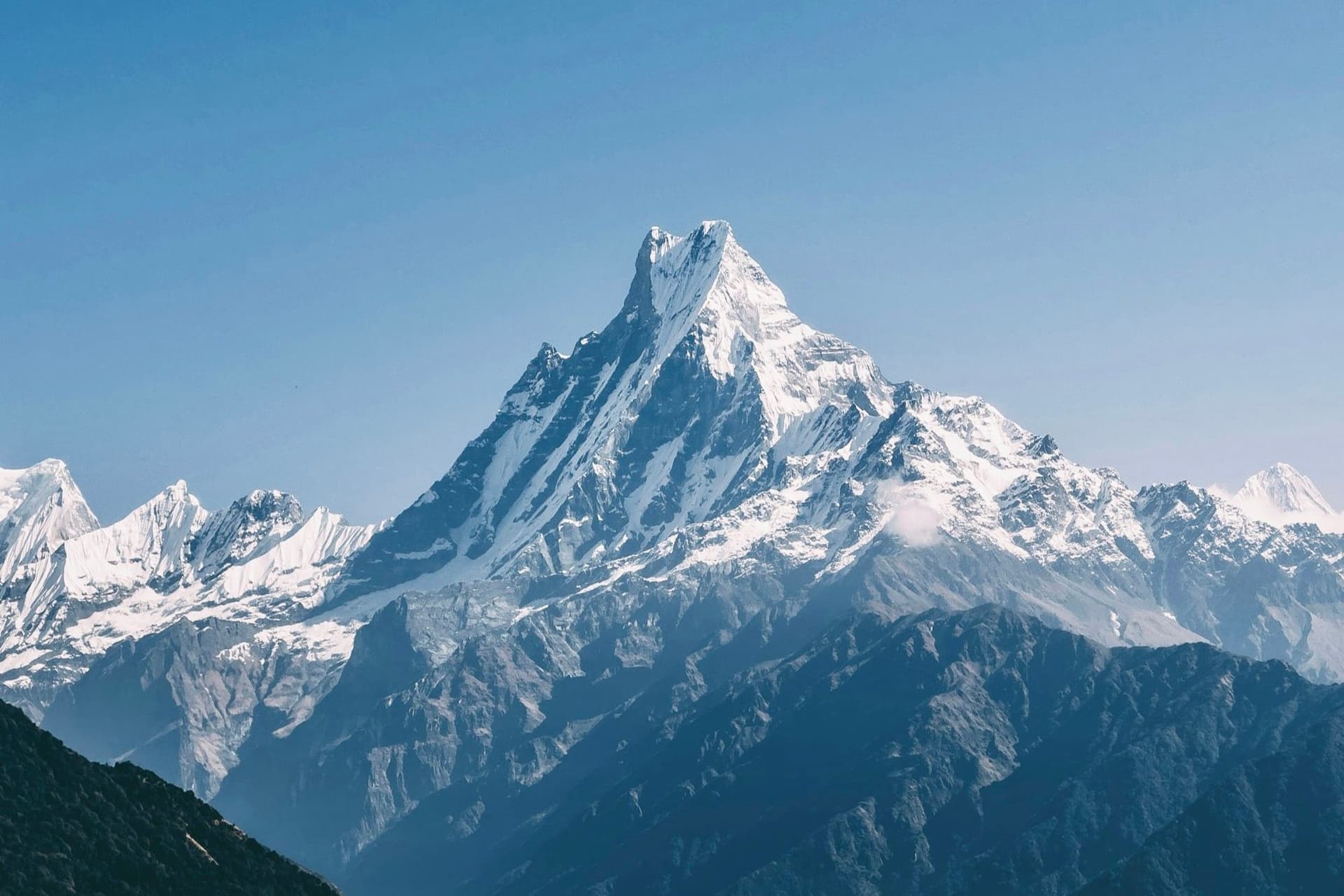
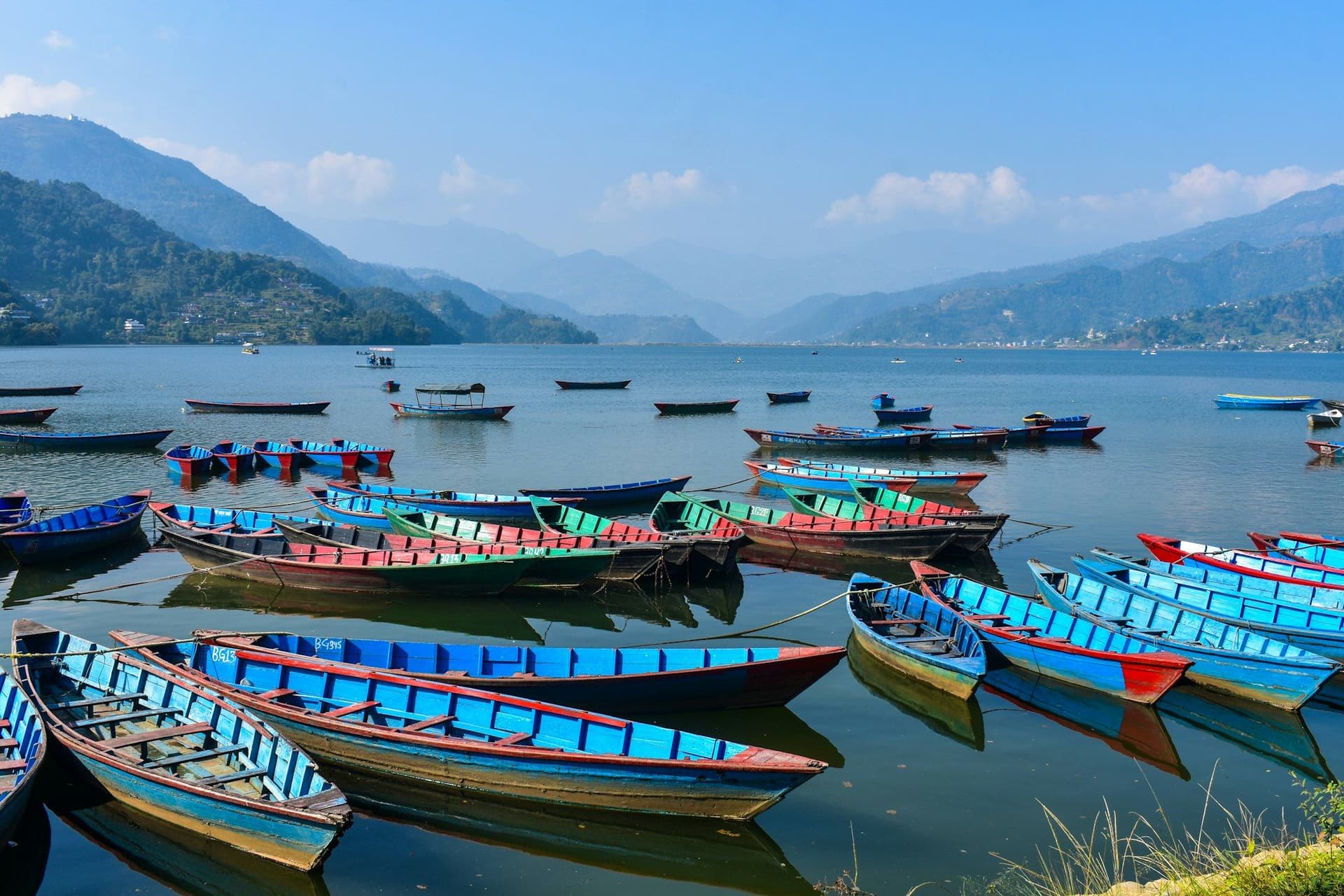
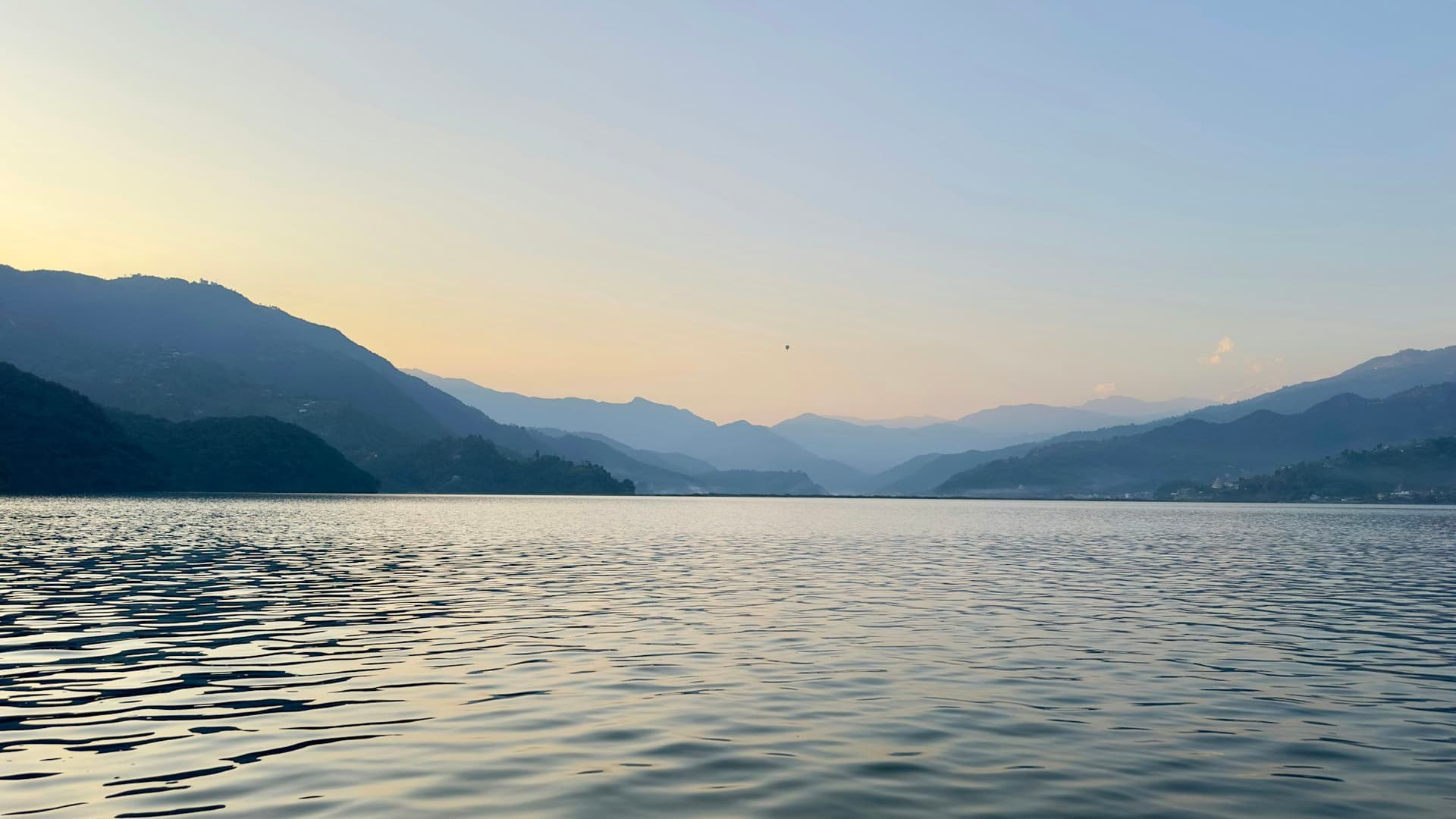
Pokhara sits at 822 metres on a lake, with the Annapurna massif twenty-five kilometres north and 7,000 metres higher. On a clear winter morning you can see Machhapuchhre from a yoga mat, which is the reason the town has become the centre of Nepal's retreat industry.
This is a seven-day residential week on a hillside above Phewa Lake: two yoga sessions a day, a meditation session, an Ayurvedic consultation with four treatments, and vegetarian food, most of it grown on site.
The schedule
Mornings start at 06:30 with pranayama and a hatha practice, before the heat and while the mountains are clearest. Afternoons are free. Evenings are yin and restorative, then meditation.
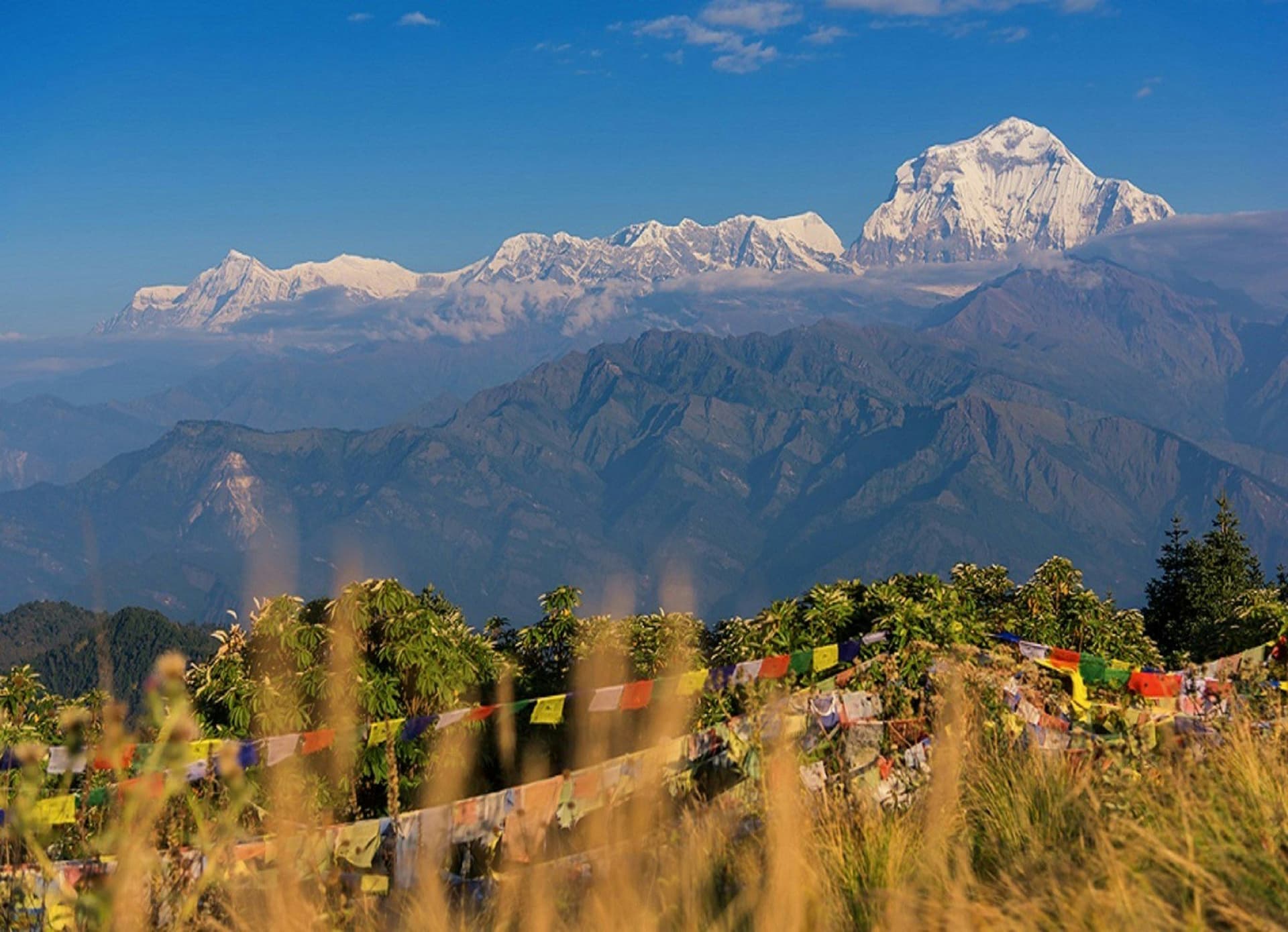
One morning is given to Sarangkot for the sunrise — a pre-dawn drive to the ridge above the lake, where the Annapurnas light up from Dhaulagiri round to Manaslu.
The Ayurveda
A consultation on arrival with a qualified physician: dosha assessment, and a conversation about sleep, digestion and stress. Four treatments follow over the week — abhyanga, the warm-oil full-body treatment, and shirodhara, in which oil is poured in a continuous stream across the forehead, among them.
You leave with a written daily routine. This is complementary practice and is described as such; it does not replace medical care.
Who it suits
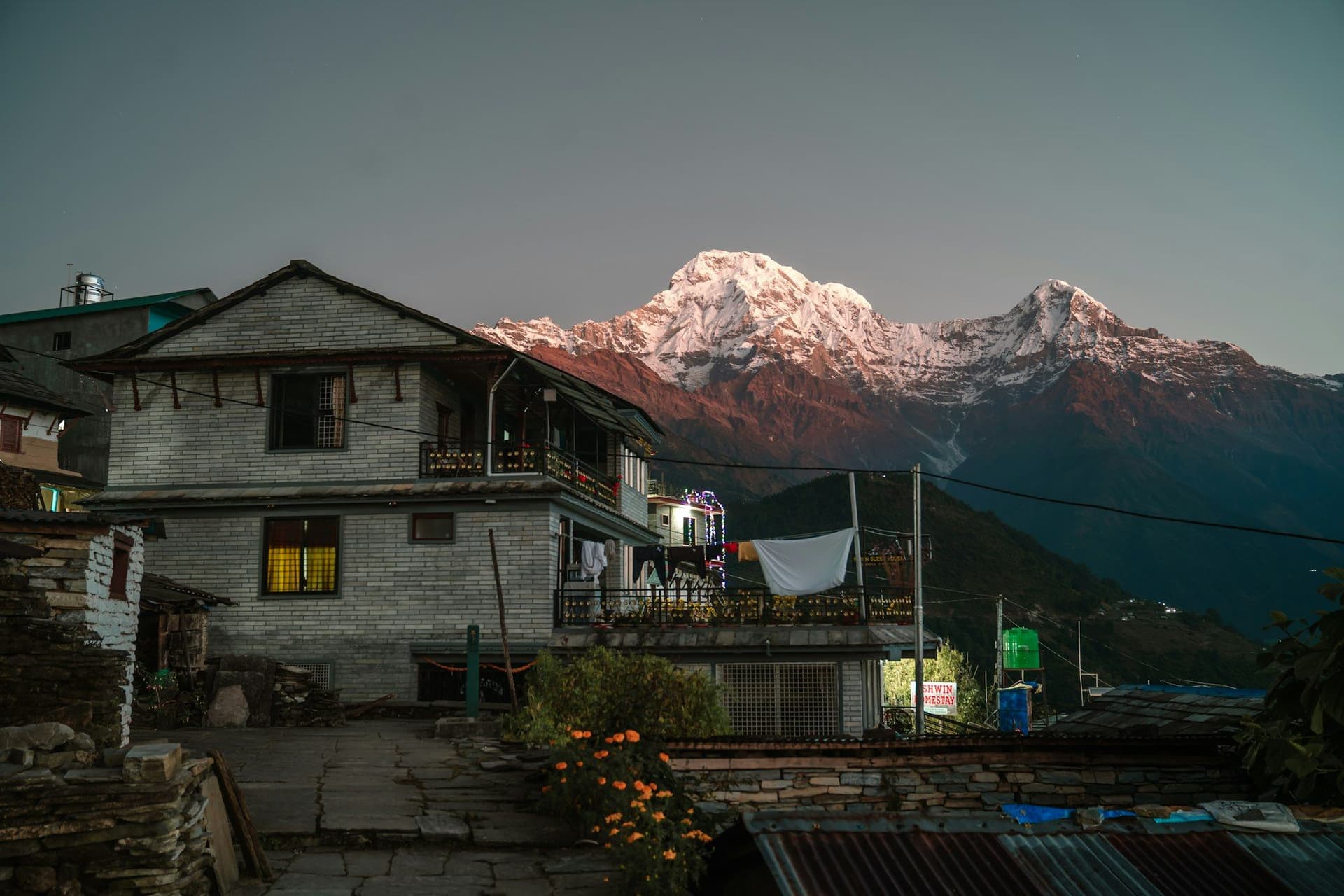
People who want a structured week rather than a spa. The schedule is full, the rooms are simple, and the day starts early.
It pairs unusually well with trekking — either as preparation, or as the best possible thing to do with a body that has just walked the Annapurna Circuit.
Best season
October to April. Autumn and winter give the clearest mountain views of the year; spring is warm and green. From late May the monsoon closes the skyline for three months, though the retreat itself runs year-round.
Highlights
- Annapurna and Machhapuchhre from the yoga shala
- Dosha consultation with an Ayurvedic physician
- Abhyanga and shirodhara treatments
- Sarangkot at sunrise
- Food grown on the property
Day by day
The full 7 days
Where you are, what you do, how you travel and where you sleep — each day a structured record rather than a paragraph.
- Day 1
Arrival and consultation
Pokhara
- Transfer from Pokhara and settle in
- Ayurvedic consultation and dosha assessment
- Evening restorative session
- Sleep
- Retreat centre
- Meals
- Dinner
- Time
- Afternoon
- Day 2
Full schedule begins
Pokhara
- 06:30 pranayama and hatha practice
- Ayurvedic treatment
- 17:00 yin and restorative practice
- Evening meditation
- Sleep
- Retreat centre
- Meals
- Breakfast, lunch, dinner
- Time
- Full day
- Day 3
Practice and treatment
Pokhara
- Morning and evening practice
- Abhyanga full-body oil treatment
- Afternoon free
- Sleep
- Retreat centre
- Meals
- Breakfast, lunch, dinner
- Day 4
Sarangkot sunrise
Sarangkot
- Pre-dawn drive to Sarangkot for the Annapurna sunrise
- Morning practice on return
- Shirodhara treatment
- Transport
- Vehicle, 45 minutes each way
- Sleep
- Retreat centre
- Meals
- Breakfast, lunch, dinner
- Time
- 4 hours for the excursion
- Day 5
Practice and rest
Pokhara
- Morning and evening practice
- Fourth Ayurvedic treatment
- Walk to the World Peace Pagoda, optional
- Sleep
- Retreat centre
- Meals
- Breakfast, lunch, dinner
- Day 6
Longer practice and silence
Pokhara
- Extended morning practice
- Half-day silence until the evening meal
- Closing meditation
- Sleep
- Retreat centre
- Meals
- Breakfast, lunch, dinner
- Day 7
Closing session and departure
Pokhara
- Final practice
- Take-home routine from the Ayurvedic physician
- Transport
- Transfer to Pokhara airport or lakeside
- Meals
- Breakfast
Map
Where this tour goes
Price
What $650–$1,400 covers
Six nights full board with all sessions; the range is shared room to private cottage
Included
- Two daily yoga sessions and one meditation session
- Ayurvedic consultation and a course of four treatments
- Six nights' accommodation
- Three vegetarian meals a day
- Sarangkot sunrise excursion
- Airport transfers in Pokhara
Not included
- Additional treatments beyond the four included
- Paragliding or boating, arranged on request
- Travel insurance
Frequently asked questions
Do you need yoga experience?
What does the Ayurvedic part actually involve?
Is the food really all vegetarian?
Can you combine this with trekking?
About the author
Maya Thapa
Senior trekking writer
Maya has walked more than 4,000 kilometres of Nepal's trail network, from the teahouse highways of the Khumbu to the restricted valleys along the Tibetan border. She writes the route guides and day-by-day itineraries, and returns to most trails every second season to re-check lodge availability, water points and trail reroutes after monsoon damage.
Writes about: Nepal trekking · High-altitude routes · Teahouse logistics